
Commercial Roof Membrane Puncture Repair in Columbia, MO
Membrane punctures can remain hard to locate when water moves beneath the surface before appearing indoors. We locate the opening, mark its size and position, inspect adjacent membrane, and identify any moisture evidence beneath it. Boonville’s commercial access area and Columbia’s 763 Industrial Park represent different operating contexts, but a place name does not reveal the membrane type or how a puncture occurred. The field report should identify the building, roof zone, access route, and visible condition without assigning a cause that the evidence cannot support. We check whether the opening reaches insulation or deck and whether another seam, curb, or prior patch intersects the same area. A defined repair can then be compared with the actual assembly instead of treating every surface cut as the same problem.
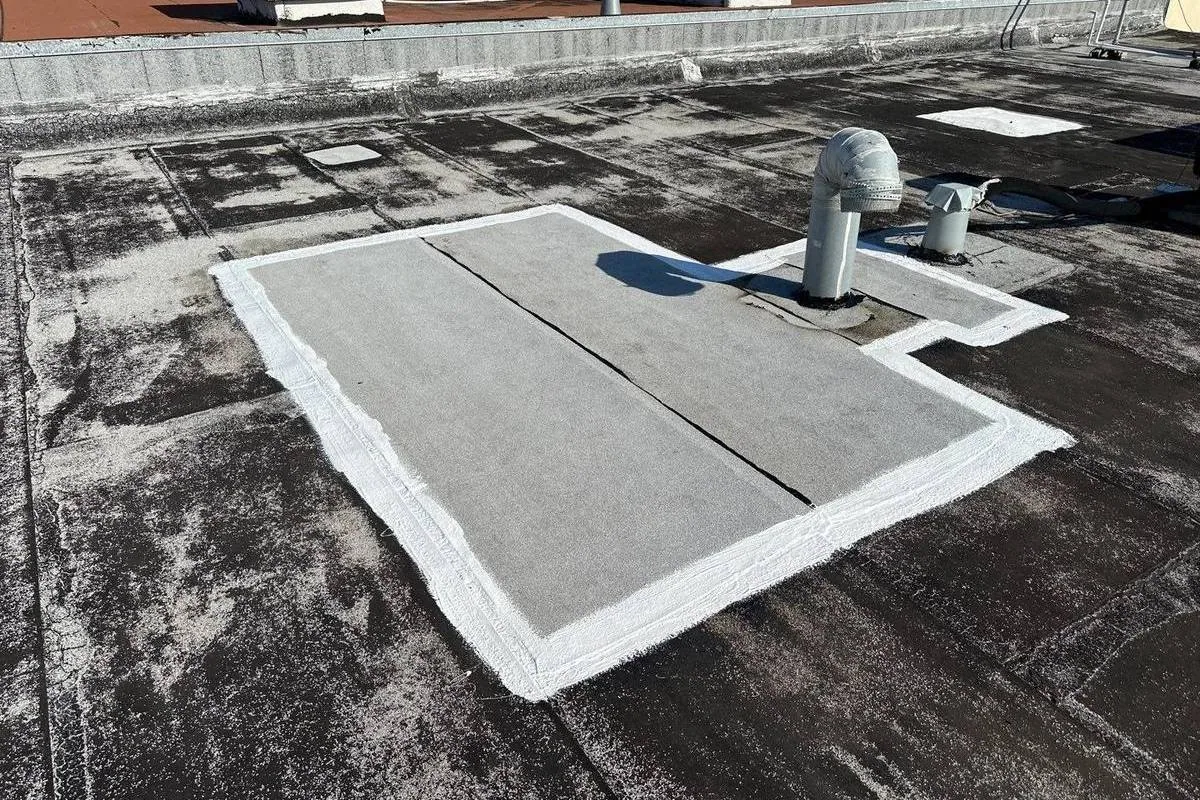
How can traffic damage be distinguished from other openings?
Boonville’s 763 Industrial Park sits on the east side of Highway 763, a distinct industrial context from the city’s Route B and Americana Drive commercial area. Boonville and 763 Industrial Park illustrate different local operating contexts, not roof damage at a particular address. The property contact confirms current access and service routes before repair work is scheduled.
Related Roofing Work
More commercial roofing work connected to Commercial Roof Membrane Puncture Repair in Columbia, MO.
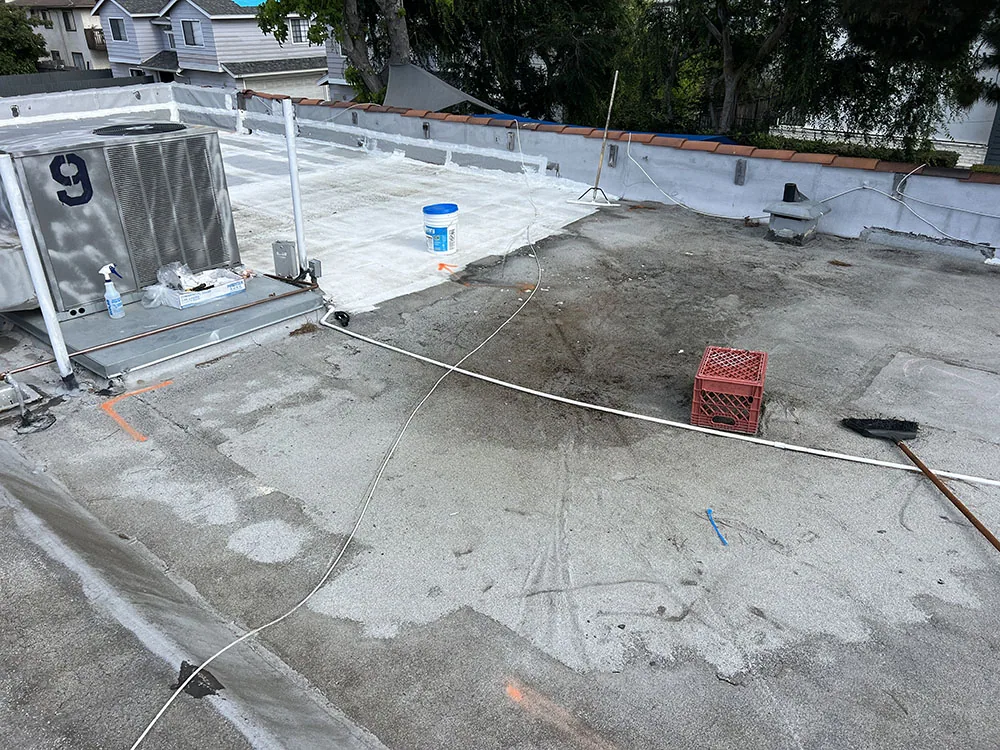
How far could water have reached below the cut?
Water may spread through insulation or along a deck before showing inside, so the surface opening and interior stain should be recorded as separate observations. We inspect the area around the puncture for soft material, displaced membrane, moisture, and nearby drains or seams that could affect the path. If a survey or selective opening could change the repair boundary, the report identifies the location and question. Infrared review can help map a suspected wet area when conditions support its use. The District downtown contains many different property uses, which makes an exact building and roof-zone label useful when a repair record passes to another manager. The District in Columbia is local context, not a substitute for the inspection. We distinguish confirmed wet insulation from a surface condition that needs additional testing. A separate moisture survey may be useful only if the result changes the amount of membrane or insulation included. The location should be identified against a roof plan, nearby curb, or fixed equipment tag, and any readings should be interpreted with the assembly and weather conditions in view. East Columbia / East Area Plan identifies broad industrial, commercial, and office uses within eastern Boone County. East Columbia / East Area Plan is part of the local business setting, not evidence about the roof at a different facility. We label each puncture report with the inspected address so the diagnosis remains tied to the right building.
Inspect for wet insulation, staining below the deck, and water tracking toward a seam, curb, or low point. The visible puncture may be small while moisture has moved laterally within the assembly, so set the inspection limit according to the evidence rather than the size of the opening. If a test opening is needed, mark its location and explain what it will confirm before removal begins. Columbia's wet spring can complicate the timing of an opening; plan temporary protection and a secure close-in point if work is interrupted by rain.
What should the puncture repair include?
Repair materials must match the membrane and bond to a properly prepared surface. We remove contamination or loose material, extend the patch onto suitable membrane, and address the cut edge and any detail that crosses the repair area. If the substrate is wet or the existing system cannot be identified, we document that limit before selecting a method. A seam repair may be needed if the opening reaches a lap; flashing repair applies where a curb or transition is involved. A puncture patch should not be used to cover unrelated moisture or a failed drain detail. Columbia's adopted commercial plan-review provisions apply according to the scope and project documents when a repair becomes a larger alteration. The proposal states preparation, tie-in, photographs, and any condition excluded from the work.
Once the opening is found, check whether the puncture reaches only the membrane or has affected cover board, insulation, or the deck. Mark the boundary before cutting and document each layer removed. If the visible hole has widened beneath the surface or water has traveled laterally, the repair quantity should follow the confirmed wet or damaged material.
What should be recorded after the repair?
Photograph the opening before work, the prepared surface, the finished patch, and its relation to nearby equipment or traffic paths. Add the date, roof zone, material where confirmed, and a note about moisture testing or limits. If a walkway or service route contributed to repeated wear, the owner can decide whether a protective path is appropriate after the repair, without confusing that measure with the membrane fix itself. Maintenance visits can revisit the repaired area and nearby penetrations. Wind-related findings or hail findings should remain separate unless inspection establishes a connection. A return check after rain can compare the same area and record whether the interior report changed. The closeout should state what was repaired and what remains outside the boundary. If the surface has repeated cuts near a service route, include the route location in the closeout map and clarify whether it was part of the authorized repair. A later maintenance visit can compare that area and note any new marks before they become a larger opening. If equipment technicians share the roof, the facility contact should confirm access and work timing; we record any restrictions that affect where materials can be placed. These details help distinguish a new puncture from the previous repair and keep the scope file useful for the next visit.
A compatible patch needs sound membrane around its perimeter, clean preparation, and a tie-in suited to the installed system. The closeout should show the patch from a distance and close range, with a roof-zone reference. Note any traffic source or protection change discussed with the owner, while keeping cause separate from the physical repair evidence.
Photograph the puncture before preparation, the cleaned and dry surface, the installed patch, and a wider view of its roof zone. Record the membrane type when confirmed, the repair material, and the size or boundary of the treated area. Note any insulation or cover board that was opened, removed, or left untested. If a cart, tool, rooftop service, or other activity may have caused the opening, document that only when the owner can confirm it. A later inspection should look at the patch edge and the surrounding field after weather exposure. This creates a usable comparison if another report appears nearby.
Commercial Roofing Questions
How can a small membrane opening affect the interior below?
It can allow water into the assembly, but the path and extent depend on the roof layers and adjacent details. We inspect the opening and note what testing is needed to establish moisture below it.
Can you tell whether foot traffic caused the damage?
The location and wear pattern may provide context, but they do not always establish cause. We document visible evidence and avoid assigning responsibility where the inspection cannot support it.
Should the owner add a walkway after a repair?
A protective route may reduce recurring surface wear where regular access is required. The path should be selected for the roof system and kept separate from the repair scope unless included in the approved work.
What if the membrane type is unknown?
We review available records and inspect the roof details before choosing repair materials. If the system cannot be confirmed, that uncertainty stays in the record until further testing or documentation resolves it.