
Commercial Roof Capital Planning in Columbia, MO
A capital request is difficult to defend when it names a roof but cannot show the condition, repair history, or scope that drove the number. We inspect accessible areas, map observed defects, and separate immediate water-control work from larger choices such as restoration or replacement. Columbia's spring storms can bring heavy rain, hail, and tornadoes, while freeze-thaw winters and summer heat test different roof details. Those seasonal patterns help set review timing, but they do not establish a building's remaining service life. A property near the I-70 Business Loop has no condition in common with another building merely because both sit in the same corridor. LeMone Industrial Park is a separate business and light-industrial setting identified in city planning discussions. For either property, the capital record starts with the roof itself: assembly evidence, moisture findings, edge and drain conditions, and the next check that could change the scope.
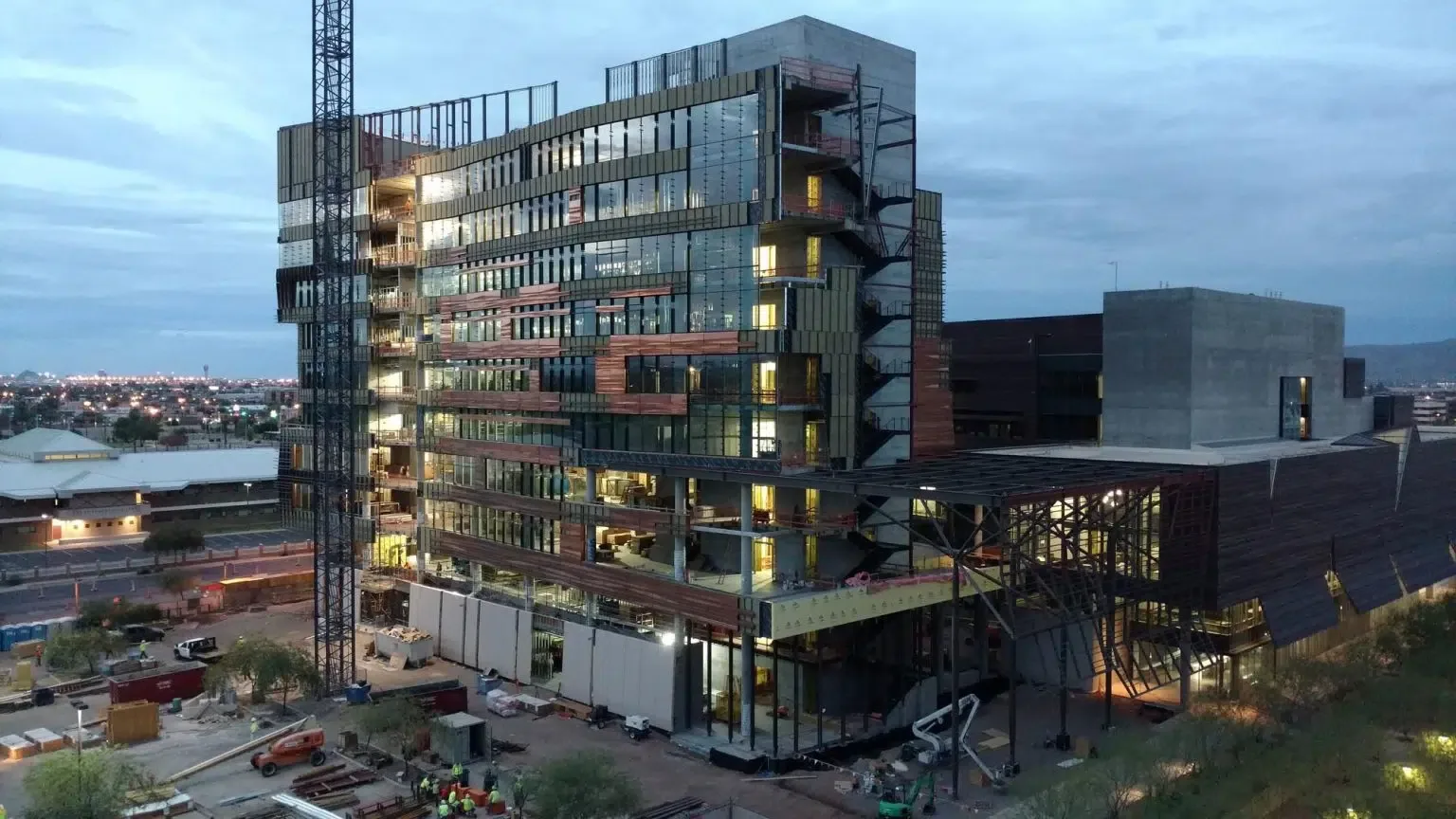
What evidence should support the budget request?
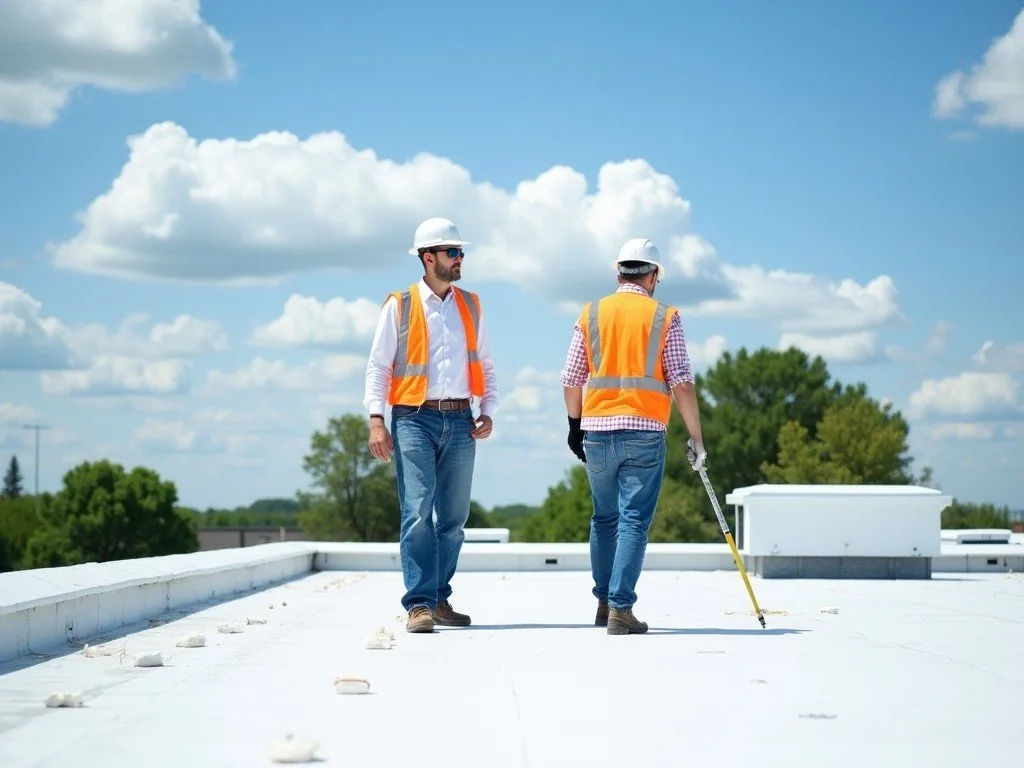
Start with a dated condition record, not a replacement year copied from an old spreadsheet. We document visible membrane wear, open seams, loose flashings, drainage concerns, penetrations, and any signs that water may have reached insulation or deck. Photos should identify the roof area and show enough context to find the detail again. When a condition cannot be confirmed without testing or opening the assembly, the estimate should say so. A written photo report can connect each finding to a repair boundary and recommendation. Infrared moisture review may help locate suspect areas when conditions suit the method, but its indication is not a substitute for verification. The owner should see which facts are confirmed, which assumptions remain, and what investigation could change the budget. Columbia's commercial plan review uses a 2024 building codes package that includes existing-building and energy provisions. That local review context can matter when a project changes an assembly, but a roof condition report does not itself determine the applicable permit path. Keep code review, design decisions, and observed roof conditions as separate parts of the project file.
Related Roofing Work
More commercial roofing work connected to Commercial Roof Capital Planning in Columbia, MO.
How should repair, restoration, and replacement compare?
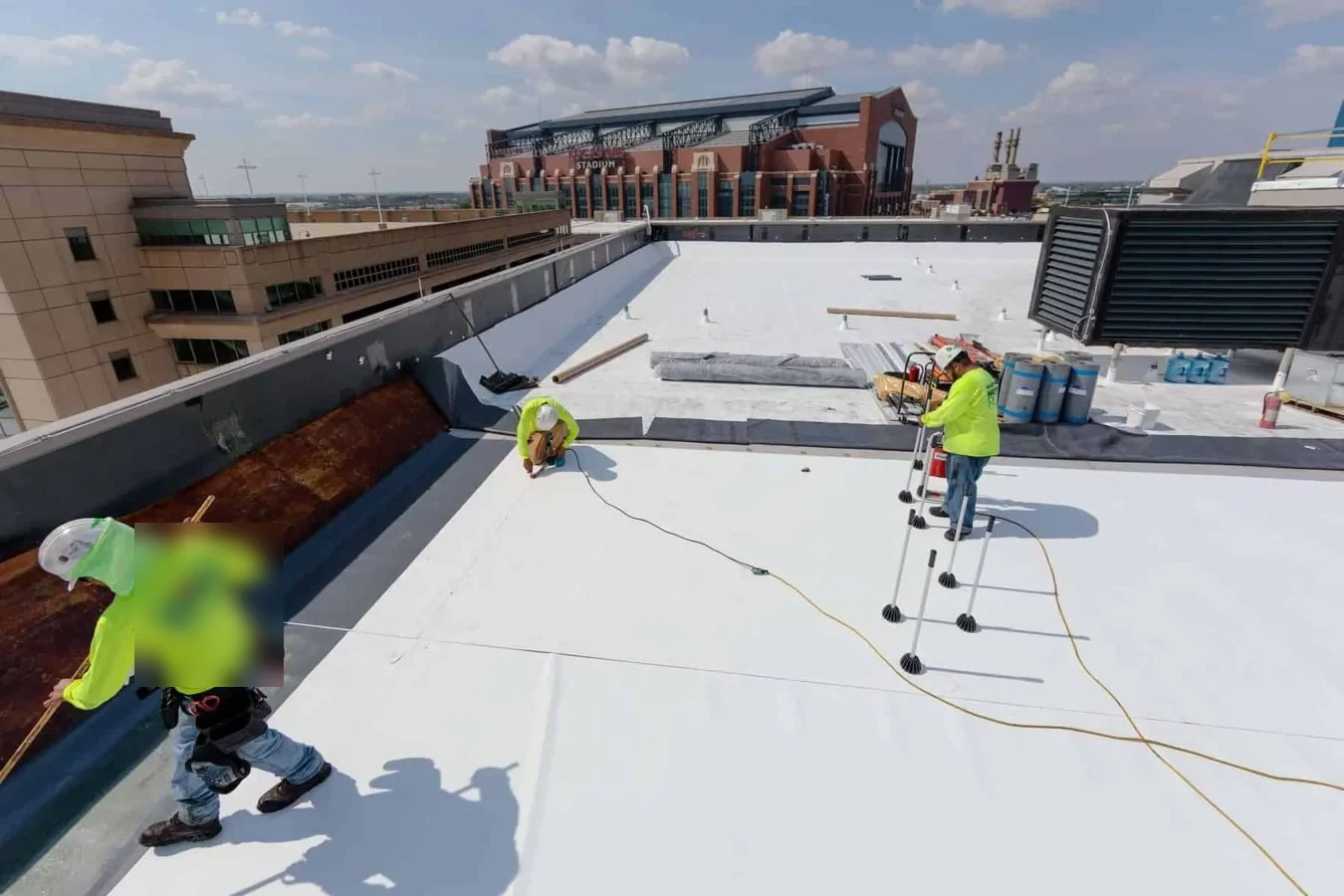
Compare options against the same field evidence. A localized repair may fit when a defined defect has a sound surrounding assembly. Restoration may be considered when the existing roof is suitable for the proposed system and details can be prepared correctly. Replacement becomes a stronger option when deterioration is widespread, wet materials extend beyond isolated areas, or repeated repairs no longer address the documented condition. We describe scope boundaries, preparation, tie-ins, drainage work, and the observations that could trigger a change. A focused repair scope and a restoration review should not be priced as if they solve the same problem. Columbia's wettest season is spring, and localized summer downpours can test outlets and low areas. That makes water control a near-term consideration, not a reason to skip comparison of the assembly. A drainage evaluation can clarify whether ponding reflects blockage, a low area, or a broader design issue. For a building in The District, where downtown properties sit among businesses, residences, nonprofits, and public uses, the work plan may also need an access and occupancy discussion. The property's own roof map and operating requirements determine the project sequence.
Which conditions move a project earlier?
Active water entry, recurring wet insulation, unstable edge metal, open penetrations, or a repair that cannot maintain a dry interior can change the order of work. We identify what needs prompt protection and what can remain on a planned capital track after the immediate issue is controlled. The timing note should include the observed condition, the consequence of delay, and the next inspection point. Avoid assigning a fixed replacement date from a roof's age alone. A known system, repair history, moisture evidence, and field performance make a better basis. Emergency response can address urgent conditions, while a later inspection can define permanent work. Asset tracking helps carry the dated record into future budget cycles. The University of Missouri is the city's largest employer, and its Facilities team oversees campus maintenance and project planning. That institutional scale illustrates why an owner may need a portfolio view, but it says nothing about the condition or replacement schedule of an individual roof. East Columbia’s eastern planning area employment area sits near the I-70 and U.S. 63 network. A nearby employer or a site plan is not roof-condition evidence. The capital request must point to the surveyed building and its actual assembly.
What should the capital file preserve?
Keep the inspection date, annotated roof plan, photographs, existing-system notes, moisture findings, repair invoices, proposed scope, exclusions, and any unresolved access limit together. If two options are compared, state what each includes and how much roof area or which details are covered. Identify whether insulation replacement, drainage changes, edge metal, curb work, or interior protection is included. A proposal with an unmarked boundary can look less costly while leaving a known condition outside the work. A shared portfolio register can maintain the building identifier, while a transaction survey serves a different question when ownership or financing is changing. The City identifies education, healthcare, technology, research, and manufacturing as important parts of Columbia's economy. An owner operating across those sectors may have unlike buildings and decision calendars, so the budget file should allow comparison without pretending every roof has equal risk. Record approvals and follow-up dates when work is complete. If the repair boundary changes in the field, retain the original estimate and the approved revision. The next reviewer can then see why spending moved, what was actually installed, and which portion remains to be watched.
How do we turn findings into a decision?
We can review prior reports, inspect accessible roof areas, identify conditions that affect timing, and prepare options tied to observed evidence. The recommendation should say which repair can be completed now, what investigation remains, and what longer-term scope merits a budget line. If a forecast depends on opening a roof area or confirming the assembly, state that dependency before the owner approves the allowance. This avoids giving a precise date where the field record supports only a range of next steps. Columbia averages recurring freeze and thaw days and receives seasonal snow; spring storm exposure and summer heat create additional review points. Revisit the budget after meaningful new evidence, such as an opened area, completed repair, or post-storm inspection. A decision record can then preserve the reason to advance, defer, or revisit the project. We will return the observed condition, the alternatives with distinct boundaries, and the recommended next check so facilities or ownership staff can move the request forward with a supportable basis.
Commercial Roofing Questions
Can a roof replacement be placed in a future budget year?
That decision depends on current condition and the consequence of delay. We document active water risks, repair limits, and unresolved moisture so the owner can distinguish a planned project from work that needs earlier protection.
Should the budget include a contingency for hidden damage?
A contingency can be considered when the existing assembly cannot be fully verified before work. We identify the concealed condition that could change the scope and describe how it would be confirmed and approved.
Can maintenance extend the time before replacement?
Maintenance can address serviceable details and improve the record, but it cannot reverse widespread material failure or wet insulation. We tie any deferral recommendation to inspected conditions and a follow-up date.
What makes two contractor options comparable?
Use the same roof areas and identify preparation, tear-off or overlay assumptions, insulation, drainage, edge details, disposal, and exclusions. We mark where the scopes differ so the price comparison reflects the work.