
Multi-Site Commercial Roof Programs in Columbia, MO
A portfolio inspection calendar can create consistency, but the roof decisions still depend on each building's assembly, history, access, and observed condition. We set a common record format for property identification, dated observations, photographs, repair boundaries, and follow-up dates, then keep each site's evidence separate. Columbia's building stock spans education, healthcare, manufacturing, research, and retail, while the I-70 Business Loop connects mixed commercial and institutional activity. The University of Missouri Campus includes varied facilities managed by a campus facilities team; The District has downtown properties with businesses, residences, and public uses. Those settings may lead to different access conversations, but they do not establish roof type or work hours. A useful multi-site program gives an owner one view of the portfolio and a traceable file for each property. That makes it easier to compare work without treating unlike roofs as identical.
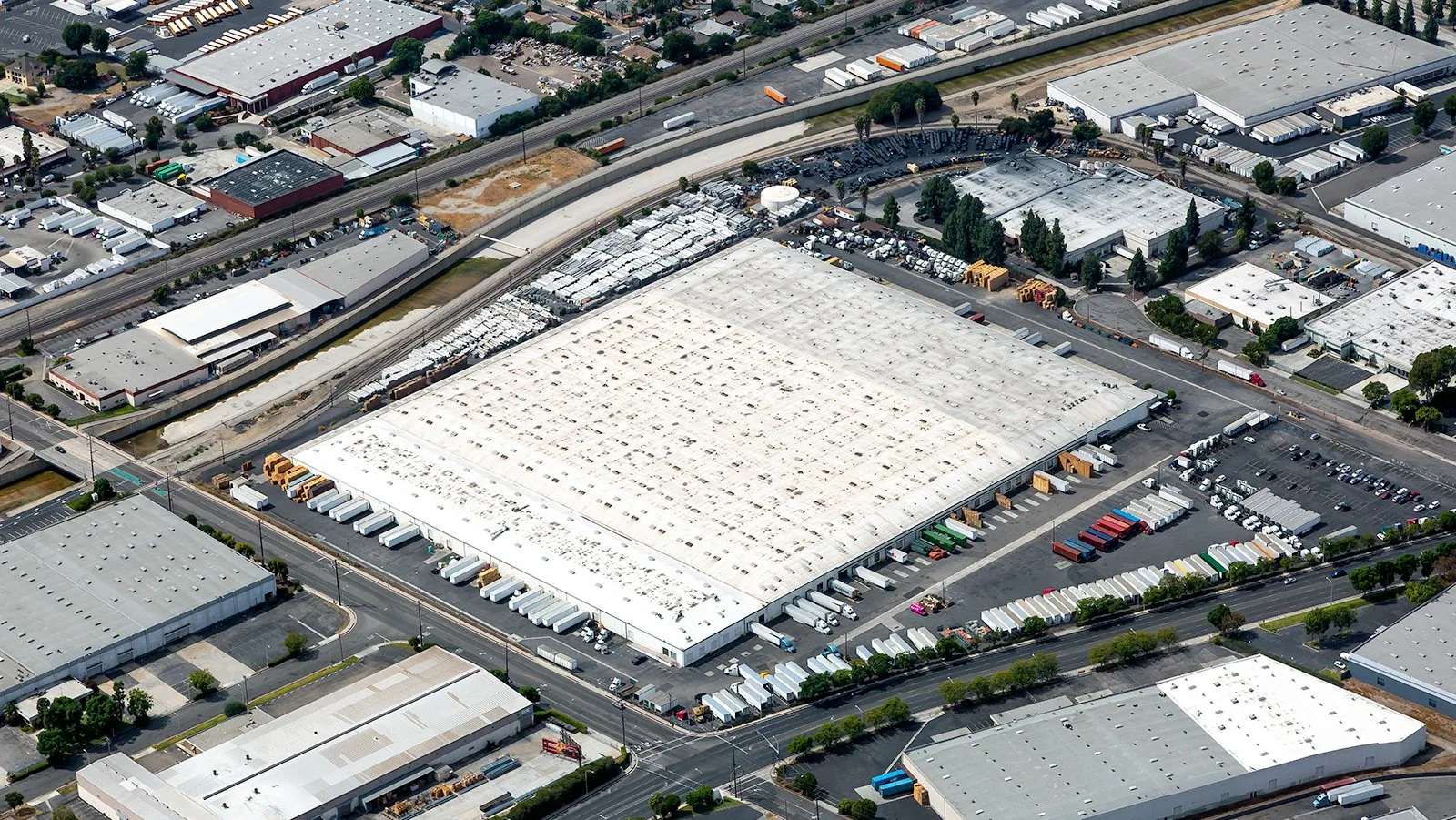
How should buildings enter the program?
Start with the owner's building names, street addresses, local contacts, known roof areas, and any available plans or closeout records. Confirm which records refer to the same property and which belong to a different campus, addition, or tenant space. Assign a unique roof identifier to each structure or area where the owner's maps support it. Do not infer separate roofs from employer size or an area development plan. Columbia’s University of Missouri campus includes research, residential, student, garage, and utility facilities, while LeMone Industrial Park includes office and light-industrial uses. That range makes a consistent naming system useful, but roof counts and assemblies must be confirmed property by property. A roof asset register can hold the identifiers and history, and condition reports can attach field evidence to each entry. When plans are missing, mark the map as an inspection reference. Keep unknown system details clearly labeled until the field review or records confirm them.
Related Roofing Work
More commercial roofing work connected to Multi-Site Commercial Roof Programs in Columbia, MO.
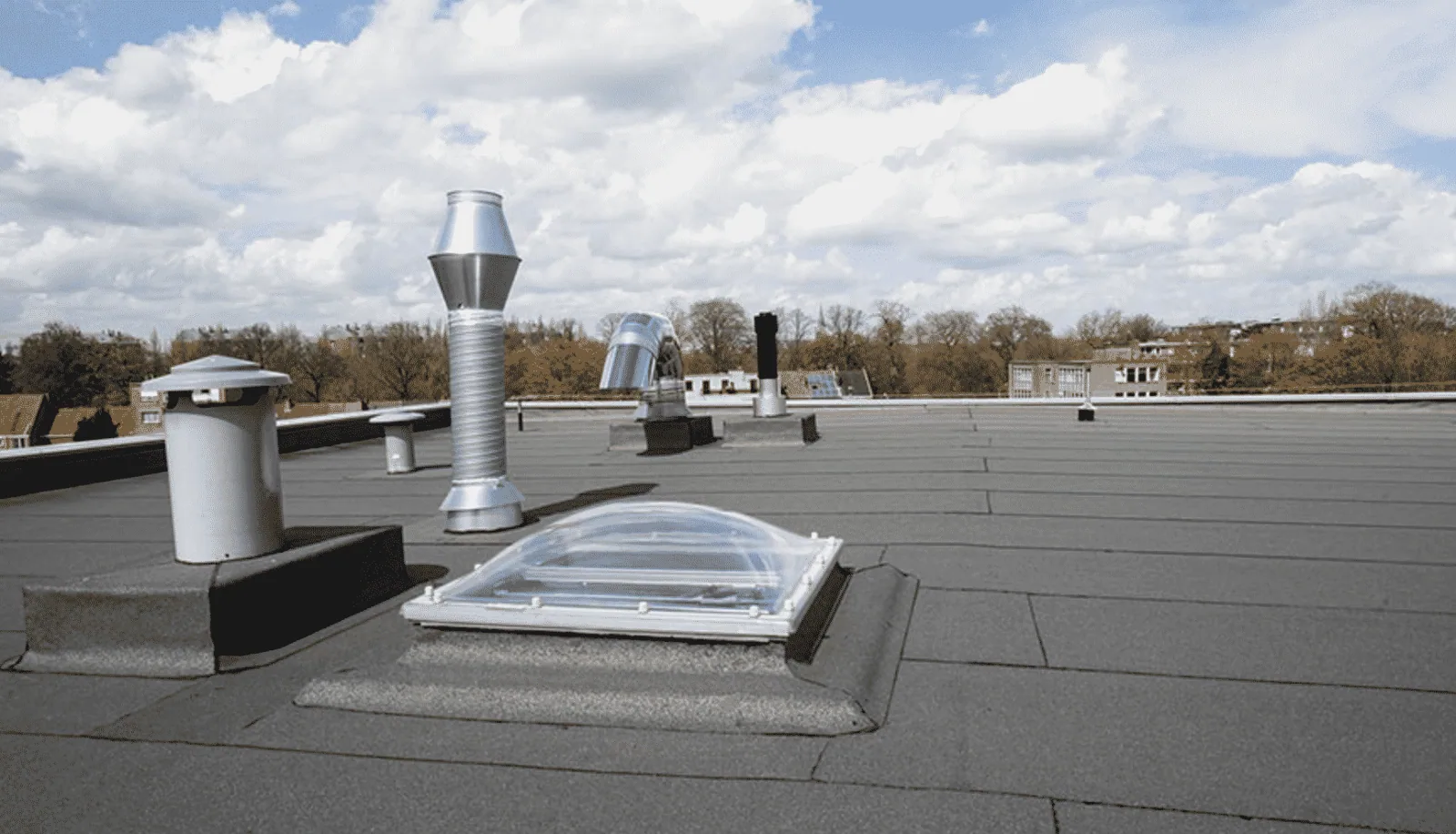
What should a recurring site visit cover?
Use a repeatable checklist while allowing the roof findings to dictate additional work. Check accessible drains, scuppers, edges, seams, penetrations, rooftop equipment interfaces, and any locations tied to prior leaks or repairs. Record debris and conditions that could affect drainage, along with access limitations and any area not viewed. After a visit, the report should distinguish maintenance completed from repairs proposed and from further investigation. Preventive maintenance can help preserve routine findings; a roof inspection can document a broader condition review. Columbia's spring is the wettest season and may bring large hail or tornado-producing storms. Summer heat and localized downpours, along with later-season damaging winds, create additional opportunities to compare observed details over time. We schedule follow-up according to the property record and findings, rather than assume one calendar interval fits every roof. If the portfolio includes properties around East Columbia / East Area Plan and the I-70 Business Loop, keep their addresses, contacts, and scopes distinct even when the same owner oversees both.
How do we rank work without oversimplifying?
Use a priority board that identifies the building, roof zone, observed condition, consequence of delay, proposed action, and next decision date. Immediate water-control work belongs in a different category from an investigation that has not confirmed concealed moisture or a replacement option under review. A score can help organize discussion, but it should not conceal an assumption or imply engineering precision that the file does not support. Capital planning can compare repair, restoration, and replacement scopes using the same evidence fields. If a site has a suspected wet area, an infrared review may help select test locations when suitable, while a drainage assessment records outlet and low-area conditions. Columbia's adopted commercial code package includes existing-building and energy provisions, which can be relevant to a future project. The program should track approvals when work proceeds, but a portfolio priority list does not decide which code provisions apply to a particular scope. Keep that determination with the project design and review record.
Can one repair standard serve different buildings?
A common documentation standard can serve a portfolio; repair details still need to match the existing roof and approved scope. We record materials, preparation, repair area, tie-in method, and any conditions that remain outside the work. A patch appropriate for one membrane may be wrong for another assembly. Before mobilizing, identify building access, occupied areas, roof release, staging, temporary protection, and the person who can authorize a field change. Occupied-building sequencing can address work-zone planning, while a repair scope should state its boundary. The District contains shops, restaurants, residences, nonprofits, and public entities; another Columbia site may have a different operation entirely. Do not carry access expectations from one address to another. If the portfolio includes facilities in education or healthcare, request the site's current access instructions and contacts instead of assuming a campus-wide rule. Retain closeout photographs with each work order so a later visit can tell which detail was corrected and whether it changed.
Use shared documentation fields, then write the repair detail for the assembly found at each property. A membrane patch, metal panel repair, and liquid-applied restoration require different preparation, tie-ins, and weather limits. Record the material already present when it can be identified, any compatibility check, and the boundary of the approved work. If the roof system remains uncertain, keep that as an open finding instead of applying a portfolio-wide default. This lets a manager compare decisions across sites while preserving the technical information needed to perform each repair correctly.
What should the portfolio summary show?
A useful summary shows open water risks, recently completed repairs, deferred conditions, records still needed, and upcoming inspections. It should also allow a manager to drill down from a portfolio item to a marked roof area and its photographs. Keep dates visible so a finding cannot be mistaken for a current observation after another season has passed. The City of Columbia describes education, healthcare, technology, research, and manufacturing as major economic drivers. A portfolio spanning those sectors may require different points of contact and work windows; the summary should capture the verified site instructions rather than infer them from an employer name. LeMone Industrial Park and The District are distinct local settings, but either property's program entry should cite its own inspection. We can review the available portfolio records, inspect selected properties, and set a reporting rhythm based on current findings. The resulting decision file gives ownership and facilities teams a way to track action without losing the evidence behind each recommendation.
Summarize the portfolio by decision status rather than by a single score: active water control, confirmed repairs, further investigation, planned work, and routine monitoring. Each entry should point back to a building, roof zone, dated record, and responsible contact. Columbia's education, healthcare, technology, and research employers create a mix of institutional and commercial facilities, while the I-70 Business Loop includes established commercial and institutional activity. Those settings can affect access and phasing, but they do not make roof conditions interchangeable. A common report format should make differences easier to compare, not erase them.
Commercial Roofing Questions
Can one inspection schedule cover every property?
A shared calendar can coordinate visits, but the frequency should account for each roof's condition, system, repair history, access, and documented risk. We set dates from the portfolio evidence rather than use one interval without review.
How should urgent leaks be handled across several buildings?
Identify the affected property and roof zone, document the condition, and arrange protection based on the observed water risk. We keep emergency work separate from later permanent repair and update the property's history after the visit.
Can managers compare roof replacement needs by site?
Yes, when each property's report uses the same fields and clearly states condition, uncertainty, and scope. The comparison helps set priorities but should not turn different roof assemblies into a single condition rating.
What happens when records are missing for one location?
We flag the missing item and establish a current field baseline where access allows. That site can move forward with a condition record while the owner locates system documents or prior closeout information.