
Commercial Roofing Along Columbia’s Hospital Drive Medical Corridor
Columbia’s Hospital Drive medical corridor includes separate hospital, specialty-care, and behavioral-health facilities, each with its own building contacts and roof records. The local directory lists multiple properties in this area, while the VA hospital campus is served from the Stadium Boulevard and Providence Road approaches. Those landmarks help route a request; they do not establish which roof is involved or what condition it is in. We confirm the facility or property name, authorized contact, building area, and reported symptom, then document accessible seams, drains, penetrations, transitions, and edges. Columbia’s wet spring, summer heat and localized rain, and recurring winter freeze-thaw cycles create different reasons to review drainage and perimeter details over time. Weather guides timing, while the recommendation follows field evidence. A useful record ties each photograph to a roof zone, states what was actually inspected, and gives the property team a clear repair boundary or next test.
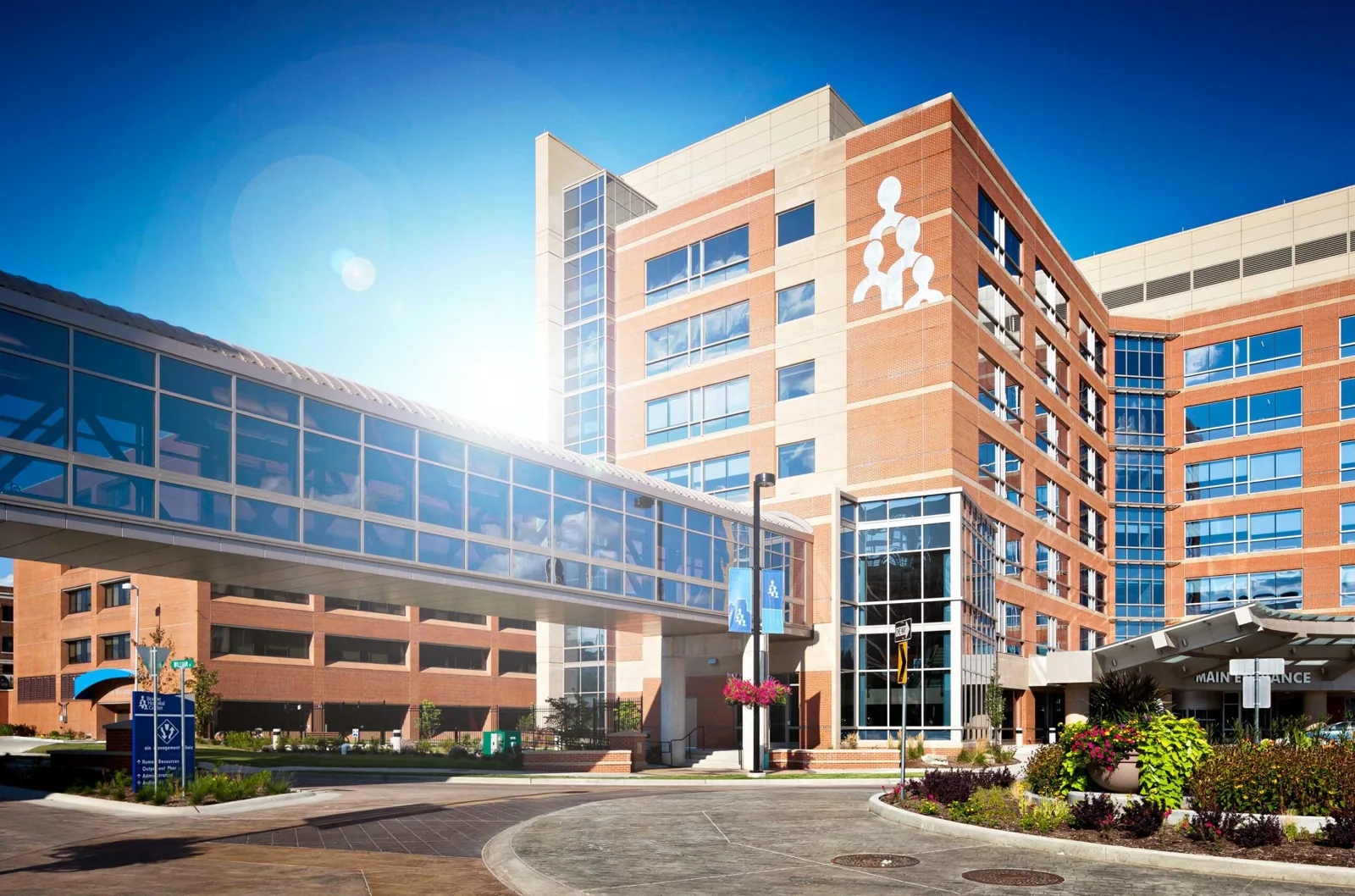
How should the correct medical property be identified?
A corridor-level request is only a starting point. The property contact should confirm the organization, building, roof section, approved access route, and the room or area where water was reported. Several health-care facilities operate in Columbia, and the MU Health Care directory lists more than one along Hospital Drive. The VA campus is a separate institution with its own access approach. Keep each facility’s maintenance history in its own file, even when buildings are close together or share a regional road network. Central City, Columbia and the broader Columbia service area provide distinct geographic references; neither substitutes for the specific property identifier. Before the walk, record who authorized access, what roof zones are included, and any parts that cannot be entered. This prevents a corridor name from being mistaken for a complete inspection area.
For a leak report, capture the interior location and when the symptom appeared, along with any prior repair note or photograph. Facilities teams may use room numbers, building wings, or internal work-order labels that are not apparent from the roof. Preserve the label supplied by the contact and match it to an exterior roof-zone reference only after the site walk. If a facilities map or roof plan is available, mark the inspected area and note whether it is current. These identifiers let another staff member find the same detail later without exposing patient information or merging records from neighboring buildings.
Related Roofing Work
More commercial roofing work connected to Columbia’s Hospital Drive Medical Corridor in Columbia, MO.
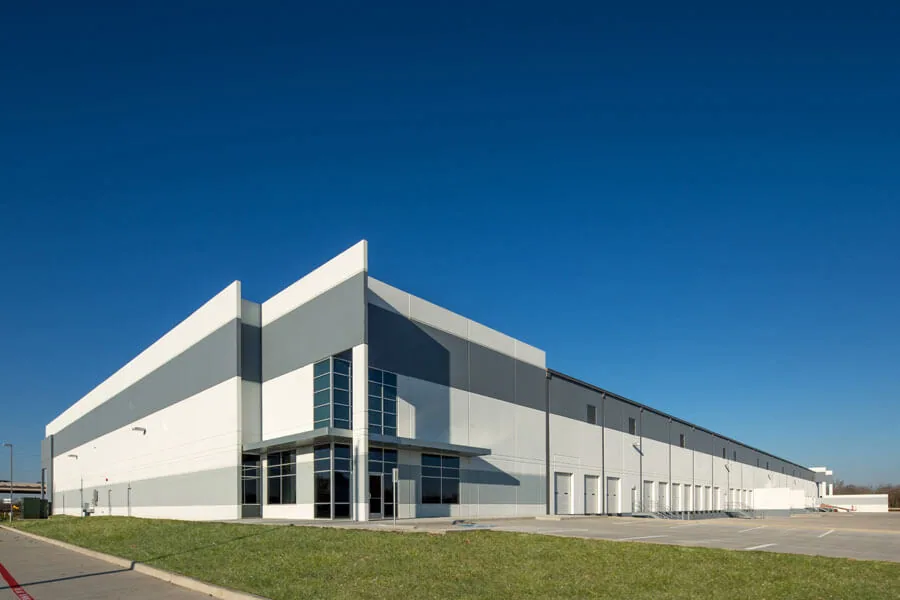
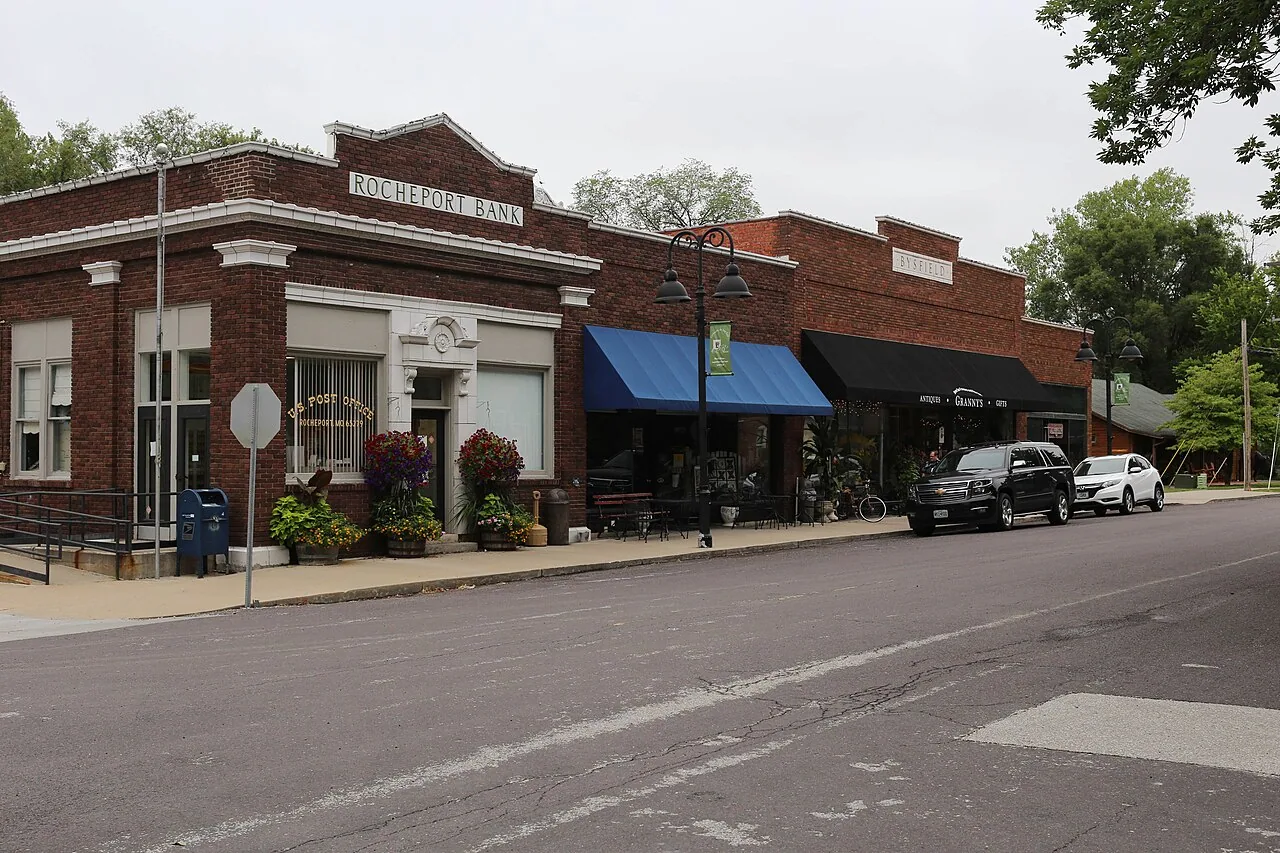
What can a first roof review establish?
A first visit can document visible membrane or metal conditions, seam continuity, flashing, drains, scuppers, curbs, edges, patches, and surface changes. It should also identify roof areas that were inaccessible or concealed. A detail photo is most useful when paired with a wider image showing its position within the roof zone. If water is reported indoors, compare that location with nearby roof transitions and drainage paths; the nearest detail is a lead, not a confirmed entry point. A commercial roof inspection can establish a dated condition baseline, while a written condition report can connect images to observations, limits, and follow-up questions. The report should distinguish what was directly observed from what would require testing or an opening.
When a leak path remains uncertain, the next step should answer a defined question. Note whether the proposed test could identify concealed moisture, narrow the repair boundary, or determine whether adjacent insulation or deck needs review. An infrared pattern can help select areas for confirmation, but it does not independently verify wet material. If an opening is authorized, record its location, what was exposed, how the area was restored, and what the result changed. That preserves a traceable basis for the recommendation without extending the finding to a larger medical campus.
How should Columbia weather inform follow-up?
Columbia’s climate record describes spring as the wettest season and the most likely period for strong storms with large hail or tornadoes. Summer can bring heat and localized heavy rainfall, with damaging winds a greater concern later in the season. Winter adds recurring movement around freezing and seasonal snowfall. For a facility team, these patterns can guide when to review roof transitions, drainage, edge details, and prior repairs. They do not confirm that a particular building sustained damage. After a reported event, record its date, the property contact’s concern, the roof zone checked, visible changes, and any area that remained out of reach. A hail-damage review or a wind inspection should describe observable evidence and distinguish it from ordinary wear. Compare dated images from the same area where available.
If the first visit occurs before the full weather history is available, keep that uncertainty in the file and plan a targeted return only when it can answer a useful question. A follow-up might check a repaired transition after rain, confirm that a temporary cover was removed, or document whether moisture recurred at the same interior reference. Record the result against the same building and roof zone. This gives property managers a decision trail rather than a generalized statement that the corridor was checked after a storm.
When is a local repair enough?
A local repair may fit when the failure is clearly bounded, nearby material can accept a compatible tie-in, and inspection or testing does not show that moisture extends beyond the work area. State preparation, materials, repair edges, protection, exclusions, and the condition that would trigger a scope change. Repeated entry, several separated defects, uncertain wet insulation, or deterioration across multiple roof zones may call for additional testing or an assembly-level review before pricing broader work. A proposal should separate confirmed quantities from allowances. Commercial roof repair should be tied to the inspected evidence; if replacement or restoration is considered, compare the current assembly, drainage, attachment, penetrations, perimeter transitions, and substrate condition.
Healthcare operations add coordination requirements that belong in the work plan. The facilities contact identifies access procedures, staging, protected areas, delivery routes, noise windows, and any time-sensitive spaces below the roof. For an occupied project, define how much roof can be opened in a shift, how it will be protected if weather interrupts work, and who verifies close-in. Occupied-building phasing can support that sequence, but the facility supplies its current rules. Keep these instructions separate from the technical condition record. If a planned alteration requires code or energy review, the project designer confirms the applicable provisions under Columbia’s commercial plan-review process.
What should the closeout record preserve?
Closeout should identify the property, building, roof zone, visit date, observed condition, completed work, materials, tie-in boundary, and photographs. State which areas were not entered, what testing was performed, and whether any question remains open. If another trade changed a curb, penetration, or rooftop component, note the handoff and who is responsible for restoring the roof detail. Keep separate records for distinct medical properties even when the same manager or contractor coordinates them. That discipline helps a future facilities reviewer distinguish an earlier observation from a later condition at another building in the corridor.
A simple history should make the next visit easier: use stable zone labels, retain before-and-after photos, and record what outcome would prompt another inspection. Avoid treating an interior stain that has not yet faded as proof of a continuing leak; compare the timing and roof evidence with the original report. Preventive roof maintenance can schedule repeat observations, and West Broadway Corridor offers a separate Columbia service-area reference for properties outside this medical campus area. Each recommendation remains tied to the building actually inspected.
Commercial Roofing Questions
Does a Hospital Drive corridor request identify one roof?
No. The corridor includes separate properties. The facilities contact confirms the building, roof section, and access that the inspection covers.
Can nearby medical properties share one roof history?
No. Keep each building’s observations, photos, work limits, and follow-up in its own record, even when one team coordinates several sites.
Does a storm date confirm roof damage?
No. It can guide follow-up, but the report should describe visible conditions and any testing that supports a damage conclusion.
What should be provided for a reported leak?
Share the property and building identifier, interior location, date first noticed, access contact, and any earlier repair record. The roof visit then verifies the condition.