
Spray Polyurethane Foam Roofing in Columbia, MO
Sprayed foam relies on a continuous bond and a protective coating that remains intact. A split in the coating may expose foam without revealing whether moisture has reached the roof assembly. We inspect the surface, seams, penetrations, drainage, and any suspect areas before deciding whether localized repair or broader renewal is appropriate. The repair should restore both the foam profile and its weather-protective layer, not simply cover a mark. Columbia’s wet spring, summer heat, and freeze-thaw cycles make coating condition and water movement worth documenting across the roof. Discovery Ridge Research Park supports technology-focused economic development, while Ashland connects commercial growth with U.S. 63 and Broadway. In either setting, access and operations should be planned around the actual property. Our recommendations begin with the installed assembly and the evidence available from its surface and underlying layers.
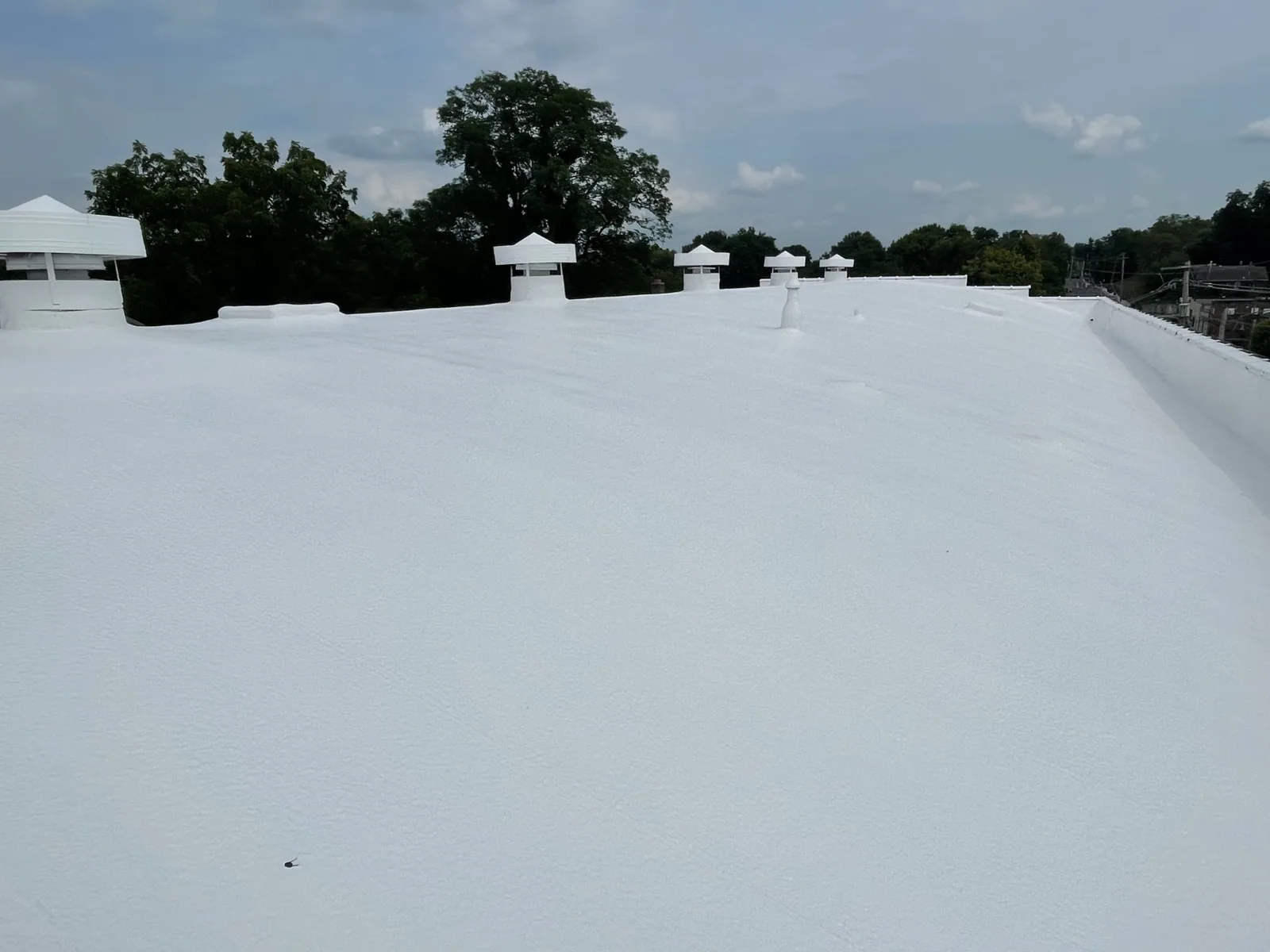
How is the foam layer evaluated?
We look for exposed or eroded foam, cracks, punctures, blisters, soft areas, separation from the substrate, and changes in profile that could affect drainage. The roof plan should mark where each condition appears and distinguish isolated defects from a pattern. A small test cut or core sample may be useful when surface observations cannot establish whether the foam or underlying material is wet, but testing should be placed and closed deliberately. We record the location and repair of every opening. When the coating is intact, the foam cannot be evaluated just by color from a distance; adhesion and internal condition require a closer review. A commercial roof inspection can map visible conditions, and moisture survey work may help target follow-up if conditions support that method. Findings should describe what the inspection could confirm and what remains concealed.
Related Roofing Work
More commercial roofing work connected to Spray Polyurethane Foam Roofing in Columbia, MO.
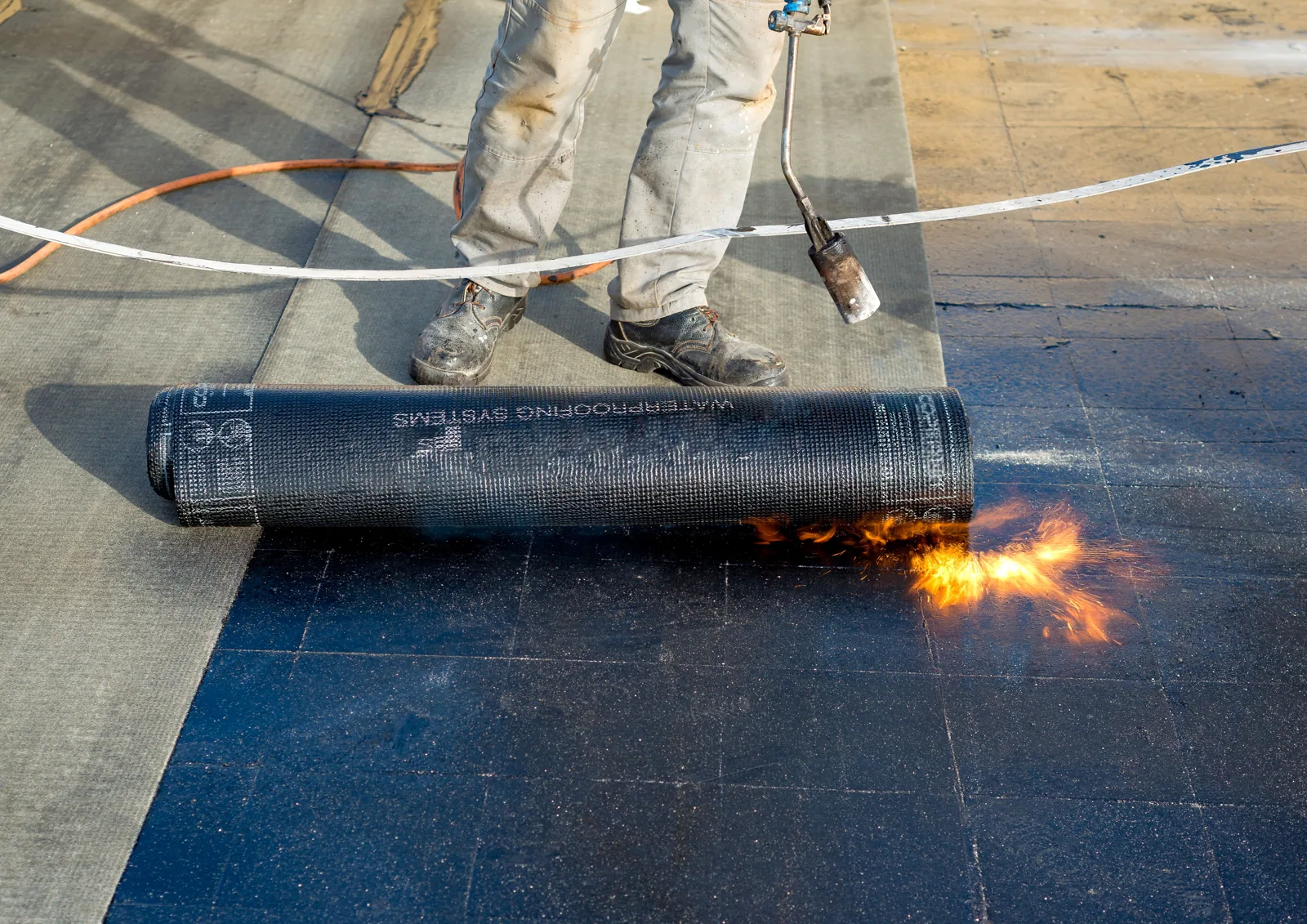
Why does the protective coating matter?
Foam needs a suitable protective layer to limit exposure to sunlight, moisture, and physical wear. Coating loss can be local around a penetration or broad across a roof field, and the repair differs in each case. Before recoating, the existing layer must be clean, dry, compatible, and sufficiently bonded. Loose material, failed sealant, or wet foam should not be hidden under another application. The scope should state preparation requirements, coating type, target thickness, reinforcement at seams and penetrations, and how coverage will be checked. A small adhesion test can answer whether the substrate will accept the proposed product. Coating restoration should follow that evaluation rather than start with a product choice. We photograph the prepared surface and finished work so the owner can see which areas received new coating and which were excluded or deferred.
Where the coating thins near a drain or service route, compare the location with foot traffic, ponding, and the direction of runoff before choosing a repair. Surface preparation should remove loose film and contaminants without cutting into sound foam. A compatible primer and reinforcement may be required at transitions, but the manufacturer’s application details govern the selected system. Keep coating renewal separate from any work needed to rebuild wet foam or correct a low spot. The estimate should make those scopes visible so the owner can choose the sequence with a clear view of what each operation changes.
What should be checked at drains and low areas?
SPF can be shaped to direct water, but a low point, damaged drain bowl, or blocked outlet may still keep water on the roof. We check the slope around drains and scuppers, note ponding after weather, and examine whether coating has collected or cracked at the low area. A repair that changes the foam profile should preserve the drainage path, and an added coating should not close an outlet or reduce a drain opening. Spring rainfall in mid-Missouri can be concentrated, so a photo taken after a storm can help distinguish a temporary wet surface from persistent ponding. Drainage review can address outlet concerns; the roof’s foam and coating still need inspection together. If a leak has been reported, we trace from the interior symptom toward likely surface paths, but we do not assume water entered directly above the stain. That distinction prevents a patch from missing the true opening.
When does localized repair make sense?
A repair may be appropriate when the damage is defined, adjacent foam remains bonded and dry, and the existing coating can be restored around the patch. Work may include removing unsound foam, replacing it in controlled lifts, shaping it to the surrounding contour, and applying compatible reinforcement and coating. The repair boundary should extend to stable material, not stop at the edge of visible discoloration. If testing finds widespread moisture or broad adhesion failure, a series of small patches may leave the larger assembly unresolved. Roof repair can address a mapped defect, while replacement planning can compare removal or another designed assembly. Built-up roofing uses a multi-ply bituminous construction rather than an in-place foam surface. TPO roofing is a sheet membrane system with a different field seam and substrate detail. The proposal should explain the evidence for its chosen boundary, what tests were used, and which areas were not examined.
At a penetration, curb, or perimeter, follow the foam profile into the adjacent coating and flashing rather than stopping at the visible crack. A patch must meet stable material and restore the path that carries water to the drain. If new foam changes the slope, confirm the outlet remains open and document the contour before recoating. Label both the repaired area and the roof section that remains outside the work so a later inspection can compare the same boundary.
What belongs in the SPF roof record?
Keep the roof plan with the known foam type and installation history, coating product and batch, repair locations, test openings, drainage observations, and dated photographs. Record whether coating thickness was measured, where reinforcement was installed, and which penetrations or roof zones were included. Mark any area that could not be reached or tested so a later inspection can return to the same boundary. Columbia’s hot summer periods can affect application windows, so retain the weather and substrate conditions relevant to the product requirements.
When a repair exposes foam, photograph its condition before the opening is restored. Note the depth removed, whether the remaining foam is bonded and dry, how the contour was rebuilt, and how the protective coating was tied back into stable material. Close each opening before the crew leaves and identify any temporary cover that requires a return check. At completion, label the restored seams, drains, penetrations, and low areas on the roof map. That closeout gives the next maintenance visit a clear starting point and shows which areas still need testing or monitoring.
Commercial Roofing Questions
Can a spray foam roof be recoated instead of replaced?
It may be suitable when the foam remains bonded and dry, the roof drains correctly, and the existing coating can accept a compatible system. Testing and surface preparation should support that decision.
Does a cracked coating mean the foam roof is ruined?
Not necessarily. The crack should be mapped and checked for exposed, wet, or separated foam. The repair scope depends on what is found below and how far the coating defect extends.
Can SPF repair improve roof drainage?
A foam repair can restore or adjust a local contour when the design and outlet conditions are understood. Drainage changes should be planned so added material does not trap water or restrict an opening.
How is moisture checked beneath the coating?
Visual inspection can identify suspect areas, while selected testing or a controlled sample may be needed to confirm concealed conditions. The method and any resulting opening should be documented and repaired.