Metal Roof Retrofit in Columbia, MO
On an exposed-fastener roof, a leak near a screw does not automatically mean the entire panel has failed. The washer may have hardened, the fastener may have loosened, or water may be entering at a lap, ridge, curb, or edge nearby. We inspect the panel condition, attachment points, corrosion, underlayment clues, drainage, and supporting structure before choosing a repair or retrofit direction. A coating cannot correct a loose connection, and an overlay should not conceal unverified structural concerns. Columbia’s spring storms and seasonal temperature swings make it useful to identify whether a defect is isolated or recurring across an elevation. The I-70 Business Loop connects commercial and industrial properties across the city, and LeMone Industrial Park has office and light-industrial uses. Those place facts do not establish any individual roof’s system or condition. They underscore why we inspect each building directly and define the project around evidence gathered on site.
What does an exposed-fastener inspection need to show?
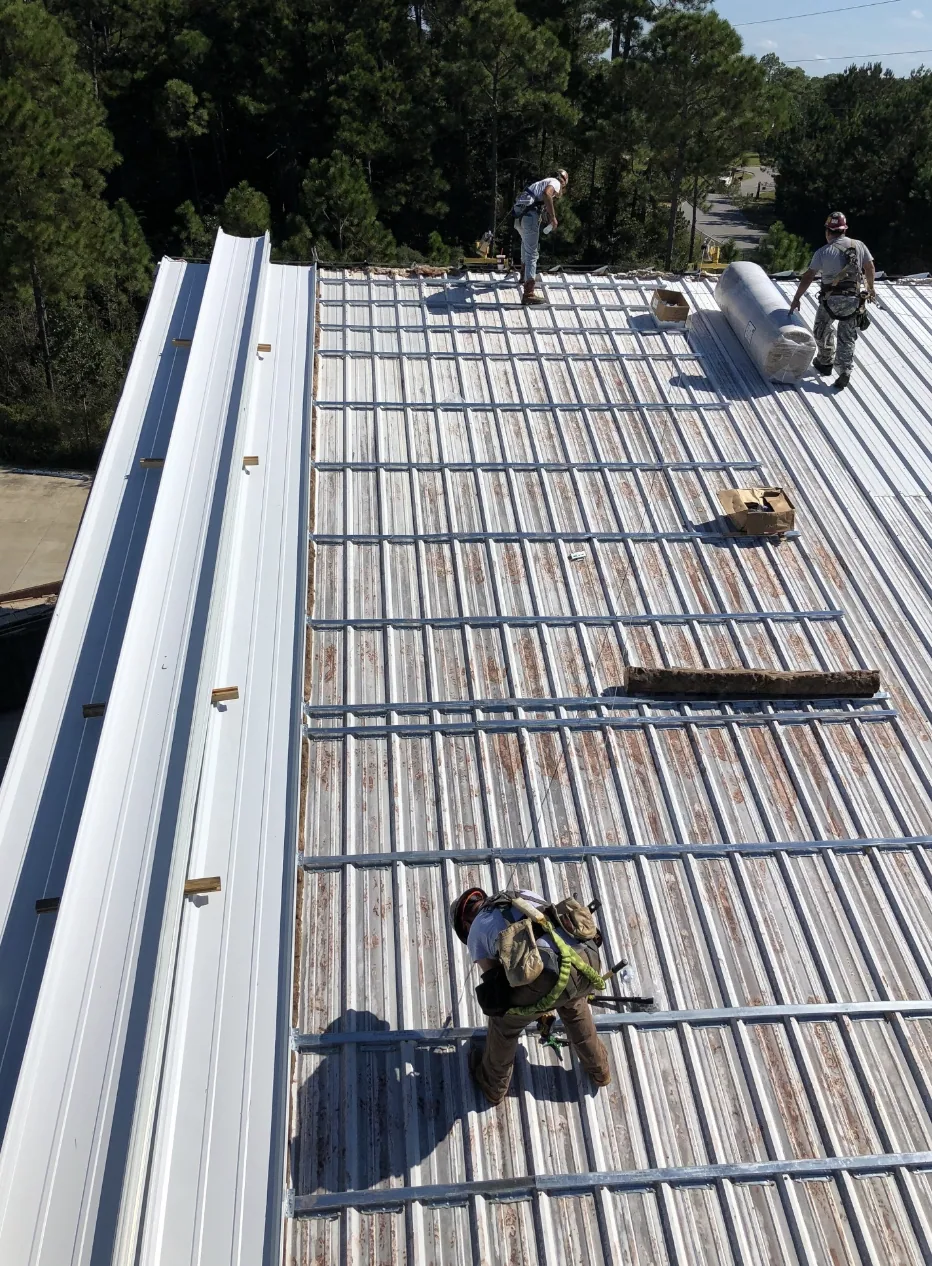
We map fastener rows and note missing, backed-out, overdriven, or visibly corroded screws. A washer that no longer compresses evenly may allow water past the panel, but adding a new screw beside it can create another hole without addressing the cause. We also examine whether panels have shifted, whether the purlin or other support appears sound, and whether the metal around an attachment is stretched or torn. At sidelaps and end laps, the inspection looks for separation, sealant condition, and evidence of movement. The photographs should identify the roof area and show representative conditions rather than a handful of close-ups with no location context. A commercial roof inspection can record these observations and distinguish a fastener repair from a panel or substrate concern. If the installed roof is a concealed-fastener assembly, standing seam metal roofing uses a different attachment arrangement and repair approach.
Related Roofing Work
More commercial roofing work connected to Metal Roof Retrofit in Columbia, MO.
When can repairs or restoration remain practical?
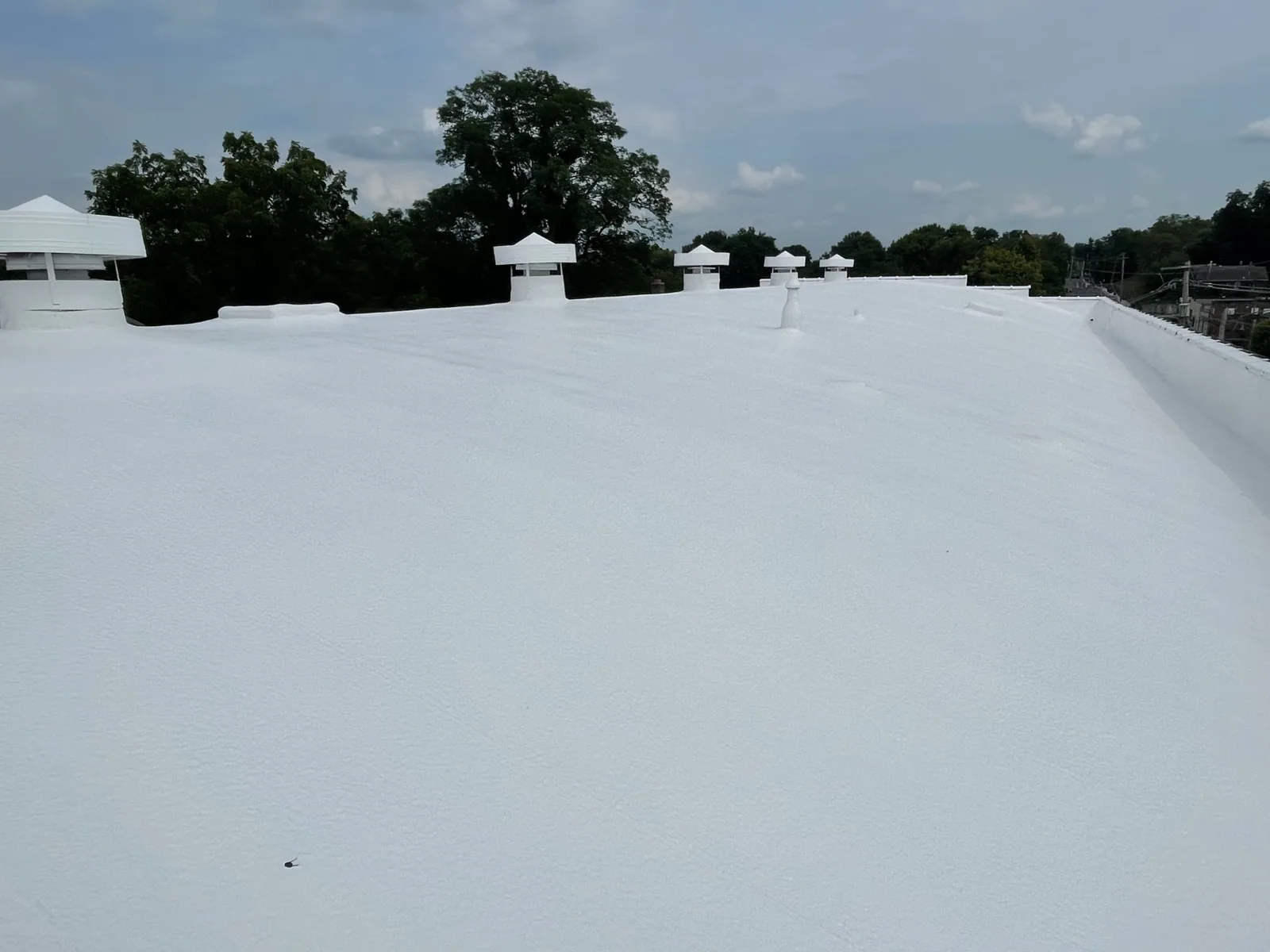
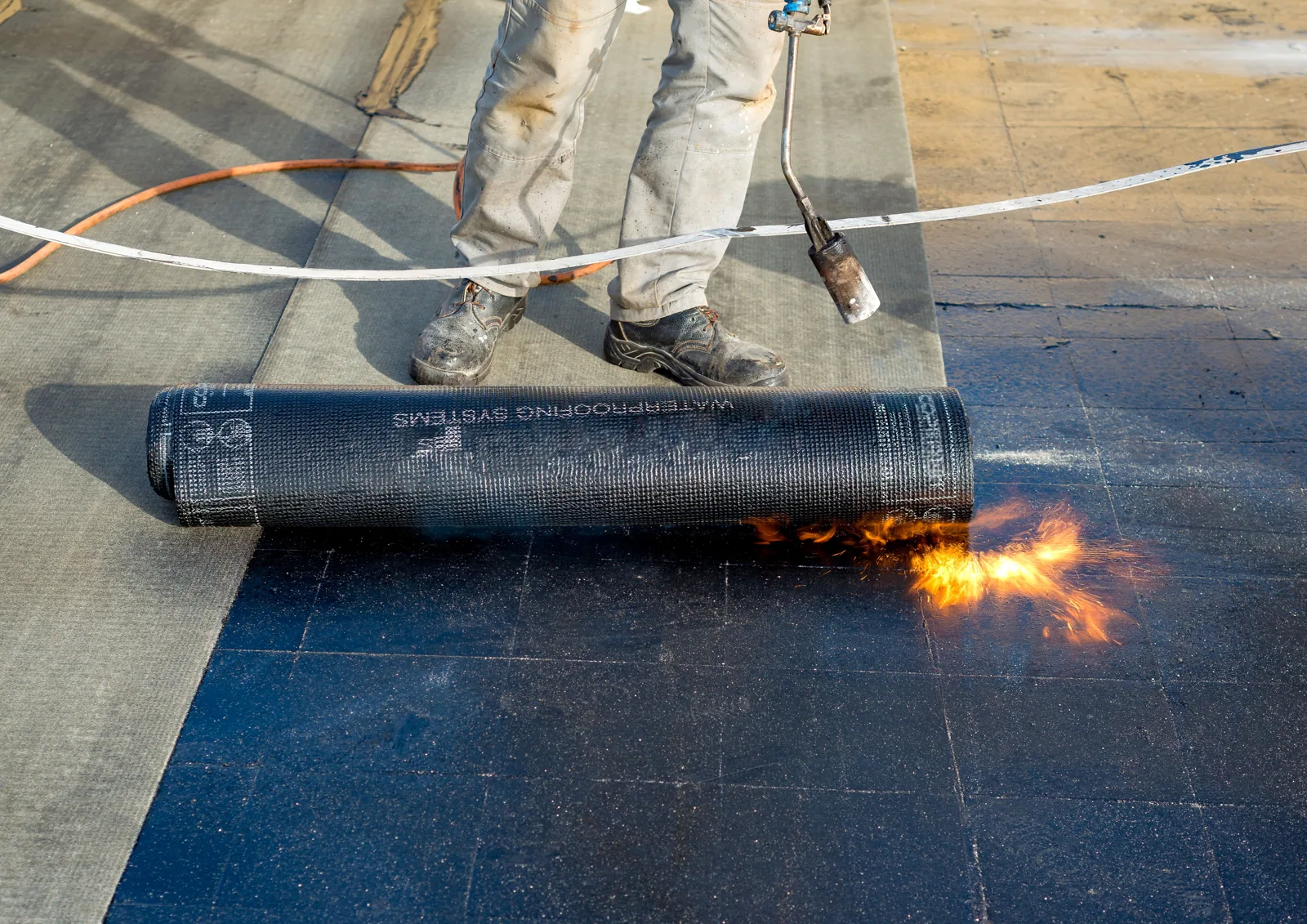
A limited repair may fit where panels remain secure, corrosion is local, and the surrounding laps and support points are in serviceable condition. Work may include replacing a defined group of fasteners and washers, restoring a flashing, or correcting a closure detail. The repair record should identify the fastener type and locations instead of saying only that screws were tightened. A restoration coating can be considered only after loose material is corrected, rust is prepared, and the surface can accept the specified system. It should not be used as a shortcut over active leakage or an unstable panel. We note which areas were prepared, what primer or membrane was installed, and where seams or fasteners received reinforcement. Metal roof repair can address a mapped defect, while roof coating restoration needs its own adhesion and substrate assessment. The correct comparison is between the documented condition and the work each option actually includes. Before approving a broad restoration, request a sample area or test where appropriate and confirm how the contractor will protect adjoining surfaces. A coating thickness target, reinforcement width, and acceptable weather window should appear in the project notes, along with the method for checking coverage. These details make the proposal easier to compare and give the facilities team a basis for reviewing the completed work.
What changes when a retrofit is proposed?
A retrofit may add a new roof assembly over existing metal, but feasibility depends on panel stability, structure, drainage, height constraints, penetrations, and the selected system. The added assembly must have a defined attachment path and should not rely on metal that is already loose or severely deteriorated. We check whether existing insulation or trapped moisture changes the design, how perimeter and rooftop equipment details will be rebuilt, and whether the roof can drain after the profile is covered. A project team may need structural review and code coordination before choosing an overlay. The city’s commercial plan review uses the 2024 International Building Code, Existing Building Code, and Energy Conservation Code, so alterations should be evaluated against the project’s applicable requirements. Replacement planning can compare removal with an over-roof option; TPO roofing is one possible new membrane system, subject to design and project fit. We do not call an overlay feasible until its attachment and water-management details are understood.
How do laps and roof edges affect leaks?
Metal panels move with temperature, and a lap or flashing that cannot accommodate that movement may open over time. A ridge, valley, eave, pipe, curb, or wall transition can interrupt the panel field and create a separate leak path. We follow the reported interior symptom uphill, inspect nearby seams and penetrations, and record the roof slope and drainage route. The stain location alone cannot establish the opening. In Columbia, intense spring rain can test a vulnerable lap, while wind-driven rain may reach an edge detail from a direction that ordinary runoff does not. We document weather conditions and whether the problem is repeatable, then recommend focused testing only when it can answer a practical question. Drainage and outlet review can identify blocked or undersized drainage points, but a panel seam still needs a compatible metal-roof detail. A repair should restore the water-shedding path and preserve the movement expected by the assembly.
How should retrofit work be sequenced?
Crews need to know where panels will be opened, how the roof will be protected between shifts, and how deliveries will reach the work area. We identify whether the building remains occupied, which doors or loading zones need to stay clear, and what temporary weather protection is planned. If a project includes equipment curbs or new penetrations, those details should be coordinated before panel work starts. The written scope should define removal limits, attachment testing, edge closures, and inspection points before the next layer covers the old roof. A closeout record can include marked roof plans, representative before-and-after photographs, fastener schedules, coating products, and the location of any unrepaired corrosion. A later maintenance visit can revisit known repair points and compare their condition over time. A record is useful when it states which roof area was addressed and which was outside the project, rather than implying the whole roof received the same treatment.
Begin with a survey that maps purlins or structural supports where accessible, panel laps, penetrations, edges, and any existing coatings. The design should state how the retrofit attaches, how new insulation and drainage are handled, and how height changes affect curbs and wall transitions. During installation, photograph attachment points and details before they are concealed. Keep existing repairs separate from the new assembly in the closeout record. Columbia's 2024 commercial code package includes existing-building review provisions, so an assembly change should be checked against the applicable project requirements before final documents are issued.
Commercial Roofing Questions
Can exposed-fastener metal roofing be recoated?
It can be considered when the panels, fasteners, laps, and substrate are suitable and the coating system is compatible. Preparation, rust treatment, seam reinforcement, and adhesion testing should be defined before coating begins.
Should loose screws simply be tightened?
Not without checking the fastener, washer, panel hole, and supporting member. Tightening a damaged or overdriven screw may not restore the connection, so the repair should specify whether components need replacement.
Is an over-roof always less expensive than replacement?
No. Cost and suitability depend on structural capacity, moisture, panel condition, drainage, height, and the new assembly’s attachment design. Both paths should be compared against documented site conditions.
How do I know whether a leak starts at a screw?
A site inspection traces the roof surface around the reported leak and checks nearby fasteners, laps, flashings, and penetrations. Interior staining can guide the search but does not prove the exact entry point.