
Commercial Roof Insurance Claim Assistance in Columbia, MO
A claim file gets stronger when each photograph answers a practical question: which roof area is shown, what condition is visible, and when was it recorded? We help Columbia commercial property owners organize roof observations, repair notes, and a defined work scope after a reported event. The documentation can include labeled photographs, a roof-area sketch, inspection date, observed material conditions, temporary protection, and proposed repairs. It does not decide whether a policy covers the loss. That determination belongs to the insurer and depends on the policy and claim review. The spring severe-weather season in central Missouri can bring large hail and tornadoes, while summer storms can deliver locally heavy rain and damaging winds. Those are reasons to preserve timely evidence, not grounds to assume a particular roof was damaged. The I-70 Business Loop contains a mix of commercial and industrial properties, and owners in The District downtown work within a dense business district. At either location, the file must describe the inspected building, not general conditions elsewhere in Columbia. We first identify what was reported, then separate it from findings that can be seen and documented.
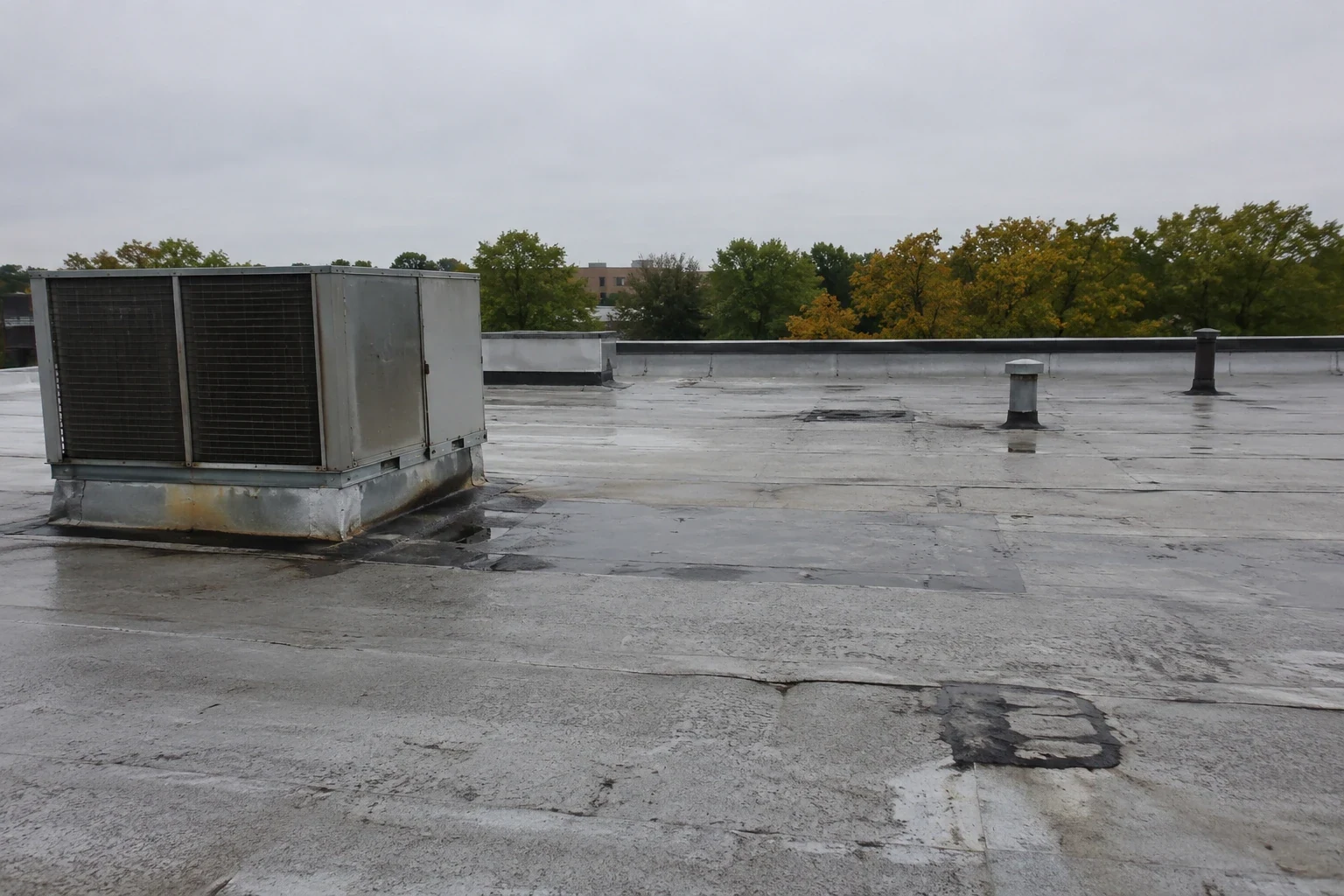
What should a useful roof claim record include?
Begin with the reported event date, the date the condition was discovered, and the date of each inspection or temporary repair. A roof plan or simple area map can orient photographs and show which portions were accessible. Each image should have a location label and a short factual caption, such as an open seam at the north curb or a puncture beside a drain. Wide views establish context; close images show the detail. We note whether a condition is confirmed, suspected, or not possible to evaluate without opening the assembly. The record can also list prior repairs and existing deterioration when that information is available, because a file should not blur older wear into a recent loss. A documented roof inspection can establish the current observed condition, while storm damage repair assessment can identify temporary needs and permanent work limits. These are related steps, but the findings should remain traceable to the inspection that produced them.
Related Roofing Work
More commercial roofing work connected to Commercial Roof Insurance Claim Assistance in Columbia, MO.
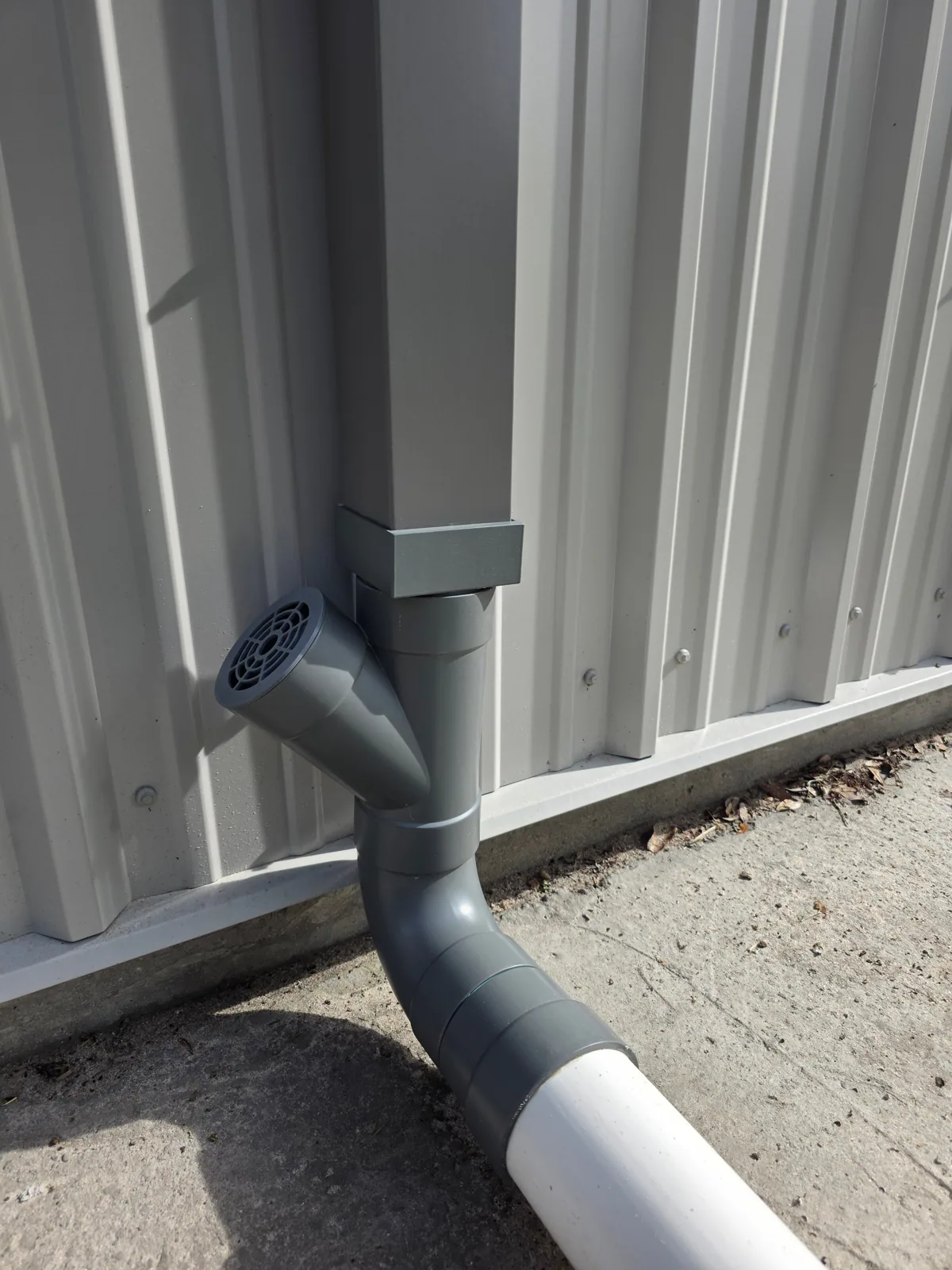
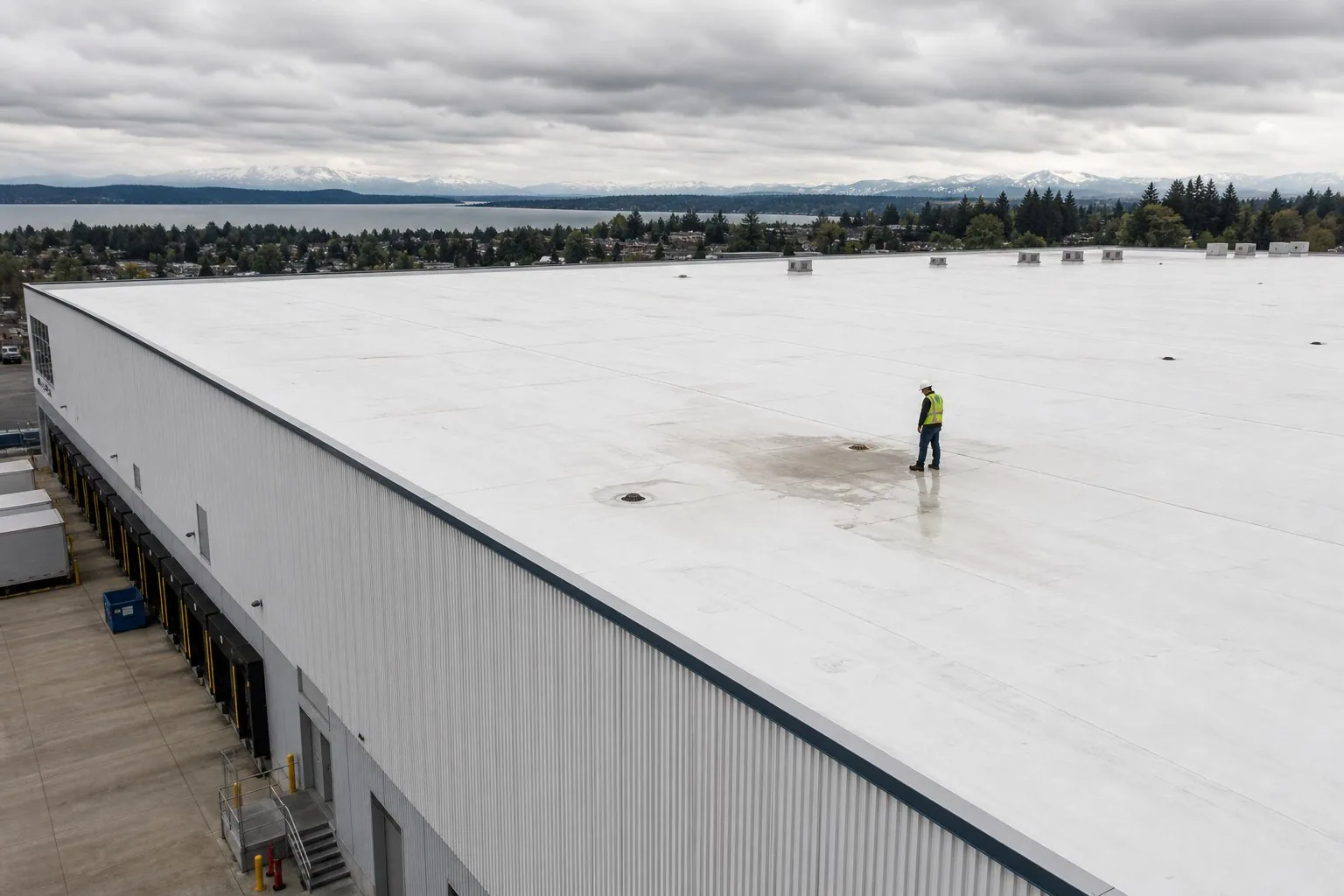
How do inspection findings become a repair scope?
A repair proposal translates a verified condition into work the owner can review. It should state the affected roof area, material type where known, preparation, repair method, limits, and any access or weather assumptions. If a crew must remove material to confirm the condition below, the scope should explain that discovery step and how newly exposed work will be handled. We distinguish temporary dry-in from permanent repair, and list areas that were not inspected. A proposal should also identify whether the work addresses a localized detail or a larger roof section. Commercial roof repair can correct a defined defect, while roof replacement planning may be appropriate when widespread deterioration changes the repair decision. If water entry remains active, emergency roof response can be documented separately so the file reflects both immediate protection and the later permanent work. No estimate should imply policy approval or state that a particular item is covered.
How should cause and timing be described?
Use careful language. An inspection can describe a puncture, displaced edge metal, a failed seam, wet insulation, or a stained ceiling. It may also state that a condition is consistent with a reported exposure when the physical evidence supports that observation. It should not assign a date or cause that the available evidence cannot establish. Older repairs, recurring leaks, and ordinary aging belong in the record if they affect the roof, with their own location and evidence. Columbia experiences recurring freeze and thaw conditions, and the local climate record also documents seasonal snowfall. That background explains ongoing exposure across the market, but it cannot date a specific defect on a particular building. Compare the dated inspection with prior repair photographs and maintenance notes to identify what changed at the property. Keep event timing separate from any cause that the roof evidence cannot establish. A moisture survey may help investigate concealed wet areas, while destructive testing may be needed when an image or surface observation cannot resolve the assembly condition.
What does coordination with the owner involve?
We can organize the roofing observations and provide a clear explanation of proposed work for the owner to share with the insurer or adjuster. The owner remains responsible for submitting the claim and confirming policy requirements, deadlines, and requested forms. If an insurer asks for additional photographs or measurements, we can identify what can be verified from the roof and schedule a follow-up inspection when needed. We can also note when a roof area is inaccessible, unsafe, or concealed by equipment, so a missing image is not mistaken for a clean finding. Columbia's commercial plan review follows the City's adopted 2024 building-code package, including existing-building provisions. If the proposed work changes an assembly or becomes part of a broader alteration, the specific scope may need code review; the claim file itself does not substitute for permitting. The property contact should confirm roof access, work limits, and any building-specific requirements before scheduling. We document the roof work requested without inventing operating constraints from the neighborhood or building category.
How can the file stay useful after the claim review?
Keep the final repair record with the original inspection and claim documents. The closeout should show the repaired detail, material used, work date, and any condition left outside the work order. Before-and-after photographs can help the owner distinguish a completed repair from a temporary measure. If the inspection identified other roof concerns, list them separately with a suggested next step rather than suggesting they were included in the claim repair. For a larger property portfolio, use the same roof-area labels over time so future inspections can compare the same locations. This is useful in a market where seasonal temperature changes, spring storms, and localized summer rainfall create different inspection triggers across the year. The record can support later maintenance decisions even when no claim is involved. Scheduled roof maintenance can follow unresolved details after the claim work is complete. The goal is a factual history the owner can use, not a prediction about coverage or future performance.
Keep the inspection, owner-submitted event details, temporary protection, repair estimate, approvals, and completed-work photographs in one dated sequence. Note which statements came from a site contact and which conditions were observed directly. If an estimate changes after opening the assembly, document what was exposed and why the revised work is needed. Columbia's spring storms may bring hail, tornadoes, and heavy rain, but regional weather is not a building-specific diagnosis. The owner can use the same roof-zone map to compare later maintenance findings with the claim record. Avoid replacing the original observation with a final invoice; both are needed to show how the scope changed.
Commercial Roofing Questions
Can a roofer tell me whether my insurance will cover the roof damage?
No. We can document roof conditions and explain a proposed repair scope, but the insurer determines coverage under the policy. The file should describe observed facts and avoid presenting a contractor opinion as a coverage decision.
Can you separate storm damage from older roof wear?
We compare current observations with available photos, repair records, and the reported event date. Some conditions may be consistent with recent exposure; others may be older or uncertain. The report labels those distinctions and does not overstate what can be dated.
What if a temporary repair is needed before the inspection is complete?
We document the exposed area, the protection placed, and the limits of that temporary work. The permanent scope follows after the roof can be inspected safely and the affected materials can be evaluated.
Will you meet with an adjuster?
We can coordinate a roof inspection or explain the roofing observations and scope to the property owner and adjuster when scheduled. The owner should confirm any required claim procedures directly with the insurer.