
Commercial Roof Edge Metal and Coping in Columbia, MO
Wind-driven rain tests the edge assembly at coping, cleats, laps, and membrane terminations. We inspect the roof perimeter as a connected assembly: coping cover, cleats, splice plates, fasteners, membrane termination, fascia, gutters, and downspouts. The goal is to find where the assembly releases or sheds water poorly, then define whether a repair can restore the detail or replacement is needed. Columbia's seasonal storms include damaging winds, and freeze-thaw conditions recur through winter. These exposures make edge inspection useful, but neither climate nor a place name proves that an individual building has failed metal. The The District, Downtown Columbia includes a dense mix of businesses, residences, nonprofits, and civic entities; each property still needs a roof-specific field review. The Columbia Regional Airport Area supports commercial airline service and general-aviation activity, a different part of the city's property mix; those facts do not establish roof design or access conditions at any address. We document the exact elevation and transition, photograph open laps or loose sections, and note whether the membrane termination remains secure. That evidence gives the owner a repair boundary instead of a general statement that the roof edge needs attention.
What do you inspect along the roof edge?
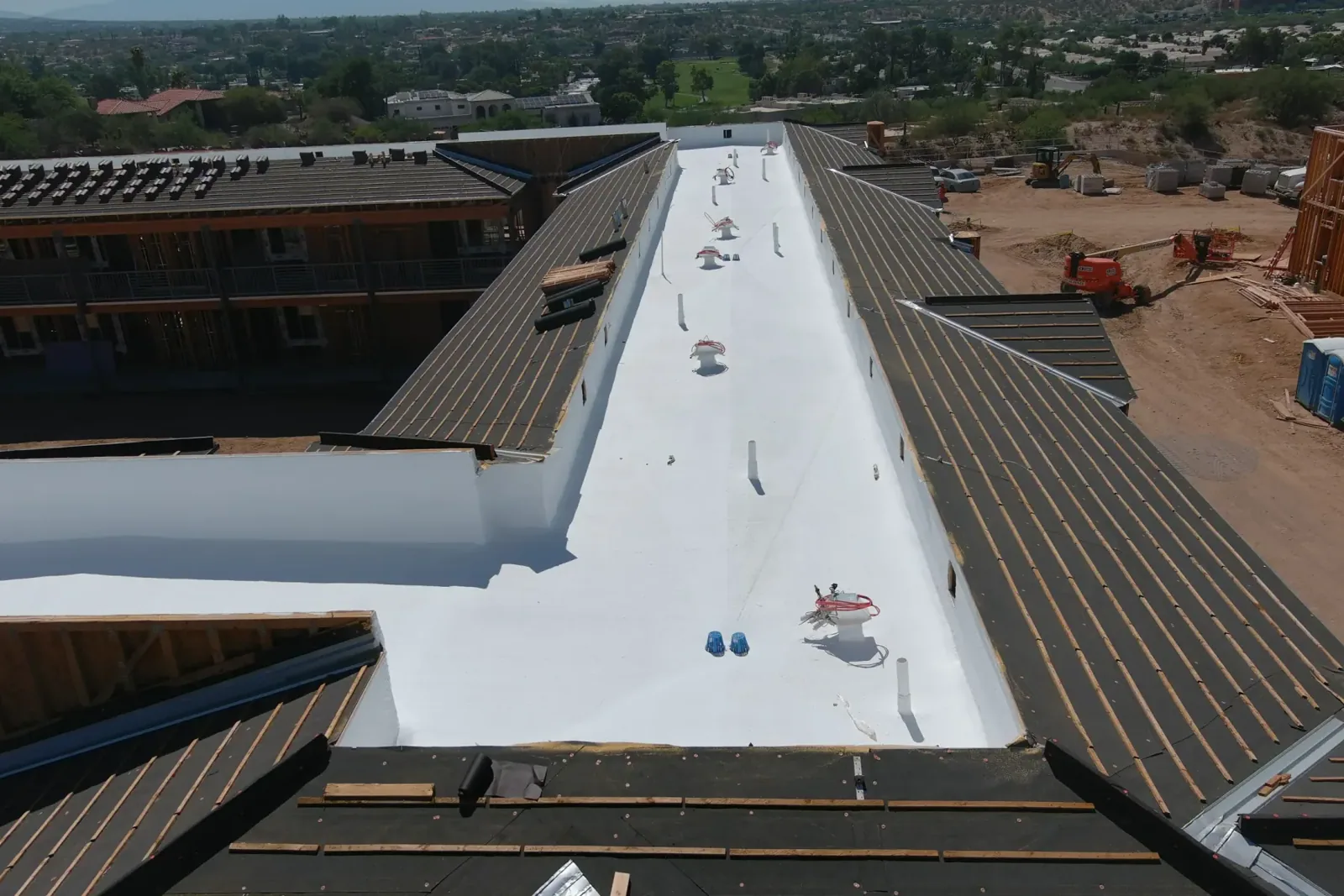
At coping, we check alignment, joint covers, splice plates, cleat engagement, fasteners, sealant condition, and signs of movement. At a gutter edge, we look for sagging, separation, backed-up water, failed end caps, and a connection that directs runoff away from the building. We inspect corners and changes in roof elevation closely because the edge detail changes there. The membrane termination beneath the metal matters too: secure cover metal cannot correct a loose or wet membrane below it. We identify rust, impact, open seams, and prior patches without treating appearance alone as proof of leakage. If water has entered, we trace likely paths and separate that observation from the metal condition. The report can record whether damage is continuous or limited to one joint, and whether the substrate holding a cleat or gutter hanger is stable. Where wall finishes obscure the termination, we identify the limit and explain whether opening that transition is part of the proposed work. A roof inspection can include the perimeter with field seams and penetrations. If the edge is visibly displaced after a storm, storm repair assessment can record the affected run and any temporary protection. A leak investigation may be appropriate when interior evidence points toward the wall or roof transition.
Related Roofing Work
More commercial roofing work connected to Commercial Roof Edge Metal and Coping in Columbia, MO.
Can a loose coping or gutter be repaired?
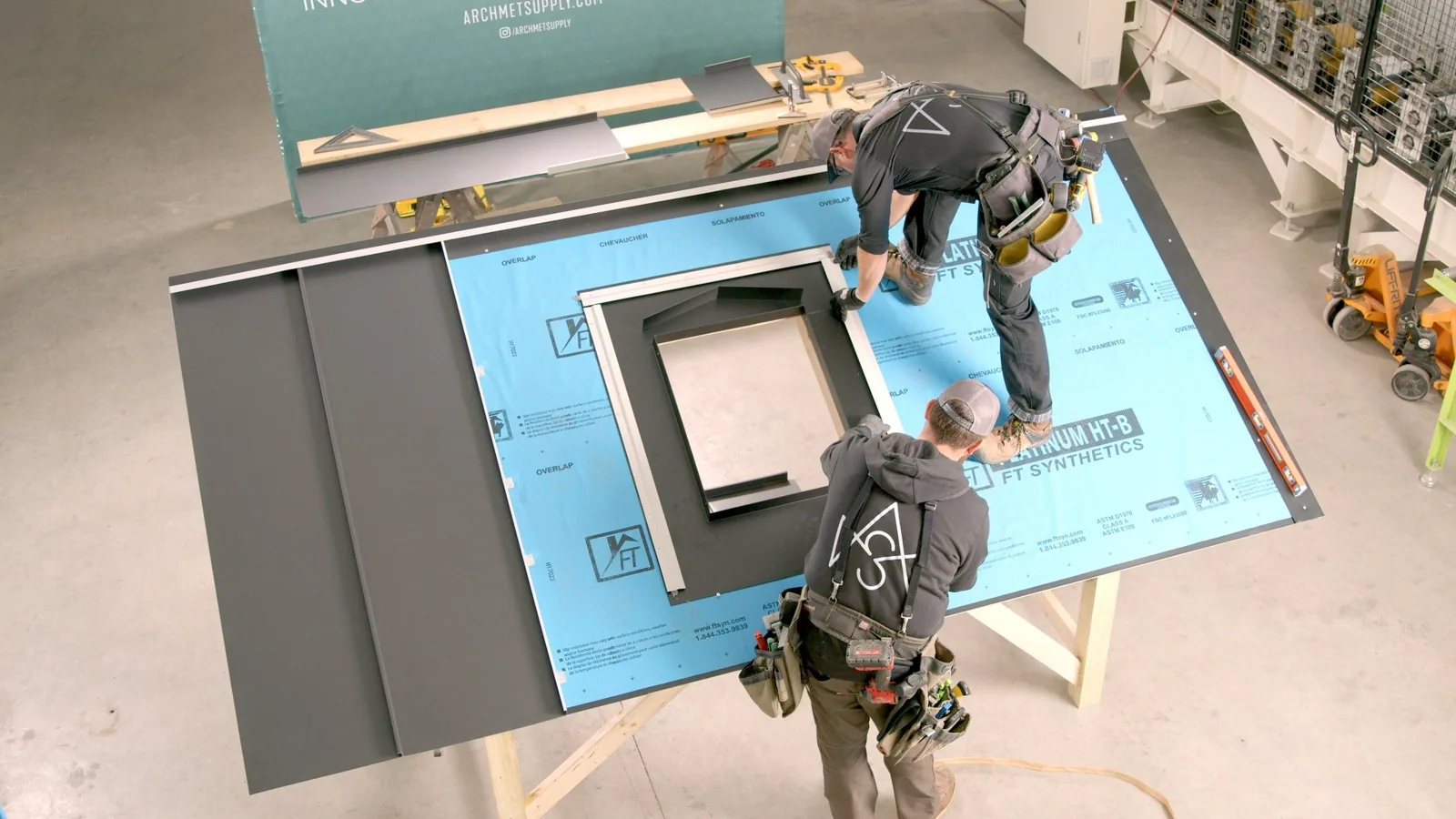
Sometimes. A repair can be appropriate when the surrounding metal and substrate remain sound and the failed connection is isolated. The scope may include replacing a splice cover, restoring cleat attachment, sealing a compatible lap, correcting a short gutter section, or reconnecting a downspout. We check that the repair method does not trap water or block drainage. If the metal is broadly corroded, distorted, repeatedly patched, or attached to deteriorated backing, replacing a continuous section can produce a clearer boundary. A membrane termination can require opening the edge and rebuilding more than the cover metal itself. The proposal should identify the run, corner, height, access method, and how the wall or roof membrane transitions will be finished. Commercial roof repairs can address the connected membrane detail, while replacement planning may be relevant when perimeter conditions recur across multiple elevations. For a metal system, metal roof edge details need to match the panel and clip configuration. We do not promise a universal fix before seeing how the edge is assembled.
How do gutters and downspouts affect the roof scope?
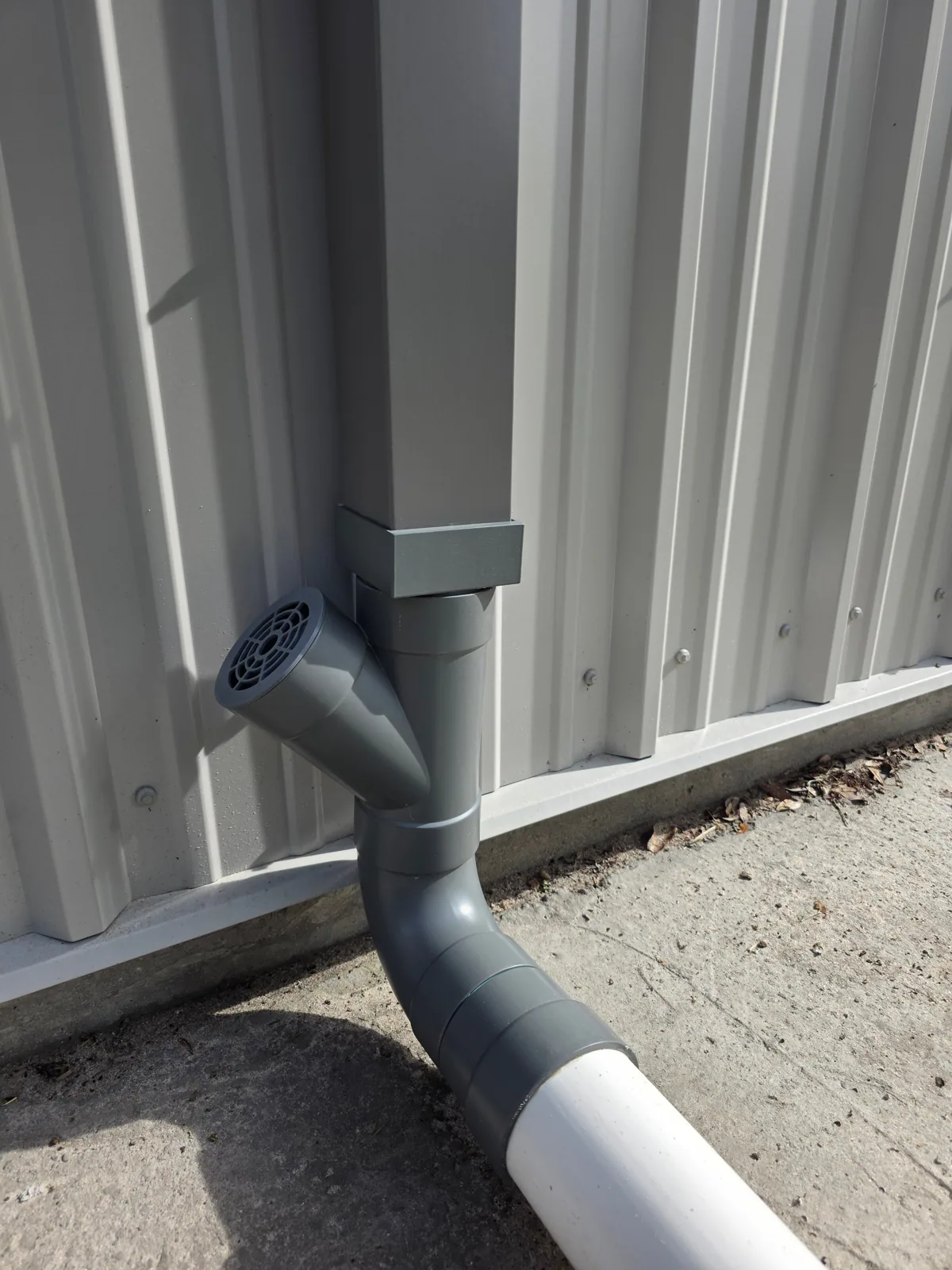
Gutters and downspouts carry water beyond the roof edge, so a roofing scope should note where collection, overflow, or discharge occurs. We look for debris, failed hangers, standing water, open joints, and signs that runoff repeatedly spills behind the fascia. The discharge route may be outside the roof contractor's work area; when so, the report should identify the handoff instead of implying that a roof-edge repair corrects a ground-level drainage problem. Columbia's spring rainfall is regionally high, and summer storms can produce heavy rain over localized areas. That supports careful inspection of water paths, not a claim that one specific gutter is undersized. Drain and scupper work can be reviewed with the roof plan when water crosses several planes. For a property in the Columbia Regional Airport area, as elsewhere, access and staging are confirmed with the owner or site contact; nearby land uses alone do not establish building rules. The work plan should specify how open edges are protected overnight and how runoff is directed during the repair. It should also identify whether existing leaders will remain in place, be temporarily disconnected, or require separate plumbing work. This distinction matters because water management continues past the roof edge, and the owner needs to know which trade or maintenance contact is responsible for the next connection.
What should the completed edge work document?
Closeout photographs should show the repaired run, corners, joints, membrane termination, and connection to adjacent surfaces. The record identifies which elevation and length were completed and lists any rust, loose metal, or gutter section left outside the scope. If concealed backing or membrane damage changed the work, the file should note the discovery and the approved change. For replacements, record metal profile, finish, splice treatment, and attachment approach so a future inspection can compare the same detail. The City's 2024 commercial plan-review package includes existing-building provisions; if the work expands into a larger alteration, the applicable permit questions should be checked for that scope. This is particularly important when edge work accompanies reroofing or changes how water exits the building. Occupied-building work planning can help coordinate roof access and perimeter phases. A follow-up visit after wind or heavy rain can check the completed joints and discharge path, while a dated condition record keeps remaining edge concerns visible for the next maintenance cycle. The closeout should separate photographed completion from future monitoring. For example, a repaired splice can be marked complete while an adjacent corroded length remains listed for review. Clear boundaries help a later estimator or facility contact understand what the last crew did and which items still need a decision.
Record the elevation, edge run, material, fastener or cleat condition, splice locations, and any transition to membrane flashing. Photographs should show both the repaired connection and enough wall or roof context to relocate it. If a gutter or downspout was part of the scope, identify the section cleared or repaired and any discharge issue that remains outside the contract. Columbia's winter freeze-thaw cycle can expose movement at metal joints and terminations, while storm winds can place added demand on perimeter details. The inspection record should distinguish a loose component from damage to the underlying substrate and note when a return check is warranted.
Commercial Roofing Questions
Does a loose coping cap always require full replacement?
No. The correct scope depends on the metal, attachment, backing, and membrane termination below it. We document whether the failure is isolated or repeated along the run before comparing repair with replacement.
Can new gutters stop a roof leak?
They may correct overflow or a failed collection detail, but a leak can also come from membrane, flashing, wall, or penetration conditions. We trace the water path and state which components the proposal includes.
Should damaged edge metal be repaired immediately after wind?
If an opening leaves the roof exposed, temporary protection may be needed after safe access is confirmed. The permanent repair scope follows a closer inspection of attachment, adjacent membrane, and any damage below the metal.
Will the work include downspout discharge at ground level?
Only if that work is part of the defined scope. The inspection can note the roof-to-downspout route and identify a ground-level handoff when the discharge connection lies outside the roofing work area.