
Commercial Roofing in Centralia, MO
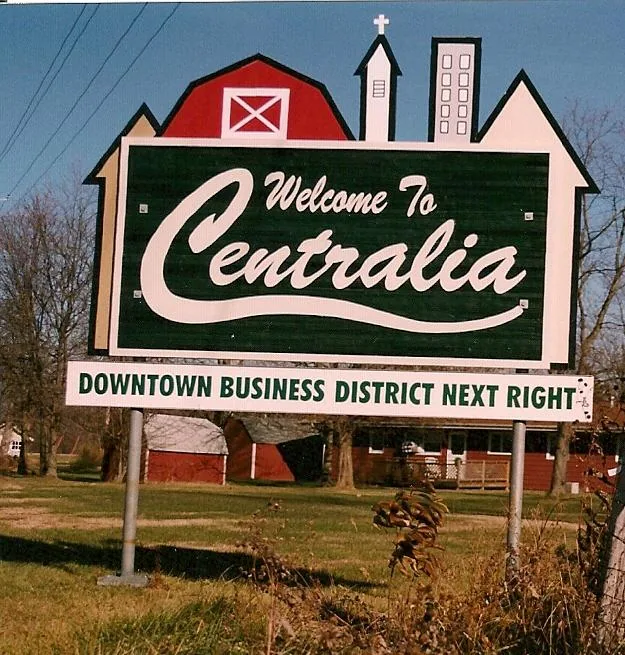
About twenty minutes north of Columbia, Centralia combines manufacturing, local services, retail, and restaurants near the I-70 route. Hubbell Power Systems is a major local manufacturing employer with more than 700 employees, alongside a medical clinic, pharmacy, groceries, hardware and lumber, independent retail, and restaurants. Those facts describe a varied business area, not any one building’s roof assembly or condition. We verify the address and property contact, inspect the authorized roof zone, and record visible details before recommending repair. Columbia-area spring storms, winter freeze-thaw cycles, summer heat, and localized downpours give regional context for follow-up. Each finding stays attached to the Centralia property and the roof area actually reviewed.
Which building is the request about?
Identify the street address, business or facility, owner contact, and roof area where the problem was reported. Centralia’s business mix spans healthcare, manufacturing, retail, and service uses, so access and operating needs can differ from one property to the next. A local employer’s workforce does not establish another business’s property or work schedule. We confirm the building and work authorization with the responsible contact. A commercial roof inspection records the route, roof sections viewed, access limits, and visible conditions at seams, drains, penetrations, flashings, and edges. A wide photo reference and a close view help the owner or facility manager return to the same location. If the request concerns an interior leak, note the room and date first noticed; the water entry can be offset from the ceiling symptom.
Related Roofing Work
More commercial roofing work connected to Centralia in Columbia, MO.
What should be checked before repair?
Start by verifying the roof material from plans or observable details, then follow water paths to drains and inspect transitions at walls, curbs, and penetrations. Photograph visible open seams, damaged flashing, punctures, surface wear, and previous repairs where present. Do not treat an interior stain as proof of a roof opening directly above it. If moisture may extend beneath the surface, testing may help define the boundary. Infrared survey work can flag thermal patterns for confirmation, while a condition report distinguishes direct observation from an unresolved question. The town’s employer count does not establish a roof quantity, system, or building size. Field measurement or owner plans establish project quantities. This keeps the repair proposal tied to roof evidence instead of workforce statistics or a general town description.
How do Columbia-area seasons guide inspection timing?
Spring is Columbia’s wettest season and the period more likely to see supercells capable of hail or tornadoes. Summer heat and localized downpours affect roofs in different ways; damaging winds become more prominent later in the warm season. Winter cycles around freezing and includes seasonal snowfall. These regional patterns support a maintenance calendar but do not show that a Centralia property was damaged. After an event, record the date, reported business area, roof zones checked, and visible change from earlier images. A tornado-related assessment should state which details show impact; a snow and ice review should document drainage and observed accumulation concerns. If an area was inaccessible or the cause remains uncertain, say so and identify the next observation or test needed.
What drives repair scope and timing?
A localized failure may support a repair if the defect is clear and the adjacent roof material can accept a compatible tie-in. We write down the prep, materials, boundary, and conditions excluded. Repeated leaks, separated failures, or wet insulation concerns may require testing before the owner chooses a larger repair. Compare repair, coating, recover, and replacement using substrate, drainage, attachment, insulation, perimeter details, and the roof’s remaining service potential. Cost and schedule also depend on roof access, staging, material availability, work windows, and what appears after an opening. Occupied-building phasing can separate active areas and define end-of-day protection. If the work involves an alteration, the project team checks applicable code requirements with the local reviewer. The field inspection supplies current roof conditions and notes what it could not confirm. Before replacement, review whether insulation and deck remain serviceable, whether drainage can be improved, and how edge or penetration details will be rebuilt. For a coating or recover, confirm compatibility with the existing assembly and whether trapped moisture is a concern. A written comparison should identify the assumption behind each option and what additional opening or test could change it. If a storm-related repair needs immediate cover, show that stabilization separately from the permanent scope and state the return condition for follow-up.
A town business district may include storefronts, offices, service buildings, and separate property owners. Verify the full address and the person authorized to approve roof access before connecting a report with an asset record. Interior symptoms should be labeled by room or suite, while roof observations use a separate location reference.
How should Centralia roof history be maintained?
Save the address, building use supplied by the owner, roof-zone references, inspection date, dated photographs, completed repair, exclusions, and follow-up recommendation. That file helps a later property manager tell whether an issue has returned in the same location or appeared elsewhere. Roof history tracking can coordinate due dates across multiple properties without merging their conditions. Centralia’s business community includes manufacturers alongside clinics, shops, and local services; the business and industrial area is a broader setting for those separate properties. Columbia and Fulton’s employment area are separate markets as well. Each service request should identify its own contact, access rules, and asset. If a recommendation changes after moisture testing or repair, record the finding that changed the boundary and what remains to monitor. A clear handoff prevents old observations from being assigned to a different property. Include the name of the person who received the closeout material so future questions return to the right decision file.
For a local repair, define the material, preparation, tie-in, and nearby area inspected. If the condition appears broader than one detail, identify what additional access or testing would clarify it. A closeout note should make the next visit practical by preserving the date, photographs, repair boundary, and the person who received the report.
Centralia’s local business mix includes manufacturing employment as well as medical, pharmacy, grocery, hardware, lumber, retail, and restaurant services. That variety makes a town-wide label too broad for an accurate roof file. Identify the particular employer or business, building, roof access point, and reported interior location. If the owner has several facilities, use a distinct property code or building name on every photo and work note. The reported employment scale of a local manufacturer is useful context for coordination, but it does not establish the size, roof type, or operating schedule of a specific facility.
A repair recommendation should make the next decision practical for a local owner: what can be corrected now, what remains uncertain, and what evidence would change the scope. Record any water test or opening, the materials encountered, the repair tie-in, and the sections not inspected. If the issue is near equipment or a production area, ask the facility contact to identify restrictions and document them in the plan. On a return visit, compare the same detail and interior reference. That helps separate a recurring roof path from a new event or unrelated building condition.
Commercial Roofing Questions
Does the Chamber’s employer information identify roof systems in Centralia?
No. It describes local employers and services. We inspect the specific building and verify its assembly before recommending materials or quantity.
Does being near I-70 establish the delivery route?
No. The property contact confirms staging, access, and any local restrictions. The regional route context does not authorize a contractor entrance or material drop point.
What should a business send with a roof leak request?
Provide the address, building or suite, time the issue appeared, interior location, and any past repair photos. We use that context to focus the field inspection.
What if the roof has several unrelated repairs?
We document each condition by roof zone and separate confirmed failures from deferred maintenance. Testing can be added where it would change the scope or renewal decision.