
Fitness Center Roofing in Columbia, MO
Condensation near a locker room and rainwater at a roof drain need separate observations before either becomes a repair scope. We record the room, time, and visible condition, then inspect the nearby roof details and drainage path. Columbia’s colleges include athletic complexes, academic buildings, residences, dining spaces, and performance venues. That mix makes it useful to identify the exact building and roof zone when a fitness facility reports a leak or plans maintenance. Clark Lane Commercial Corridor and Route Z Commercial Corridor include additional institutional settings with their own operating needs. We inspect the actual building and coordinate roof access with the facility contact before recommending a repair, coating, or replacement.
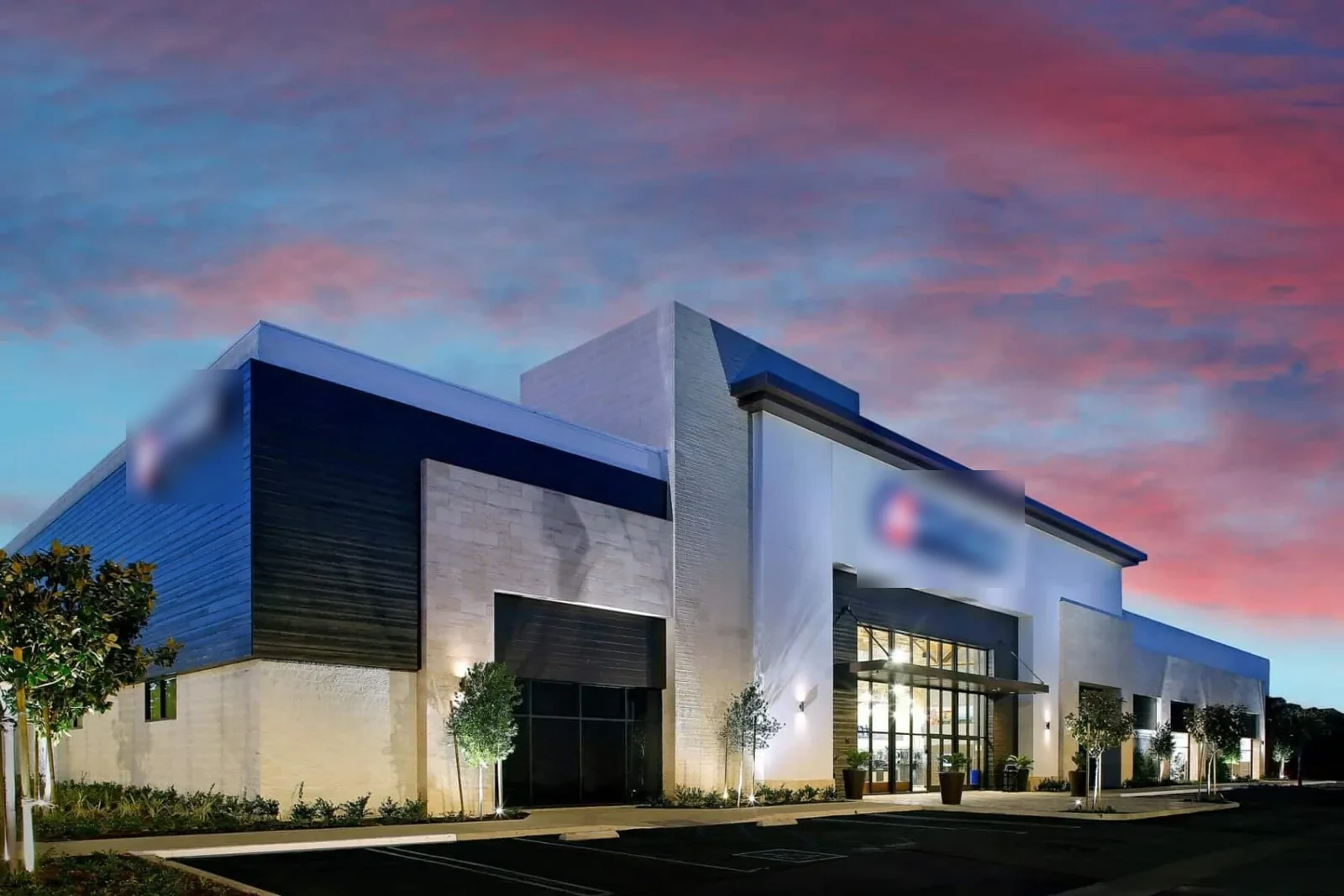
What should be inspected above workout and locker areas?
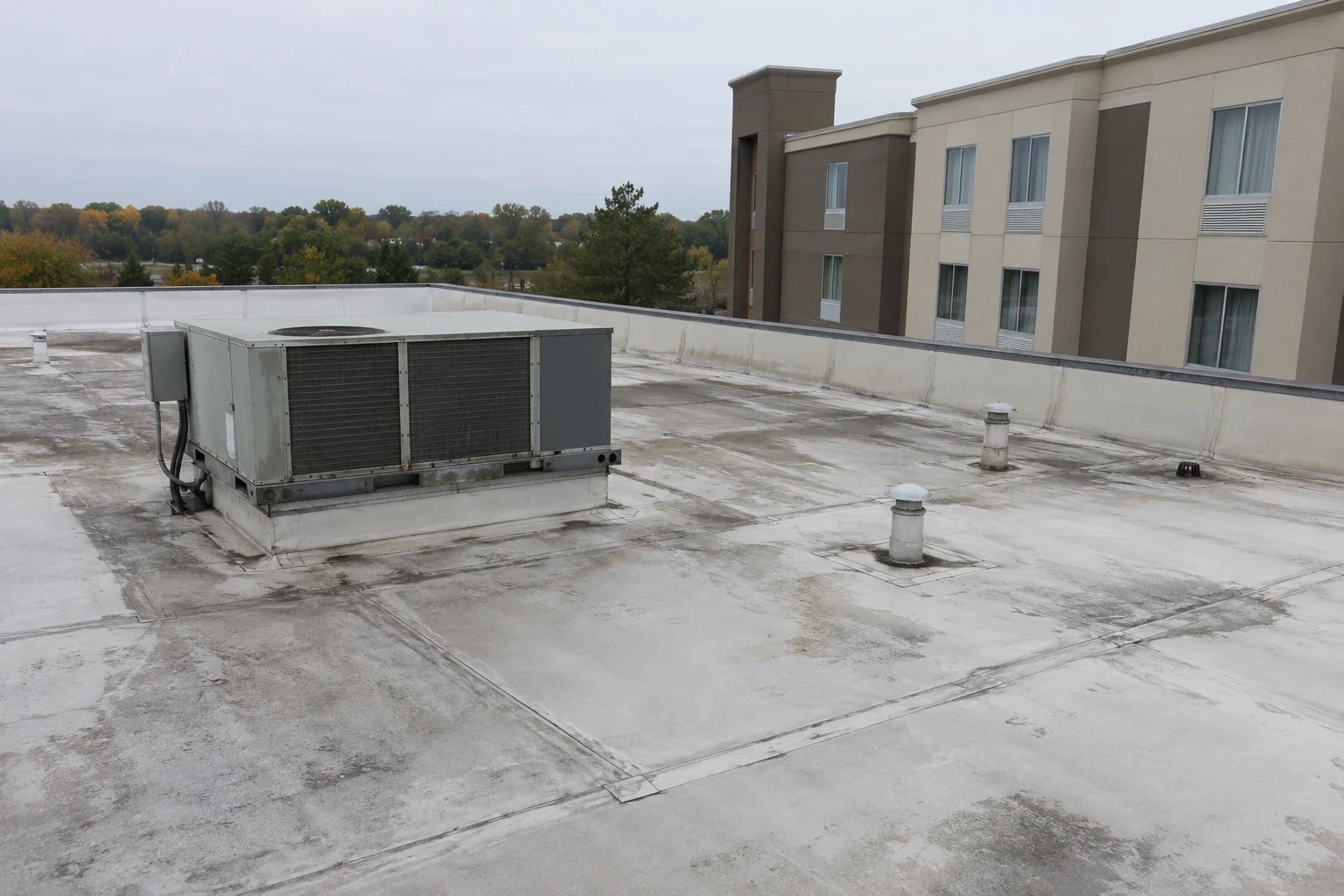
Mechanical curbs, exhaust fans, ducts, skylights, and piping can interrupt the roof surface, while humid interior air may affect how condensation is reported below. We inspect the curb, flashing, membrane or metal around each penetration and look for open seams, loose edges, moisture, or an older patch. A wet ceiling does not by itself tell whether water came from a roof leak, condensation, or a plumbing line. We compare the room report with the roof observation and record what the evidence supports. Equipment curb and support repair can correct a confirmed roof interface. Where showers, pools, or laundry areas are present, the facilities contact should identify exhaust operation and any interior humidity controls that changed near the report date. The roofing inspection remains focused on the roof and its connection to the building. If an interior trade needs to test a separate source, that work should be documented independently.
Related Roofing Work
More commercial roofing work connected to Fitness Center Roofing in Columbia, MO.
How can work fit around classes and member use?
Fitness classes, team practices, event rentals, and member arrivals can concentrate traffic near a small number of doors. The facility manager identifies class times, loading routes, equipment access, and the spaces that must remain open. We map roof zones and staging, then set a daily close-in point that accounts for the path below the work. If a class schedule changes, the work area should be checked with the contact before a lift or delivery is moved. Reroof phasing for an active building can organize those access limits and separate completed work from the next scheduled section. Temporary barriers should be described by location and time, and the closeout note should show when the route reopened. An open facility does not automatically mean every roof section can be worked at once. We choose the sequence from the assembly, weather, and confirmed operating constraints.
Which weather conditions should be in the inspection record?
Columbia winters include repeated freezing and thawing with seasonal snow, followed by a spring that is both wetter and more likely to produce severe storms with hail and tornadoes. Summer thunderstorms can bring concentrated rainfall, and damaging winds become more prominent later in the season. Roof drainage should be checked for clear outlets, low areas, and water that remains after rain, while edges and penetrations need inspection for movement or impact. A weather report is not proof of a roof failure. Drain and scupper service can address an outlet condition; the reported wet area still needs comparison with a roof plan and any nearby curb or seam. Columbia College’s mapped campus includes visitor parking, building access, and accessible entries. For any active facility, its manager confirms where roofing equipment may be staged and how members can reach open entrances.
When does a recurring leak need a broader review?
A single failed flashing or open seam may support a bounded repair when nearby insulation and attachment remain sound. Several reports across different rooms, wet material in separate roof zones, or repeated failures after patching can justify a larger comparison. We document the observed area and identify what could not be tested. A defined roof repair can address a confirmed defect; if deterioration is broader, a replacement proposal can show phases, materials, and protection. A school may have a calendar and campus access pattern different from a commercial gym; school roof work considers that occupancy profile. A college may combine classroom, residential, athletic, and event buildings; university roof planning addresses that property mix. A coating option requires a compatible substrate and sound surface preparation, not simply a preference for fewer seams. The estimate should identify removal depth, tie-ins, equipment coordination, and handling of concealed deck or moisture conditions. Columbia’s 2024 code package applies based on the work submitted for review and the assembly being changed.
Fitness centers can combine workout rooms, locker areas, food service, and equipment spaces under one roof. The interior report should identify the room and time, while the roof record names the nearest drain, curb, seam, or transition inspected. That pairing helps distinguish an active entry point from moisture that traveled through the assembly before appearing below.
What should a fitness facility keep after roof service?
Keep a roof plan, room and roof-zone identifiers, dates, photographs, work orders, materials, and equipment service notes together. Mark whether a section was visually inspected, tested, repaired, or left for follow-up. If a future ceiling report appears after a class or event, staff can compare its location with the roof history without treating timing as proof of cause. Preventive roof maintenance can revisit known drains, seams, and curbs on a documented schedule. A roof condition file should note any room or roof area that could not be accessed and who will arrange the next visit. Store proposed work apart from completed repairs, and keep closeout images with the area label and date. If a class schedule or equipment layout changes after the project, add that date to the facility file so future access planning starts from the current conditions.
Before selecting a repair, confirm whether the surface around the defect remains dry and accepts a compatible tie-in. If work affects a member entrance or class area, the sequence should show the protected zone, delivery route, and reopening point. A closeout photo should include enough surrounding detail for staff to relocate the repair during the next maintenance visit.
Keep any work area, temporary closure, and reopening time beside the roof-zone photographs. A facility manager can then match a member report to the roof section and see whether the water path crossed a locker room, studio, or equipment space. Record any follow-up inspection after rain, especially where drains or rooftop equipment were near the repair. Do not use an interior odor or damp surface by itself to diagnose the roof; note what was measured or seen and which next step can confirm the condition. This keeps the maintenance file useful when staff rotate between shifts.
Commercial Roofing Questions
Can members keep using the facility during reroofing?
The manager identifies class schedules, entrances, and areas that need to remain available. We set work zones and protection around those limits, then report the area completed and any route that remains restricted.
How can staff distinguish a roof leak from condensation?
The room location and timing help guide inspection, but the roof surface, penetrations, and interior conditions need separate checks. We document the observed roof evidence and do not assign a roof cause without support.
What roof details are common around fitness equipment?
Where present, inspect exhaust curbs, rooftop units, ducts, vents, skylights, and nearby seams. Each interface should be photographed with enough surrounding roof area to relocate it on a later visit.
When should a facility compare a repair with replacement?
A single failed detail may be repaired if the adjacent assembly remains serviceable. Recurring reports, broad moisture, or deterioration across multiple zones can support comparing a larger project and its phases. We describe work by the roof areas supported by inspection.