
Cool Roof Installation in Columbia, MO
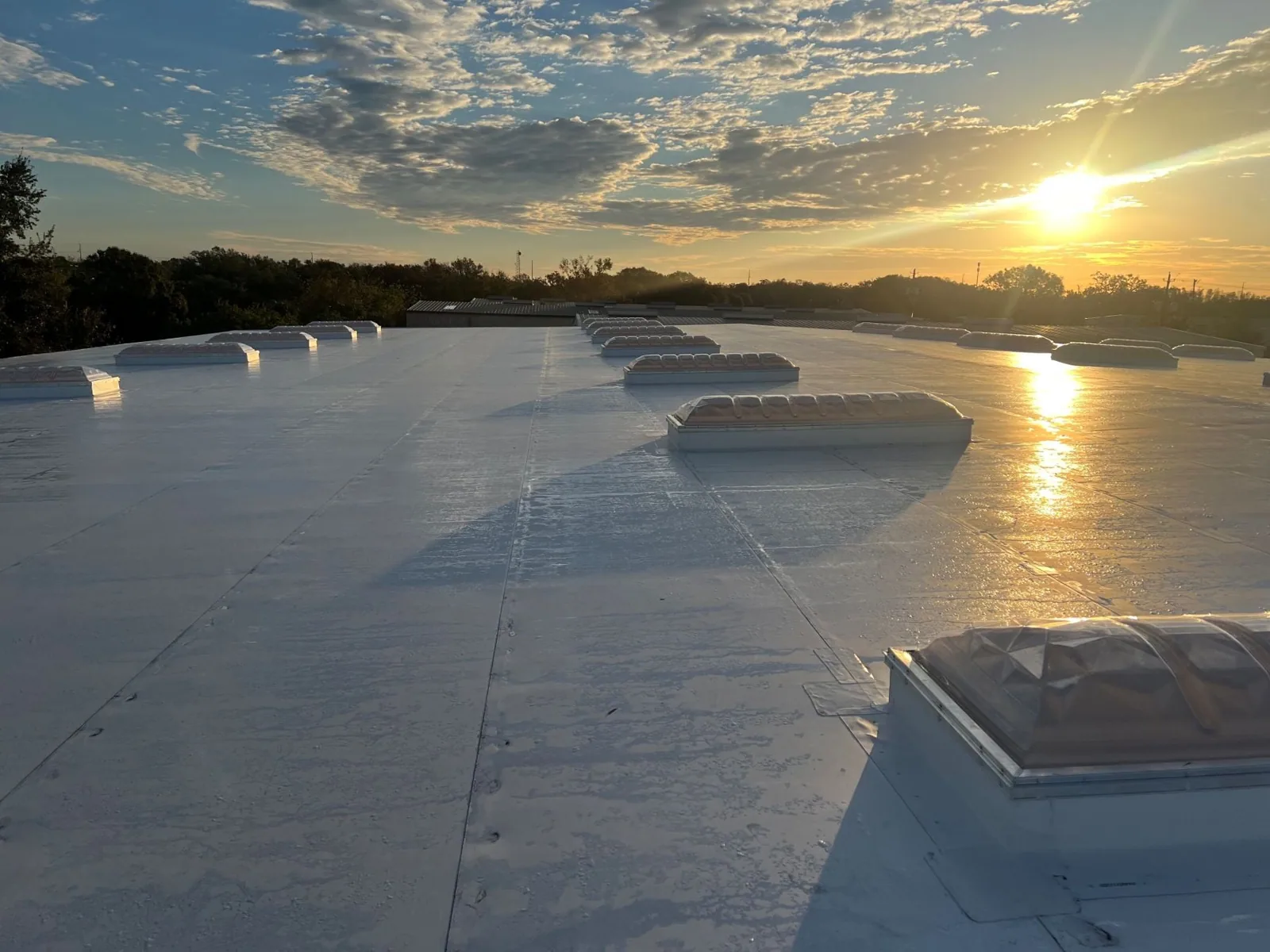
A white roof can reflect more sunlight than a dark surface, but the building owner still needs an assembly that fits the roof underneath. Columbia averages 34 summer days with highs of at least 90 degrees, and two days reaching 100 degrees in a typical year. That heat exposure makes surface reflectance worth evaluating, especially when a roof is already due for restoration or replacement. It does not establish a specific cooling or energy savings for an individual building. We check the existing membrane, insulation, drainage, equipment, and repair history before comparing a reflective membrane with a coating option. The District in Downtown Columbia includes a dense mix of commercial and civic properties, while the Forum Boulevard Corridor includes laboratory and research facilities in its inventory. Those facts illustrate different local property settings, not their roof colors or energy use. The proposal should name the system and describe its preparation, edge details, drainage limits, and maintenance needs so the owner can compare a cool-roof option with the assembly condition actually found.
When does a reflective roof make sense?
A reflective surface can be considered during a planned reroof, a suitable coating restoration, or a repair that already requires replacing a roof section. We first determine whether the existing assembly is dry, stable, and able to support the chosen system. A cool surface does not correct wet insulation, weak attachment, failed flashing, or poor drainage. If the current roof is near the end of its service life, the decision may be between a new membrane assembly and a qualified restoration coating. If only part of the roof is being replaced, transitions between old and new areas need a clear design. The scope should mark where the reflective system begins and whether adjoining sections remain unchanged. We also review existing roof layers, penetrations, and perimeter terminations that could affect continuity. Coating restoration can be reviewed when the substrate and adhesion are suitable, while replacement planning can compare a new roof assembly. A condition review can also document where the existing roof is ready for work and where testing or removal is needed. The inspection record should include the roof sections and conditions used for that decision, rather than assume color is the only relevant factor.
Related Roofing Work
More commercial roofing work connected to Cool Roof Installation in Columbia, MO.
Which cool-roof system should be compared?
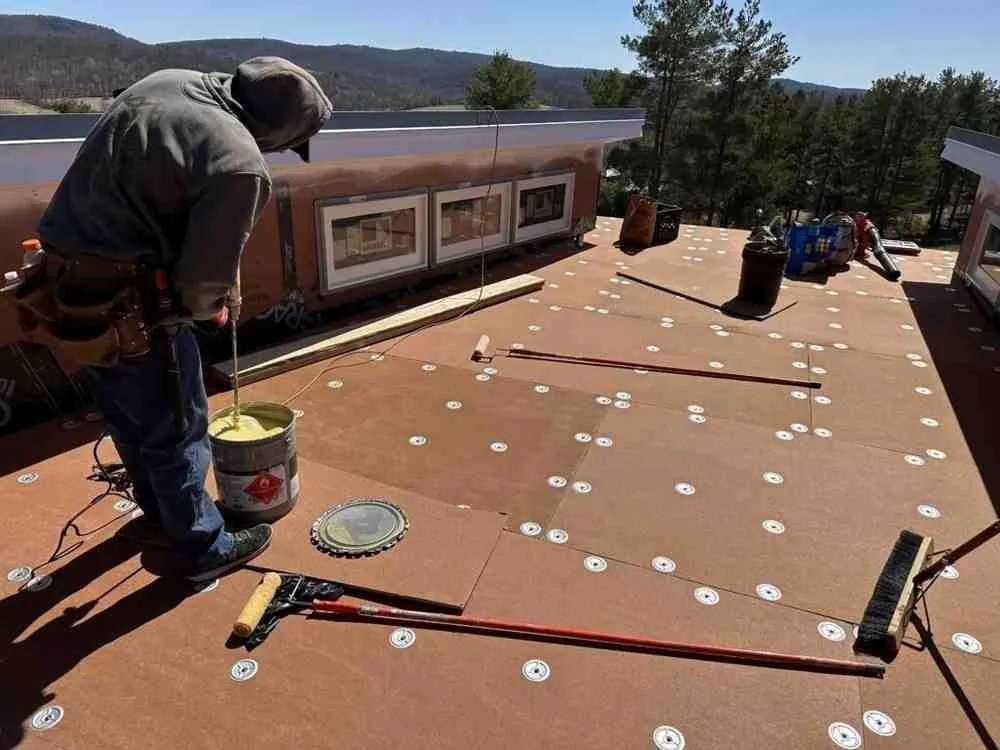
Reflective single-ply membranes and compatible liquid-applied coatings are different assemblies. A membrane scope includes substrate preparation, insulation and cover board where specified, attachment, seams, flashings, and edge terminations. A coating scope depends on an existing roof that can be prepared and bonded, with repairs and reinforcement completed before application. Product choice follows the existing roof, desired service approach, foot traffic, equipment clearances, and warranty requirements set by the manufacturer. We do not assign a percentage reduction in energy use without building-specific data. A TPO roof system or silicone coating may be compared when compatible with the substrate and project design. A condition report can show the findings behind the recommendation, including moisture areas and unresolved details. The proposal should also identify whether the reflective surface is factory-finished or field-applied, and how color or appearance may change with dirt, weathering, or later repairs. Owners who want to test operational impact should identify a baseline period and account for HVAC schedules, occupancy, and other building changes before comparing utility records.
What affects installation timing and performance?
For membrane installation, dry substrate and secure attachment are central to a sound roof. For coating, surface cleanliness, temperature, moisture, and cure conditions affect application. Columbia's summer storms can produce intense localized rain, while winds can become a later-season concern. The work plan should identify what can be left open overnight, which zones can be completed, and how exposed areas will be protected if weather changes. We coordinate drain protection, equipment clearances, staging, and the building's roof-access process before work starts. Any request to keep an intake, unit, or route available should be confirmed with the property's contact. The daily close-in plan should list the last completed seam or coating boundary, not just the square footage covered that day. If the forecast changes, the crew can then identify which transitions need temporary protection and what remains for the next shift. Drainage review can be part of the scope if the surface change or roof work intersects with outlets. For a building that remains in use, occupied-building sequencing can separate active roof zones and planned tie-ins. A reflective system needs the same careful flashing, termination, and water-management details as any other assembly.
How can an owner evaluate the finished roof?
Closeout should identify the completed sections, system materials, repair details, and any area outside the scope. Photographs show seams, flashings, drains, curbs, and roof edges as finished. If a reflective coating was applied, the record should note preparation and the areas that received the specified coats; if a membrane was installed, it should identify the assembly and tie-in points. A property owner can compare indoor comfort or utility usage later, but a measured result requires a defined baseline and building data. Columbia uses the City's 2024 code package for commercial review, including existing-building and energy provisions. A change in roof assembly may require project-specific review. Maintenance visits can track changes in the reflective surface and inspect drains after weather exposure. Comparing dated photos and operating information over time gives the owner better context than a color change alone. The record should also note whether future rooftop work could damage the surface and how those areas should be inspected afterward. If another trade later opens the roof, the owner can use the closeout images to verify that the repair returns the membrane or coating to its specified condition. The record should preserve the selected finish and product identification so later patch materials can be checked for compatibility.
Compare the completed system with the approved assembly and the performance goals set for the property. The closeout should identify the roof areas treated, materials installed, repaired details, drainage conditions, and any exclusions. A reflective finish does not correct wet insulation, open flashing, or ponding by itself, so note how those conditions were handled before the new surface went down. Columbia averages hot summer days, including periods above 90 degrees, which can make surface and scheduling considerations relevant; the choice still depends on the existing assembly, building use, and project design. Set the first inspection point so the owner can track wear and drainage after installation.
Commercial Roofing Questions
Will a cool roof lower my energy bills by a fixed amount?
We cannot assign a savings figure from roof color alone. The result depends on the building, insulation, HVAC operation, occupancy, and weather. We can document the assembly and help identify what operating data an owner would need for a comparison.
Which existing roof conditions rule out a reflective coating?
No. The roof must be compatible, dry enough, properly prepared, and stable at seams and details. We check adhesion and moisture where needed, then identify repairs or conditions that make coating unsuitable.
Does a reflective roof remove the need for insulation?
Reflectance and insulation perform different roles. We evaluate the existing insulation, deck, assembly design, and applicable code requirements rather than treat a reflective finish as a substitute for thermal layers.
How do storms affect a cool-roof installation?
Rain and wind can interrupt preparation, membrane work, or coating cure. The schedule should define daily completion zones and protection for any exposed roof so the building does not depend on a forecast alone.