
Commercial Roofing in the Conley Road Corridor, Columbia, MO
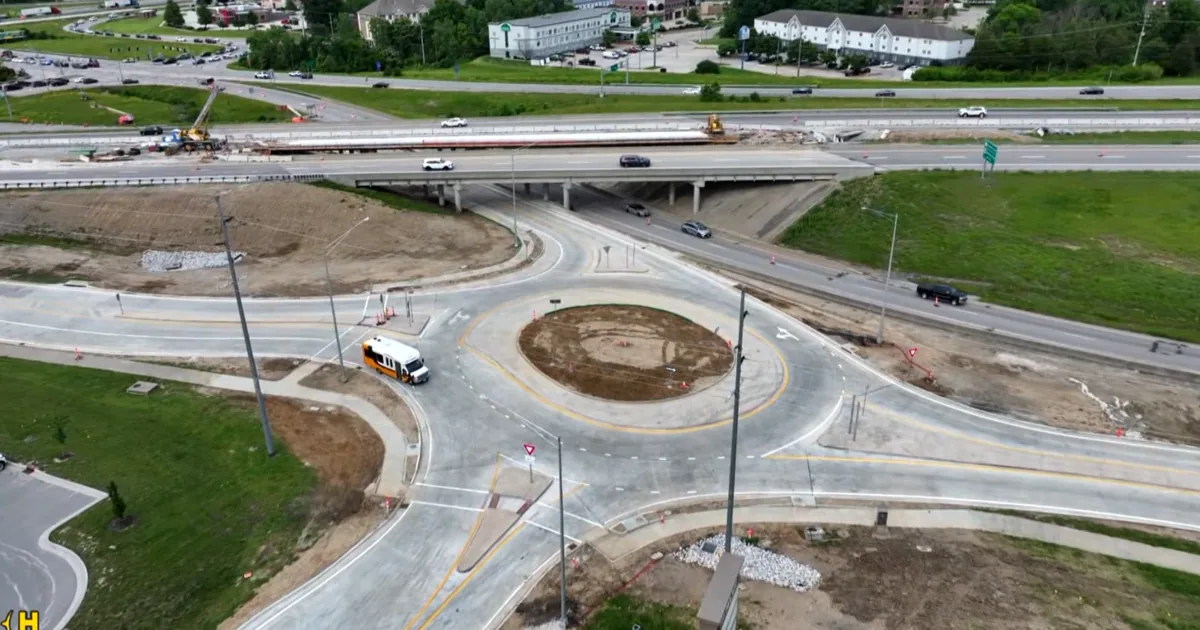
Business Loop 70 reaches Conley Road at a signalized eastern intersection amid retail and industrial uses. Its extension includes a bridge over Hinkson Creek, placing the corridor within Columbia’s east-side commercial network. We confirm the specific property, delivery schedule, and roof access before a crew is dispatched. The inspection records drainage, seams, flashing, curbs, and perimeter conditions by roof zone, then separates visible defects from questions that require testing. Spring rainfall, later-season wind, and winter freeze-thaw help set comparison dates. The observed roof condition, not the road’s mix of businesses, determines the repair boundary.
What should an owner define before a Conley Road roof visit?
Name the property, building, roof zone, and question the inspection is meant to resolve. The corridor includes retail and industrial uses, while each owner confirms the property schedule, installed roof materials, and equipment layout. A documented roof inspection records the system only when it can be confirmed, then locates visible seams, drains, curbs, flashing, and edge details. We also identify which areas were reached and what remained outside the visit. Before estimating a repair, the owner confirms access, delivery hours, staging limits, occupied rooms below, and who accepts the close-in check. These are building-specific constraints. They belong in the sequence and proposal so the expected work is clear, based on the property owner’s operating requirements and actual site conditions.
Related Roofing Work
More commercial roofing work connected to Conley Road Corridor in Columbia, MO.
How do we distinguish weather exposure from roof damage?
Columbia’s spring is its wettest season and carries a greater chance of severe storms that can produce hail or tornadoes. Summer downpours may be localized, later-season damaging winds raise separate concerns at edges, and winter brings recurring freeze-thaw movement and seasonal snow. Seasonal changes make dated inspection comparisons useful. After a reported event, we document displaced edge metal, open laps, punctures, flashing changes, and drainage conditions that can be seen from the authorized roof area. After a reported storm, we photograph visible displacement, open laps, punctures, debris impact, and flashing conditions only where found. The record names the roof area, date, and observation, then compares available earlier photos to separate a new change from existing wear. A wind review can document edges and terminations; hail documentation should describe impact evidence without treating every surface mark as storm damage. If the cause remains uncertain, we name the next check instead of overstating what the visit established.
At a commercial property near a major roadway, roof access and material handling can affect the work sequence as much as the repair itself. A small patch may need a ladder or lift, safe material storage, and a clear temporary seal if the roof is opened. A broad replacement can involve phased tear-off, protection for interior operations, and debris removal coordinated with deliveries. We confirm those logistics on the property rather than infer them from traffic access. If the roof has multiple tenants or separate structures, the scope names each work zone and the boundary between it and adjacent areas. That prevents a corridor-level location from becoming an overly broad work order.
Properties with both customer-facing and service areas can need different work windows on the same roof. We identify where access equipment can be set, how materials move, and which entrances must remain open. A limited repair may be staged around active deliveries, while a larger reroof can require a planned sequence by roof section. The scope should name the temporary protection at each stop point and the person who verifies close-in. Those details turn a general schedule into a practical plan for the actual building.
Where a commercial property has separate tenant or service zones, note who controls roof access and which interior areas need protection. We can stage a repair by section, document each daily close-in, and show what remains for another trade. The owner receives one clear record for the roof work and any open handoff.
What belongs inside a defined repair boundary?
A repair scope should identify the observed defect, preparation, compatible material, tie-in limits, and nearby conditions left outside the work. A bounded seam or flashing failure may support a local repair when surrounding material is suitable. Recurring water entry, suspected wet insulation, or failures in several roof zones can justify a test before choosing a larger scope. Infrared moisture survey work can identify patterns that need confirmation, but the scan alone does not establish wet material or the source of water. If an opening is needed, record its location and the decision the result could change. Compare repair, coating, recover, and replacement only after reviewing the actual assembly, drainage, insulation, attachment, and perimeter details. Work at an occupied commercial property needs a daily opening limit and a defined close-in method approved by the owner. That sequence is part of the scope, not an afterthought.
How can roof work fit an active commercial property?
The site contact establishes work hours, access controls, staging, routes, and any interior conditions requiring protection. We translate those instructions into a sequence that limits the area opened at one time, identifies the temporary weather seal, and records who verifies the roof before the crew leaves. A small repair may need a shorter window than a broader replacement, but the actual condition and the facility’s requirements decide the sequence. Occupied-building phasing can separate zones and show daily close-in points. Where urgent stabilization is needed, emergency response can address immediate exposure before a permanent scope is confirmed. The property contact confirms the work schedule and operating requirements for the building. The facility contact provides the current rules. We note access limitations and work restrictions in the job record so a later reviewer can understand why some area was not inspected or why the sequence changed.
For a care facility, the site contact should identify authorized roof access, occupied spaces below, secure routes, and any scheduling restriction before the crew arrives. We document the areas reached and keep any inaccessible section outside the inspection conclusion. The building identifier should match the owner’s asset record.
What makes the next inspection more useful?
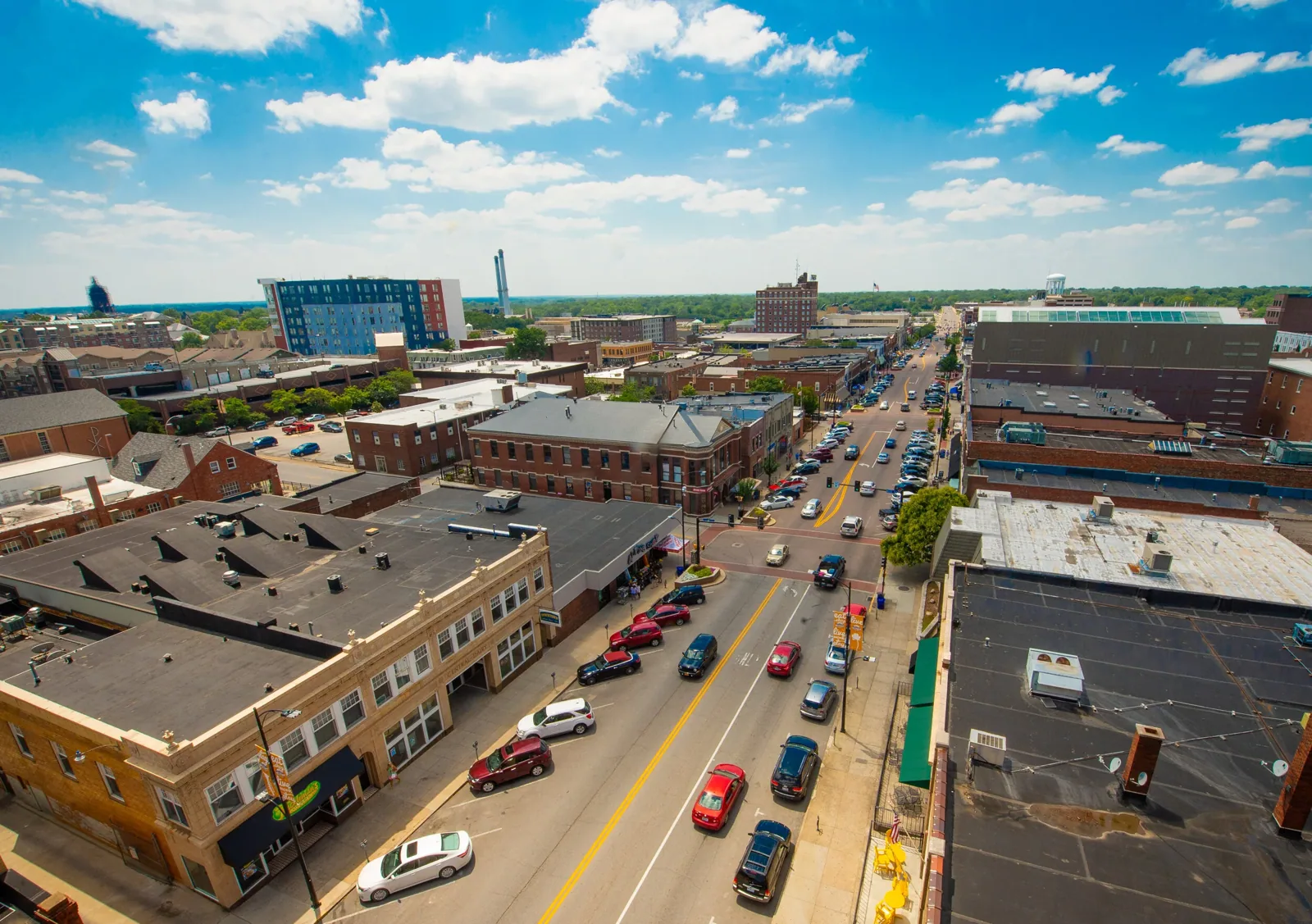
Retail and industrial uses along the Conley Road end of Business Loop 70 make this a mixed commercial service area. A property can include separate roofs, service penetrations, and delivery constraints, so the owner’s asset list should drive inspection scope. We record each structure and roof zone separately, then document repair limits, staging assumptions, and open questions. The Route Z corridor and Columbia service area are broader references, not substitutes for a building record. Keep closeout photographs with the work order and state which drain, seam, or edge was restored. If the roof still needs monitoring, give the next check a date or condition that will prompt it.
Commercial Roofing Questions
What does the Conley Road land-use description tell us about a roof?
It locates retail and industrial uses along the corridor. It does not identify the assembly, size, or maintenance status of any property. Those details come from records and an authorized field inspection.
How should a roof be inspected when deliveries continue?
The owner confirms delivery periods, lift placement, material staging, and vehicle routes. We sequence the work area and debris handling around those constraints and define how the opened section will be protected at close-in.
Does a ponding area always mean the roof needs replacement?
No. We check drainage paths, drain condition, slope, membrane seams, and evidence of moisture below the surface. The report separates a correctable obstruction from a broader drainage or assembly issue.
What should be compared after a repair?
Use dated photos and the marked roof-zone reference to revisit the same seam, curb, drain, or edge. Record whether water entry stopped, whether the repair remains bonded, and whether any adjacent area changed.