
Military Hangar and Maintenance Facility Roofing in Columbia, MO
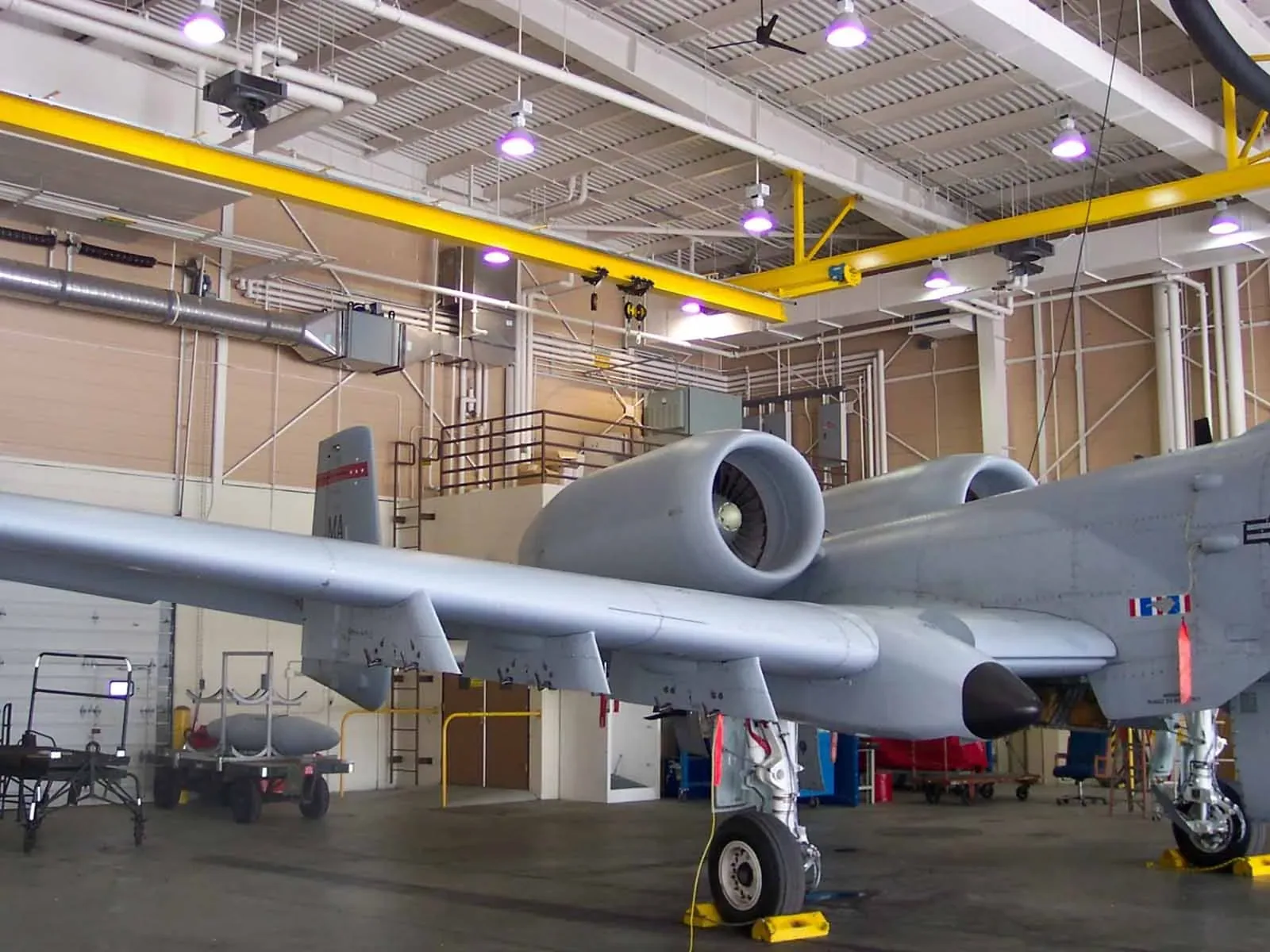
The Cooper Flight Facility’s hangar has a roof project that pairs existing membrane replacement with a solar array installation. Jefferson City Readiness Center 2, also identified as the LAASF site, places that aviation facility about 27 miles southwest of Columbia. In Columbia, MO, the regional airport supports general aviation and aircraft maintenance providers, but that does not identify a military hangar on its field. Each military maintenance building needs a site-specific review of roof spans, penetrations, equipment, and secure access. We trace the reported condition, identify the roof area it affects, and document the work boundary before installation. Ashland, MO is one local aviation setting; the Guard hangar at Cooper Street has a separate owner, operating requirements, and project scope.
What has to be settled before mobilization?
Military sites can require badging, escort, approved photography, vehicle checks, and scheduled access windows. The installation contact identifies those rules, aircraft movement periods, no-entry areas, and the spaces where lifts or materials may be staged. We coordinate the roof sequence against that information before bringing equipment through the gate. A hangar door may need a clear travel path, and maintenance work below can restrict overhead activities. Each restriction belongs in the work plan with a named contact for changes. Roofing on military installations can include UFC-driven submittals, access coordination, and project-specific closeout requirements. We follow the site’s approved process and keep roofing work separate from aircraft relocation, electrical isolation, or equipment service unless those tasks are included in the written scope.
Related Roofing Work
More commercial roofing work connected to Military Hangar and Maintenance Facility Roofing in Columbia, MO.
How should a reroof coordinate with solar work?
A membrane replacement that shares a schedule with solar installation needs clear sequencing for the roof surface, attachment points, penetrations, and electrical work. The owner should confirm who designs the mounting system, who installs each flashing detail, and when the roofing contractor can inspect the finished interface. Work should not leave an unprotected membrane opening or an unapproved attachment. At the Jefferson City hangar, the planned membrane replacement and solar array make that coordination a defined project issue rather than a generic upgrade. Solar-ready roof preparation can address membrane condition, supports, and detailing before panels are set. We record approved attachment locations and any limitations, then photograph the final tie-ins. If the array is installed after roofing closeout, the roof interface should be inspected again and the change added to the building’s roof history. The project schedule should identify when membrane work is complete, when penetrations are made, who seals each support, and how the completed tie-in will be accepted. Separate records for electrical testing and roof watertightness help the owner locate responsibility if a later observation occurs.
What roof conditions should a maintenance facility track?
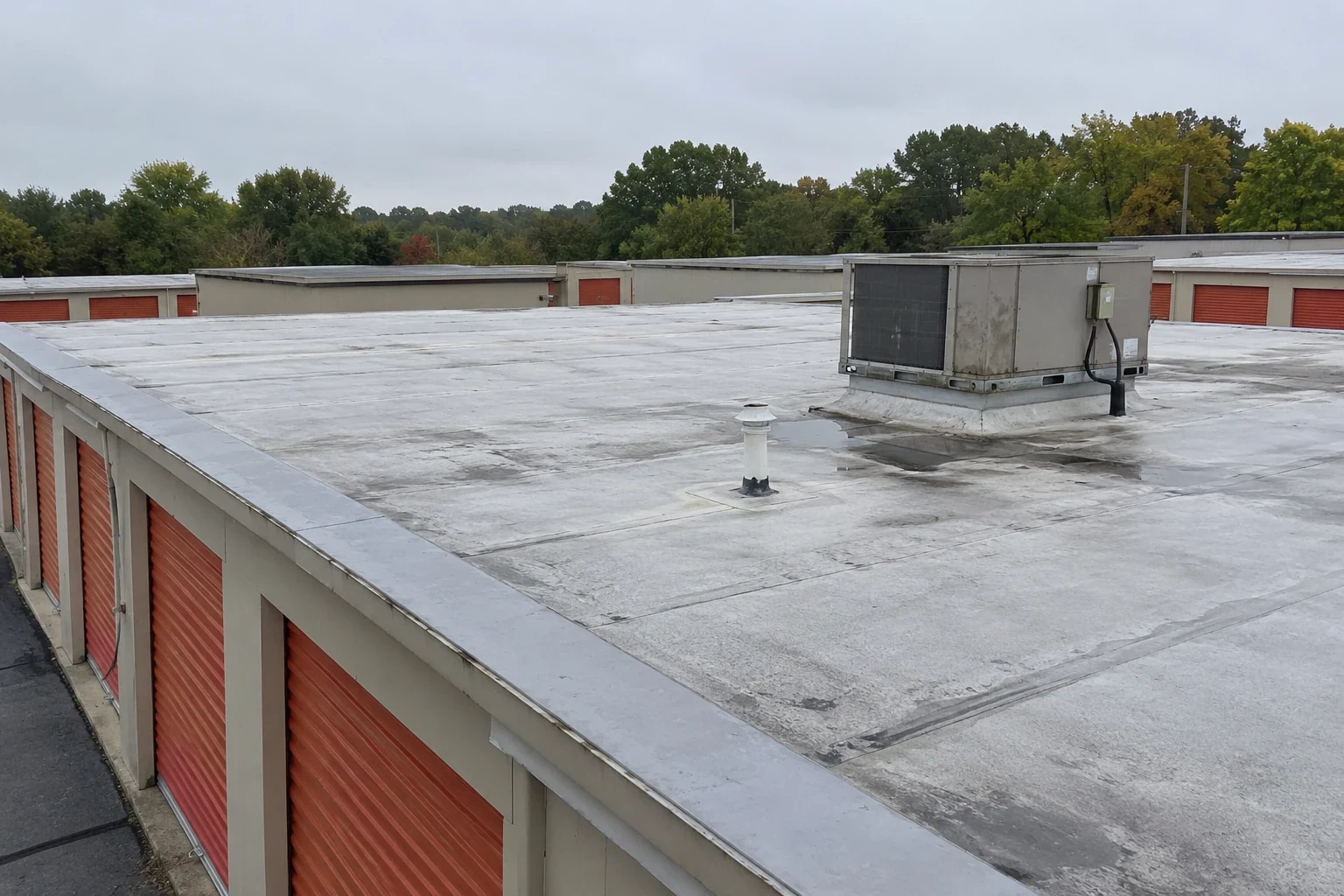
Long roof spans, door openings, and equipment penetrations can concentrate movement at panel laps, perimeter edges, and transitions. We inspect membrane seams or metal fasteners as appropriate to the actual assembly, then check curbs, ridge details, eaves, drains, and prior repairs. Water at the interior may travel from a distant opening along a deck or framing, so the first stain is only a starting location. A roof inspection with labeled photographs can connect the report to the bay and distinguish visible evidence from areas that need testing. Columbia winters cycle through freezing conditions and seasonal snow; its wet spring brings a greater chance of severe hail and tornado-producing storms. These conditions inform the inspection and protection plan, but only observed evidence supports a repair recommendation. A drain issue and a loose panel should not be combined into a single unexamined scope. Hangar doors also create a high-use perimeter where tracks, jambs, wall panels, and roof-edge flashing may meet. We record the door number or bay, inspect the roof-side transition without disturbing the door mechanism, and note whether a service contractor needs to be present. If water appears after door operation, that timing can be kept with the report but does not identify the source by itself. The repair boundary should show whether the roof detail, wall connection, or a separate building component is included. That distinction supports a focused estimate and a useful follow-up inspection.
When should the owner move beyond a spot repair?
A single puncture or failed curb can be repaired when the adjacent membrane remains dry and secure. Multiple bays with wet insulation, repeated movement at the same edge, or widespread seam deterioration may support a broader renewal comparison. We record the area inspected, the testing performed, and the locations still concealed. A bounded roof repair should identify compatible materials and the tie-in point; replacement planning should state removal depth, daily dry-in limits, and how aircraft or maintenance activity below will be protected. Where the roof is metal, a retrofit metal assembly may be considered only after the existing structure and attachment conditions are checked. A membrane replacement and a coating restoration solve different conditions, so the estimate should keep them as separate options where each is technically appropriate. Columbia’s 2024 commercial code package applies according to the submitted alteration and assembly changes.
Which records should stay with the hangar?
Retain the approved access plan, bay map, dated inspection photos, assembly description, submittals, tie-in details, solar interface drawings, work authorization, and closeout images. Identify which party accepted the roof area and which item remains open. The same records should show temporary protection, inspection limits, and any return visit needed after equipment installation. Columbia Regional Airport offers general-aviation support, aircraft maintenance providers, and public safety services, while the Guard’s Cooper Flight Facility includes aviation and civil-support units. Those facts describe separate sites; work instructions and property contacts should stay specific to the installation named in the contract. Guard armory roof scopes and military lodging buildings have different structures from an aircraft maintenance hangar. A condition report can preserve what the inspection established and what needs another check. Keep the building record current when the solar array or equipment changes after the reroof.
Maintain one work record for the roof assembly and a related coordination record for aircraft, vehicle, or solar work that affects access. Identify the building and bay, the assembly observed, the repair detail, and any equipment or array interface reviewed. The closeout should include photographs, material records, areas not reached, and the date of the next inspection. A nearby Jefferson City Guard project includes a hangar roof and solar array, illustrating why those scopes need coordinated flashing and equipment interfaces. The Columbia building still requires its own roof and attachment review before those details are applied. Keep recommendations tied to the assembly observed and work authorized at the facility.
Commercial Roofing Questions
Can a military hangar stay active while its roof is repaired?
The installation contact sets aircraft, door, and maintenance limits. We plan the affected bay, staging area, and daily close-in point around those instructions, then document any operating restriction that remains.
What should be coordinated between roofing and solar installers?
Confirm attachment design, approved penetrations, flashing responsibility, and inspection timing before the array is set. The closeout should show the membrane interface and any item awaiting a follow-up check.
Does the Columbia airport identify a military hangar?
The Columbia airport facts establish general-aviation support and aircraft maintenance providers. A military hangar identified in the local area is at Jefferson City Readiness Center 2, so its access and scope are handled as a separate site.
How should a leak in a maintenance bay be documented?
Name the bay, date, weather, and interior condition, then compare the report with roof seams, curbs, and drainage. We record the observed path and mark any area that remains untested or outside access.