
Medical Office Roofing in Columbia, MO
Clinic ceiling reports should name the room and time before anyone disturbs the affected area. We connect that observation to the roof area, check nearby drains and equipment details, and record the clinic’s actual assembly and condition before recommending work. Medical-office roofing also requires a work sequence that accounts for patient entry, deliveries, and rooms that the operator identifies as sensitive. Columbia includes specialty and community healthcare settings: Hospital Drive medical corridor is a separate specialty-care facility in MU Health Care’s Columbia network, and Boone Health provides community and specialty care. The North Village Arts District is another downtown setting with medical and office uses, and those properties fall within the Columbia service area. An individual clinic still needs an on-site roof review and access instructions from its operator. Local identity does not establish building construction or current condition.
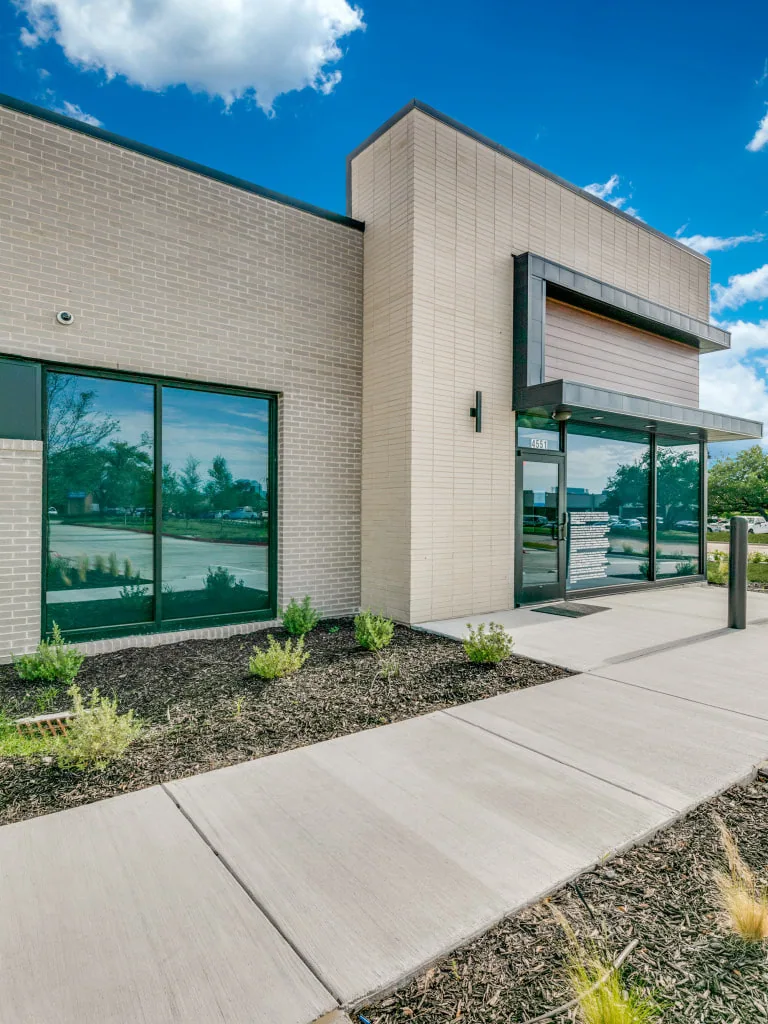
How should a clinic remain accessible during roof work?
The roof plan should be checked against patient entrances, accessible paths, drop-off locations, service doors, and the times when deliveries or appointments are concentrated. We confirm where lifts can stand, what paths need to stay clear, and which roof areas can be completed and closed within a shift. If noise or odor could affect an interior area, the clinic contact identifies the applicable rooms and operating limits. We do not assume that every medical office follows the same schedule. A daily note records the section under work and any change caused by weather or access. Occupied-building reroof planning can coordinate phases and tie-ins. The clinic’s own manager decides patient notifications and route changes, while the roofing scope should say what activity and protection to expect in each zone.
Related Roofing Work
More commercial roofing work connected to Medical Office Roofing in Columbia, MO.
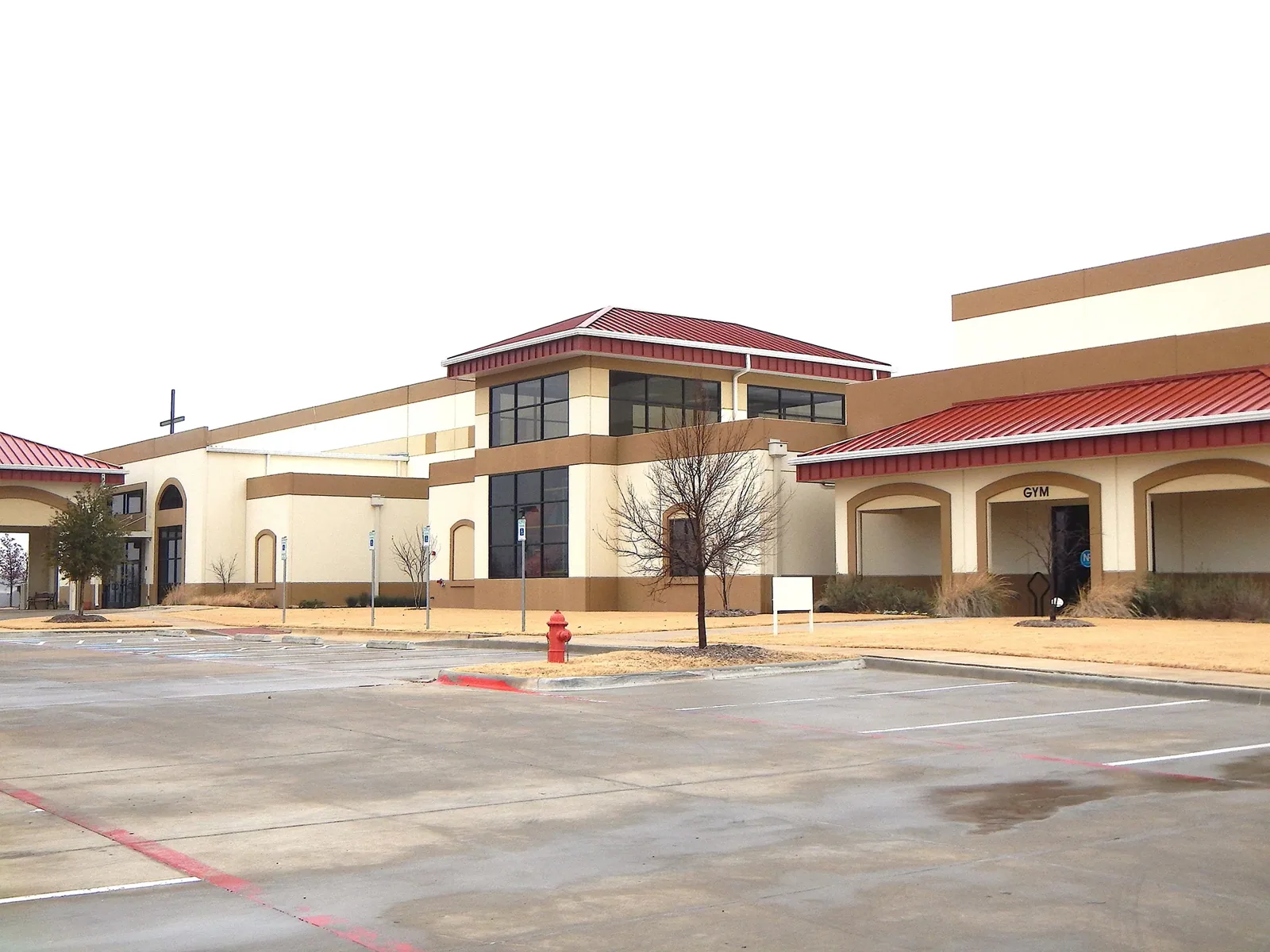
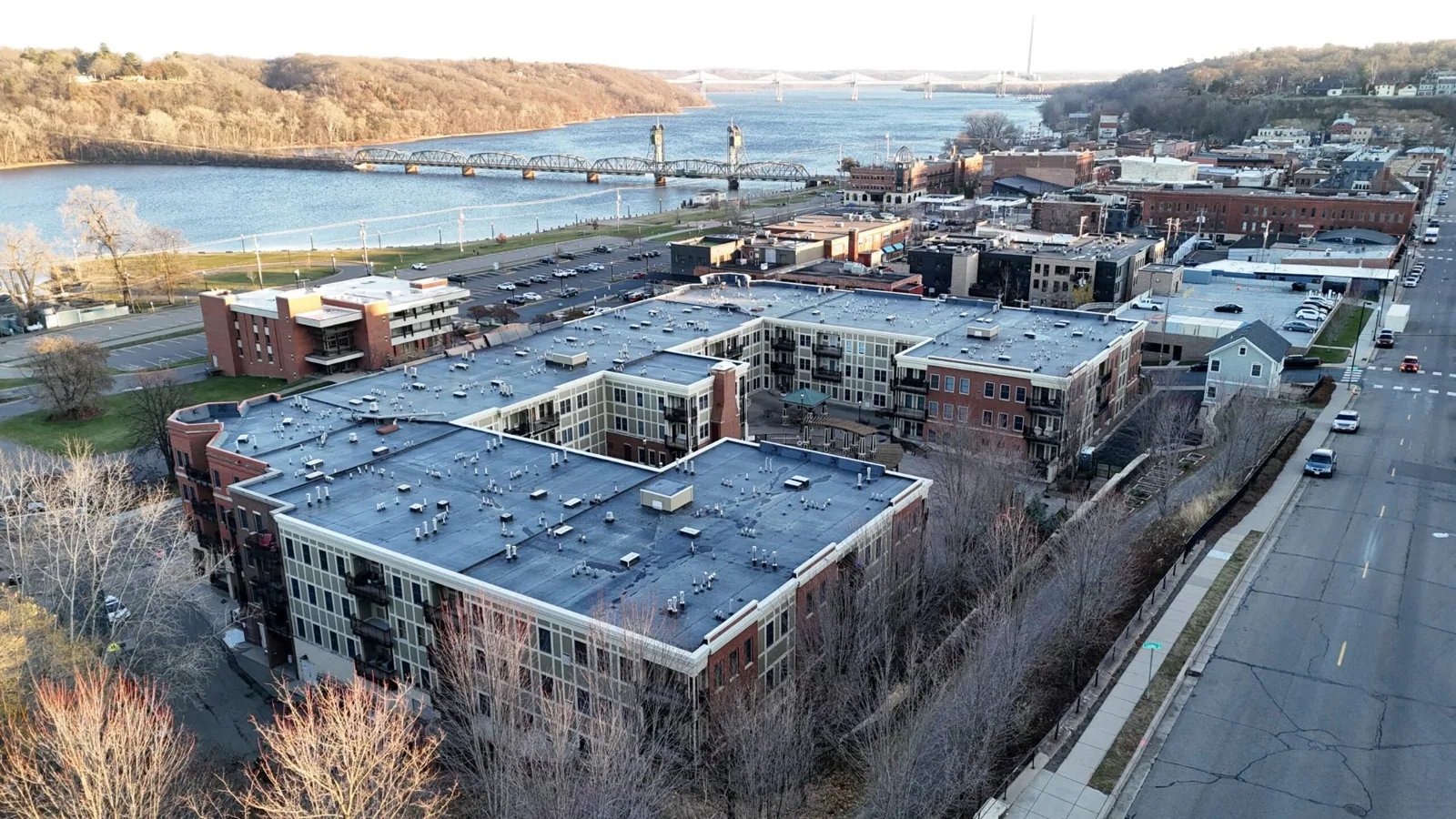
What needs review around rooftop units and intakes?
Rooftop units, exhaust fans, ventilation intakes, conduit, and piping can create multiple transitions through the roof. We inspect the curb, base flashing, nearby membrane, and supports, then identify any detail that could be affected by service work. If the clinic has a designated intake or equipment shutdown rule, its operator supplies that information before the work area is opened. Equipment should not be moved without an approved plan and the right trade coordination. Equipment curb and support service can address the roof-to-unit interface. A close photo should show the unit label if appropriate, the roof section, and the flashing condition, while avoiding patient or operational information that does not belong in the roof record. If a technician has recently altered a penetration, note the date and compare the detail with the previous inspection. A labeled roof map also helps distinguish a clinic entrance from a service door when the work team returns for a follow-up check.
How is a leak traced without overcalling the repair?
An interior symptom is one point in the investigation. Water can travel between roof layers, along a deck, or across a ceiling before it becomes visible. We record the room, ceiling grid or nearby feature, date, weather, and any reported equipment service. At roof level, we inspect seams, curbs, drains, penetrations, and prior patches around the likely path. A commercial roof inspection can map observations and testing limits. If moisture beneath the membrane would change the repair boundary, a suitable test or controlled opening may be warranted, with its location and closure documented. Columbia’s freeze-thaw winters and wet spring storms make a dated roof comparison useful; the report ties any observed change to its inspected zone and event date. The report should keep confirmed findings separate from possible causes until evidence connects them. Include the roof section label with each finding.
When can a medical-office roof be repaired in sections?
A local repair may fit a defined seam, flashing, or penetration issue when nearby insulation and attachment are sound. If leaks recur in different rooms or moisture is found across several roof zones, a broader comparison may be useful. We state what the inspection confirmed, what remains concealed, and whether further testing would affect the scope. Commercial roof repair can address a documented defect, while replacement planning may be appropriate when the assembly condition is more widespread. An office building without clinical scheduling may have different coordination needs; office-building roofing considers those occupancy questions. A hospital campus can involve different access and service areas; hospital roofing evaluates that broader setting. The estimate should name the zones included and the way each shift will leave the roof protected.
Which records help clinic staff manage roof calls?
A useful file includes a roof plan, dated photos, room or area reported, repair detail, materials, and any testing performed. It should identify who approved an access change and whether an equipment contractor altered a penetration after roofing work. The City applies its 2024 International Building, Existing Building, and Energy Conservation Code editions to commercial plan review; the project team should confirm the provisions that govern its alteration. Retain the applicable plan or review information with the closeout. Preventive roof maintenance can revisit repaired areas, drainage, and roof-access points. If a new water mark appears, the clinic team can compare its location and date with the last inspection instead of assuming that every report has the same cause. The record should also identify rooms or roof areas that were inaccessible so a later review can address that gap. It can note whether a temporary repair was intended to hold until a specific inspection, and who received that notice. Photos should preserve the direction and distance needed to find each curb, drain, or seam again. If a clinic uses multiple buildings, label the property and roof section consistently instead of filing images under a generic campus name. Those details help a facilities contact route a later service call to the right team while keeping clinical information outside the roof file.
A clinic record should identify the affected suite, the room's use, the report time, and any nearby supply or exhaust equipment. These details help separate a ceiling leak from condensation at a duct or another interior source before a roof area is opened. Document a temporary clinic-access change separately from the roof finding so facilities staff can coordinate both. Confirm any lift path, delivery, or temporary closure with the site contact. After work, label photographs by roof zone and record whether the room can be returned to normal use. A dated follow-up after rain closes the loop on the reported condition.
Commercial Roofing Questions
Can roof repair happen while a clinic is seeing patients?
Often the roof can be divided into work zones, but the clinic operator needs to identify access, noise, and room restrictions. We coordinate the sequence and daily close-in points around those requirements. A written phase map can show the active area, temporary protections, and path that will remain open, making a schedule change easier to communicate.
Should a ceiling tile be removed after a leak?
The clinic should follow its own interior procedures. For the roof investigation, we record the room and timing, then compare the observation with roof details above it. A stain does not prove the entry point.
How should rooftop equipment service be coordinated?
The person responsible for the unit confirms any shutdown, access, or intake restrictions. Roofing and equipment work should have defined boundaries and a recorded flashing inspection after the service is complete.
What if water appears in more than one patient area?
We map each report and compare dates, roof zones, weather, and nearby penetrations. The resulting scope can distinguish a shared moisture path from separate defects and identify where additional testing is useful.