
Commercial Roofing for Retail and Restaurant Chains in Columbia, MO
Dining-room leaks can become customer-service issues before the roof opening is visible. We inspect the relevant area, trace nearby drains, seams, wall transitions, penetrations, and prior patches, and record what supports a repair. Boonville’s Route B and Americana Drive area serves restaurants, lodging, fuel, and interstate travelers, while East Broadway / Route WW and The District provide separate Columbia location contexts for commercial properties. These places have different access patterns; none tells us the roof system or condition at an individual store. For a chain with multiple locations, the property address, store number, roof-zone label, and report date belong in the field record. Spring storms and summer downpours add weather exposure, but a weather event alone does not establish a loss. A clear inspection gives operations a repair boundary and tells ownership whether additional testing, temporary protection, or permanent work should follow.
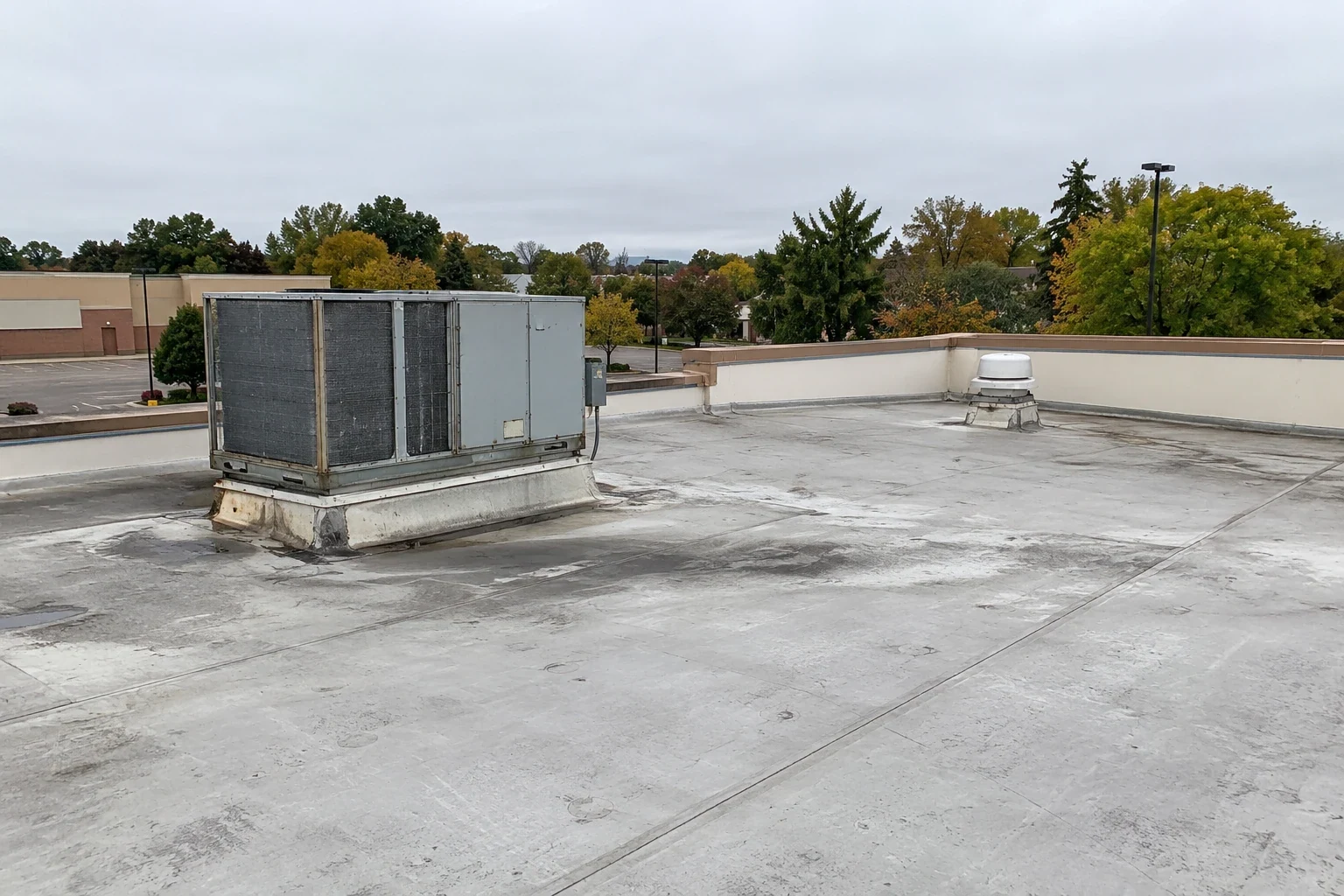
How can work fit around trading and meal periods?
Boonville’s Route B and Americana Drive commercial access area serves restaurants, hotels, fuel, and Interstate 70 travelers, while East Broadway / Route WW Corridor connects commercial areas in eastern Columbia. Boonville and East Broadway / Route WW Corridor are different operating contexts; each property contact confirms its current access and safety limits. If weather shifts a shift-end tie-in, the Diligence Notes should name the covered area and return time.
Related Roofing Work
More commercial roofing work connected to Retail and Restaurant Chains in Columbia, MO.

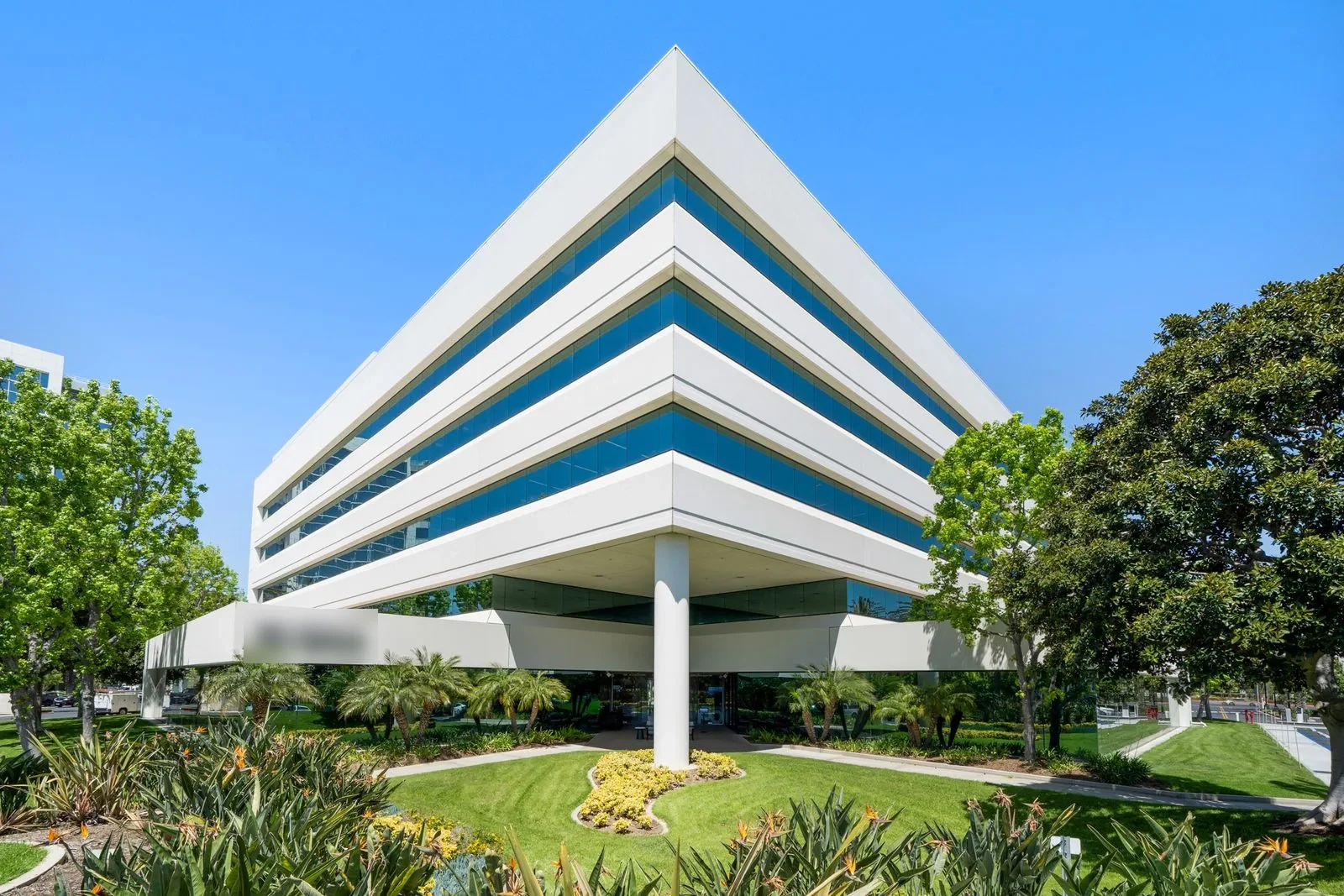
What should be checked above a kitchen or sales floor?
We inspect penetrations, exhaust curbs, drains, parapets, seams, and roof-to-wall transitions near the reported interior area. Kitchen exhaust and rooftop equipment may require particular attention to flashing and maintenance history, but the system and condition must be confirmed in the field. A ceiling mark may reflect a roof leak, plumbing, condensation, or a water path that traveled before appearing. The report should separate the observed interior symptom from the roof detail and identify any test that could clarify the cause. A roof inspection can document what is visible; penetration flashing review can focus on a curb or other roof opening. The District's commercial mix includes restaurants, shops, galleries, and concert venues. That activity says something about the variety of downtown uses, not about a particular tenant's equipment, exhaust, or roof. We record the building and detail inspected, rather than assigning a standard restaurant condition to every location.
How should corporate and local records connect?
Use a shared chain format for store ID, address, roof zone, inspection date, condition, repair boundary, and follow-up. Keep local access notes separate so a specific store's delivery route or quiet period is not copied to another location. Photos should include a roof reference point and, where useful, a matching interior view. Property manager reporting can support a handoff when a third party oversees several sites, while portfolio capital files help ownership compare building-level recommendations. Mexico’s business mix includes retail alongside manufacturing, logistics, healthcare, and agribusiness, while The District includes downtown shops and restaurants. Those differences make a property-level record essential: identify the store under review rather than transfer one location’s condition to another. The note should state whether the visit was visual, whether testing occurred, and which details were not reached. That keeps a chain dashboard useful without making one store's condition stand in for the rest. For example, a manager can filter by recurring water reports while still opening the property record that shows the exact curb, seam, or drain inspected. Store-level records should also capture whether a temporary cover remains in place and who is responsible for the return visit. Corporate staff can compare repeated findings across locations, but the cause and repair scope must be established at each building. A chain standard can make the reporting consistent; it cannot make different roof assemblies interchangeable.
A leak near a kitchen needs a careful look at exhaust curbs, grease-related maintenance, nearby seams, and the path water may travel before reaching the ceiling. A sales-floor report may point to a different roof zone. We preserve the room, date, and operating conditions, then compare them with roof details rather than assigning the same cause to every store report.
When should a location move from repair to replacement review?
An isolated puncture, open seam, or failed curb may support a targeted repair when surrounding material is sound. Recurring leaks across separate zones, extensive moisture, or repeated work at the same transition can justify a broader comparison. We define the boundary and what remains outside it. A repair scope should say which store area is included and what material will tie in. A replacement proposal should show removal depth, new assembly, drainage, curb details, protection below, and close-in plan. The permit and design documents establish the building and energy-code requirements for a commercial alteration in Columbia. Storm-related roof work should be based on observed conditions and dated photographs. A chain can then compare an emergency response with permanent work while keeping the customer-facing schedule, inventory protection, and approved scope visible in the same property file. If a property is leased, identify who can authorize testing and who receives the closeout photos. If a roof section is excluded because of neighboring tenant space or access limits, name it rather than implying the whole store was covered. That line between observation and authorization matters when a later shift reports another stain or when a capital team compares the current scope with a prior repair.
For a multi-location program, maintain a separate asset record for every address and distinguish corporate standards from property-specific access rules. A standard repair detail can guide the review, but the installed system and field condition still control material compatibility. The closeout packet should name the site, completed area, photographs, and any item left for the next visit.
The District in downtown Columbia spans 50 square blocks and contains a dense mix of commercial and public-facing properties. A retail or restaurant roof in an active trade area needs a staging plan that protects customer routes, deliveries, kitchen exhaust, and the areas used after closing. Map the roof section to the sales floor, dining area, storage, or back-of-house space below, then coordinate noisy work and equipment access with the local manager. If the chain has several locations, use the same condition fields for comparison but retain separate photographs and drainage maps. A common reporting format makes it easier to see which site needs immediate repair; it should not erase differences in system, prior work, or interior impact. The replacement decision remains tied to the documented assembly at each location. During a roof phase, identify which entrance sits below the open work area, whether deliveries continue, and how protection will be checked before customers return.
Commercial Roofing Questions
Can the store stay open while the roof is repaired?
The local operator confirms entrances, service hours, delivery windows, and any area that must remain accessible. We define roof zones and protection below, then document the daily work limit and tie-in.
What should a store manager include with a roof call?
Send the address or store ID, interior location, time observed, photos if available, and access contact. Those details let us inspect the relevant roof section and record any unanswered question.
Does a leak above a kitchen always come from the roof?
No. We compare the report with roof penetrations, drains, seams, and transitions, and keep plumbing or condensation possibilities separate until the evidence supports a cause.
How can a chain avoid repeating the same inspection at every site?
Use a shared record format but retain the findings for each address. The assembly, access rules, and repair history must be confirmed at each location before a scope is assigned.