
Commercial Skylight and Penetration Flashing in Columbia, MO
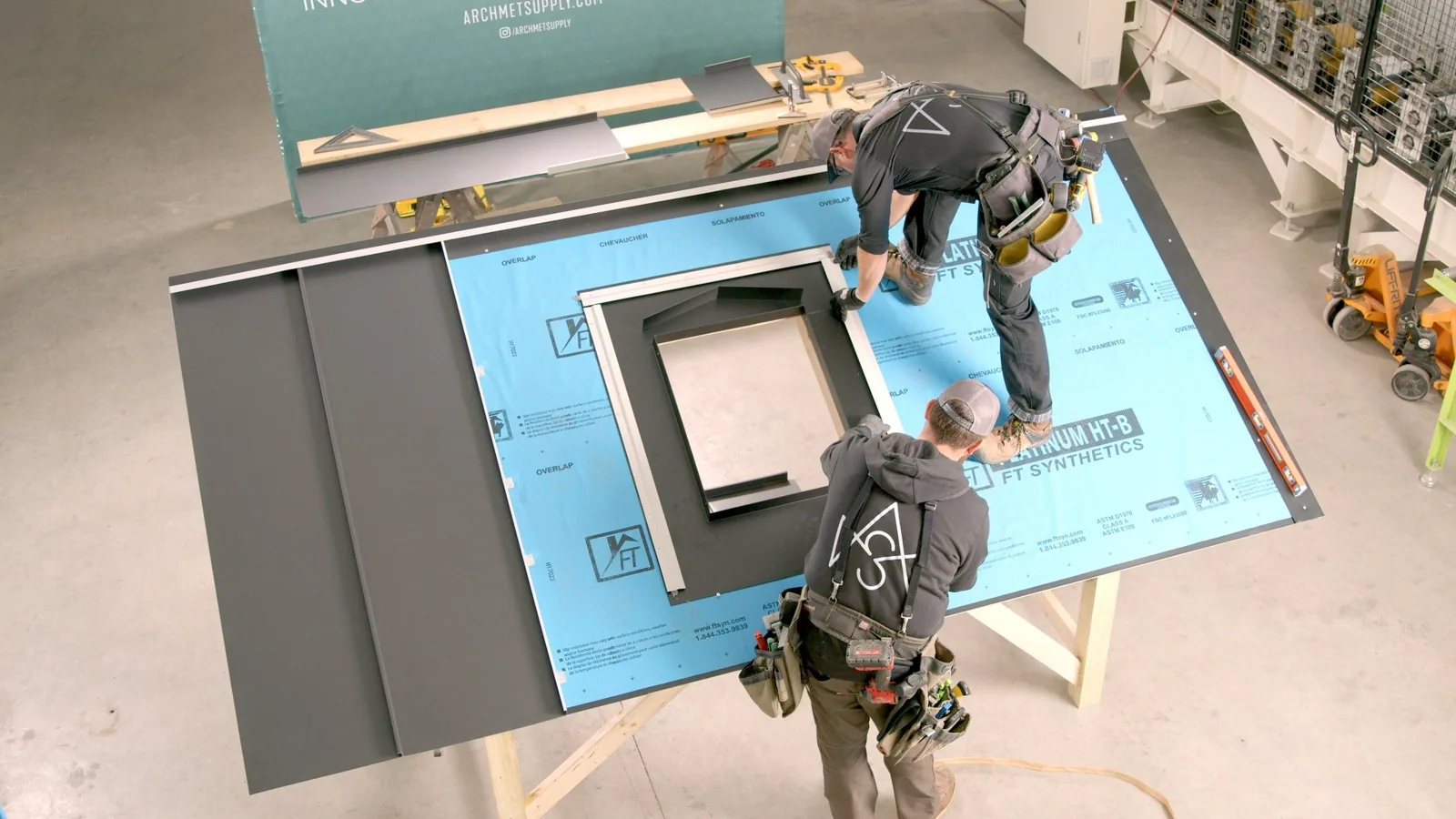
A water stain beneath a skylight can begin at the curb, the glazing frame, a nearby seam, or another roof opening. The location of the stain is a clue, not a diagnosis. We inspect the full transition from roof membrane to curb and frame, then compare it with the interior report and any past repairs. That review includes the curb height and condition, corner details, fasteners, sealant, counterflashing, glazing, and the surrounding roof field. Columbia's wet spring and localized summer downpours can test these transitions, while hail and wind can affect exposed parts of a skylight assembly. These regional conditions help explain why inspection matters; they do not establish the cause at one building. North Village Arts District is one named Columbia district with a mix of businesses and arts uses, and the Route Z Commercial Corridor is another identifiable place in the market. Neither name tells us a building's skylight count or access rules. The assessment records the actual roof opening, water path, and repair boundary so the owner can distinguish a flashing correction from a glazing or curb issue.
How do you trace a leak around an opening?
We begin by documenting where water appears inside and checking whether the stain aligns with the skylight or could have traveled along the deck. On the roof, we look for open curb corners, lifted membrane, deteriorated sealant, loose frame fasteners, cracked glazing, and signs that a past patch has separated. Water can enter at one joint and travel before appearing in the room, so a visual match is not enough. We photograph a wide view and the specific transition, then note whether the roof was wet, recently repaired, or obstructed during the inspection. A controlled water test may be considered when it can isolate a suspected path without creating unnecessary exposure. We also compare nearby penetrations, wall transitions, and membrane seams, since a leak attributed to a skylight can originate at an adjacent opening. If the interior stain is old or dry at inspection, that timing is recorded rather than treated as evidence of a current leak. Leak repair investigation can pair roof observations with the reported interior location. For concealed wet material, moisture survey work may help define where additional examination is warranted. If there are multiple openings, we label them individually rather than treating every curb as a single condition.
Related Roofing Work
More commercial roofing work connected to Commercial Skylight and Penetration Flashing in Columbia, MO.
When can flashing be repaired, and when should a unit change?
A flashing repair may be appropriate when the skylight and curb remain stable, the surrounding roof is serviceable, and the defect is limited to a compatible transition. The work can involve removing failed sealant, preparing the surfaces, rebuilding corners, restoring membrane flashing, and replacing damaged counterflashing or fasteners. Sealant alone is not a durable answer when a joint has movement or the membrane is detached. A cracked dome, failed glazing assembly, deteriorated curb, or repeated repairs may call for a different scope. We document those observations separately so the owner can compare repair with replacement. The proposal should identify whether interior finish work, glazing, curb reconstruction, and surrounding roof membrane are included or excluded. It should also distinguish the skylight assembly from the roofing manufacturer's flashing detail, because these components may have different service needs and warranties. A commercial roof repair can address the membrane transition, while replacement planning may include rebuilding curbs where the assembly is near its service limit. A recover project must also account for added height and the resulting curb detail; recover review should not assume an existing skylight curb will remain suitable.
How is work around skylights controlled?
Before mobilization, we confirm roof access, fall protection, interior protection, staging, weather, and whether the opening requires temporary cover during the repair. The work area should remain defined so tools and removed material do not damage glazing or fall through an opening. If the skylight is translucent or cannot support foot traffic, it must be treated as a hazard and protected from loading. The crew records when the opening is exposed and how it is secured at the end of each shift. Columbia's adopted 2024 building-code package includes existing-building requirements; changes to an opening, curb, or roof assembly may need project-specific review before work proceeds. The property contact should confirm building access and any interior notification needs. Occupied-building work planning can coordinate the roof sequence with access and separation expectations, but the building's operating plan is confirmed directly with its contact. For commercial properties in the Downtown Columbia district, the address and site-specific arrangement matter more than a generalized neighborhood assumption.
What should a skylight repair record show?
Closeout should show the curb, corners, flashing transition, frame, and surrounding membrane after the work. It should record materials used, any testing completed, and the limits of the repaired area. If the crew finds damaged decking or wet insulation, the change should be described and documented before covering it. A repair photograph should identify the skylight by roof area or number so the next inspection can compare the same unit. The owner should also know whether glazing, interior finishes, or other openings were outside the roofing scope. Maintenance visits can include periodic checks of the same transitions after severe weather or service work. A site with multiple roof additions benefits from a simple opening register that lists each curb and its condition, rather than a generic note that says only “skylights checked.” A dated condition record can preserve those labels and photos. This history helps identify repeated movement or sealant failure without assuming that a prior repair caused the next leak. The closeout should mark the final test conditions and identify any area that could not be reached. That gives the property contact a clear record of completed work and a practical list of remaining questions for future inspection.
Record the skylight or penetration identifier, curb or frame condition, flashing material, tie-in to the surrounding roof, and any interior report supplied by the owner. A close photograph of the repaired detail should be paired with a wider image showing its position in the roof zone. Note if glazing, fasteners, or frame movement requires a separate trade review. Where a unit must be replaced, the scope should state how the opening will be protected during removal and how the new curb or frame will connect to the roof assembly. Columbia's wet spring makes a defined close-in plan useful when weather can interrupt work at an open curb.
Commercial Roofing Questions
Can you stop a skylight leak by adding more sealant?
Sometimes sealant is part of a repair, but it cannot correct a loose curb, failed membrane transition, or damaged glazing by itself. We inspect the connected details and state what must be rebuilt or replaced.
Does a stain directly below a skylight prove the skylight is leaking?
No. Water can travel along the roof deck or enter at another nearby detail before appearing indoors. We compare the reported location with roof conditions and document the path that can be verified.
Can a skylight stay in place during a roof recover?
That depends on curb height, condition, added assembly thickness, and the detail needed to maintain a watertight transition. The assessment should identify whether the curb can be adapted or needs reconstruction.
Do you replace the interior ceiling after a roof repair?
Interior finishes are a separate scope unless specifically included. The roofing record describes the roof-side correction and identifies any interior evaluation or restoration that remains for the owner to coordinate.