
Commercial Roofing for Hospitality Groups in Columbia, MO
Hotels, event venues, and restaurants in Columbia’s downtown District operate among galleries, bars, and performance spaces across a 50-square-block area. Boonville’s Route B and Americana Drive area serves hotels, restaurants, gas stations, an RV park, and Interstate 70 travelers. The District and Boonville show different hospitality settings, not a particular hotel’s roof system or operating plan. Each asset needs its own access contact, guest-use schedule, roof-zone map, and work history. Spring storms and summer downpours add seasonal exposure, while the field record shows the actual condition at the building. We connect that evidence to the repair limit and note how staff can protect occupied areas if work proceeds.
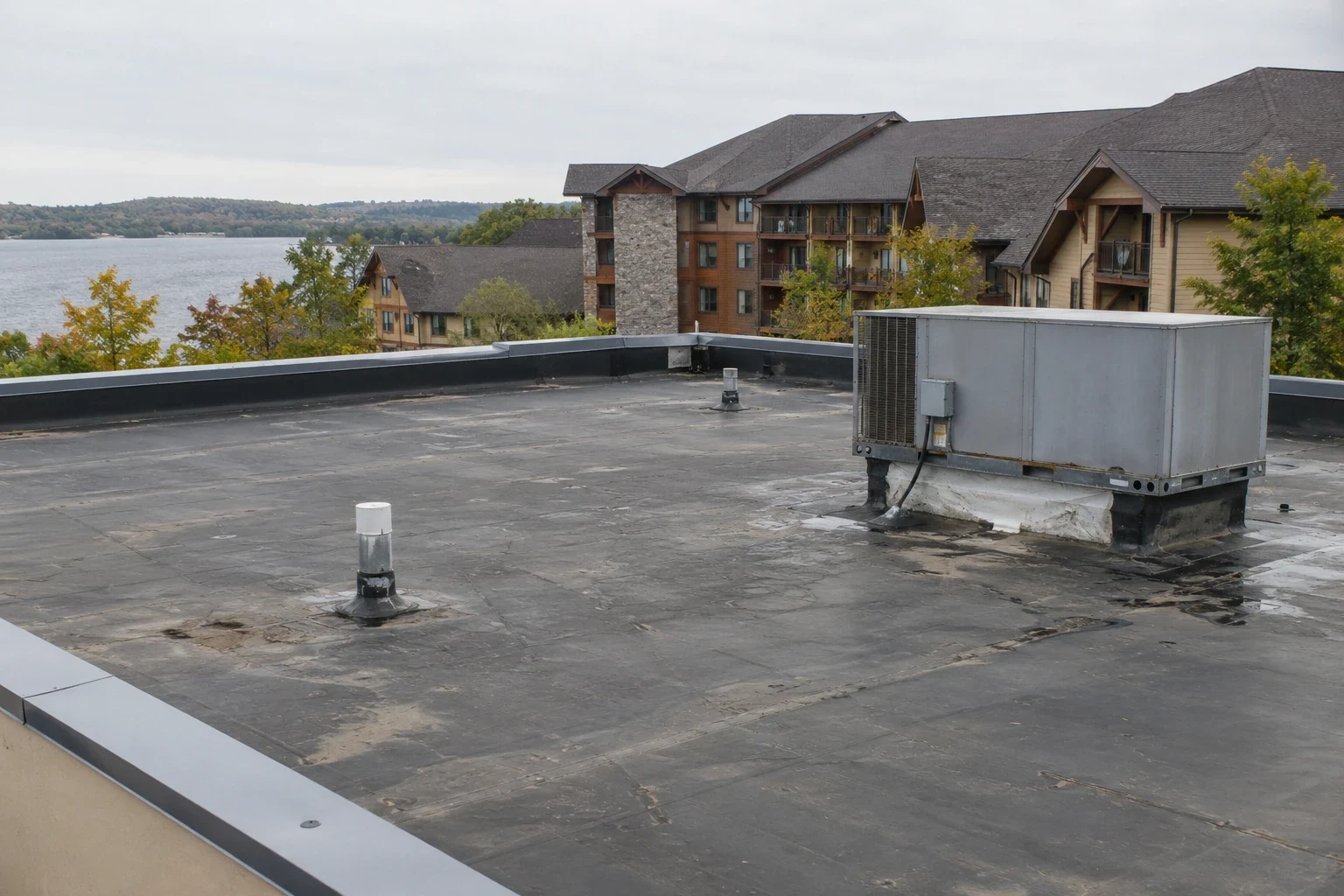
How can work limit disruption to guests and events?
The property contact identifies check-in peaks, event calendars, service entrances, loading, quiet periods, and spaces that cannot be closed. We use those requirements to separate roof zones and plan material handling, protection, and shift-end tie-ins. An event venue may have a different schedule from a guest-room wing, so the work sequence needs the site's current calendar. Occupied-building sequencing can set zones and communicate daily access changes. The District's downtown activity includes concert venues and public events, but a particular property manager still confirms the building's schedule. The District in Columbia offers a local reference for a mixed-use setting; it does not supply a hotel's access plan. We record which roof area is being worked and whether guests or staff below need protection before returning the space to use. The I-70 Business Loop corridor runs from Stadium Boulevard to Eastland Circle and includes commercial and institutional activity. That Columbia corridor is another market reference, not evidence of a hotel location or an access route. The property contact confirms the actual work entrance, lift path, and protected rooms. If a crew divides a project around an event weekend, each phase should end with a documented dry-in condition and a named return date so the next shift does not inherit an unclear roof edge.
Related Roofing Work
More commercial roofing work connected to Hospitality Groups in Columbia, MO.
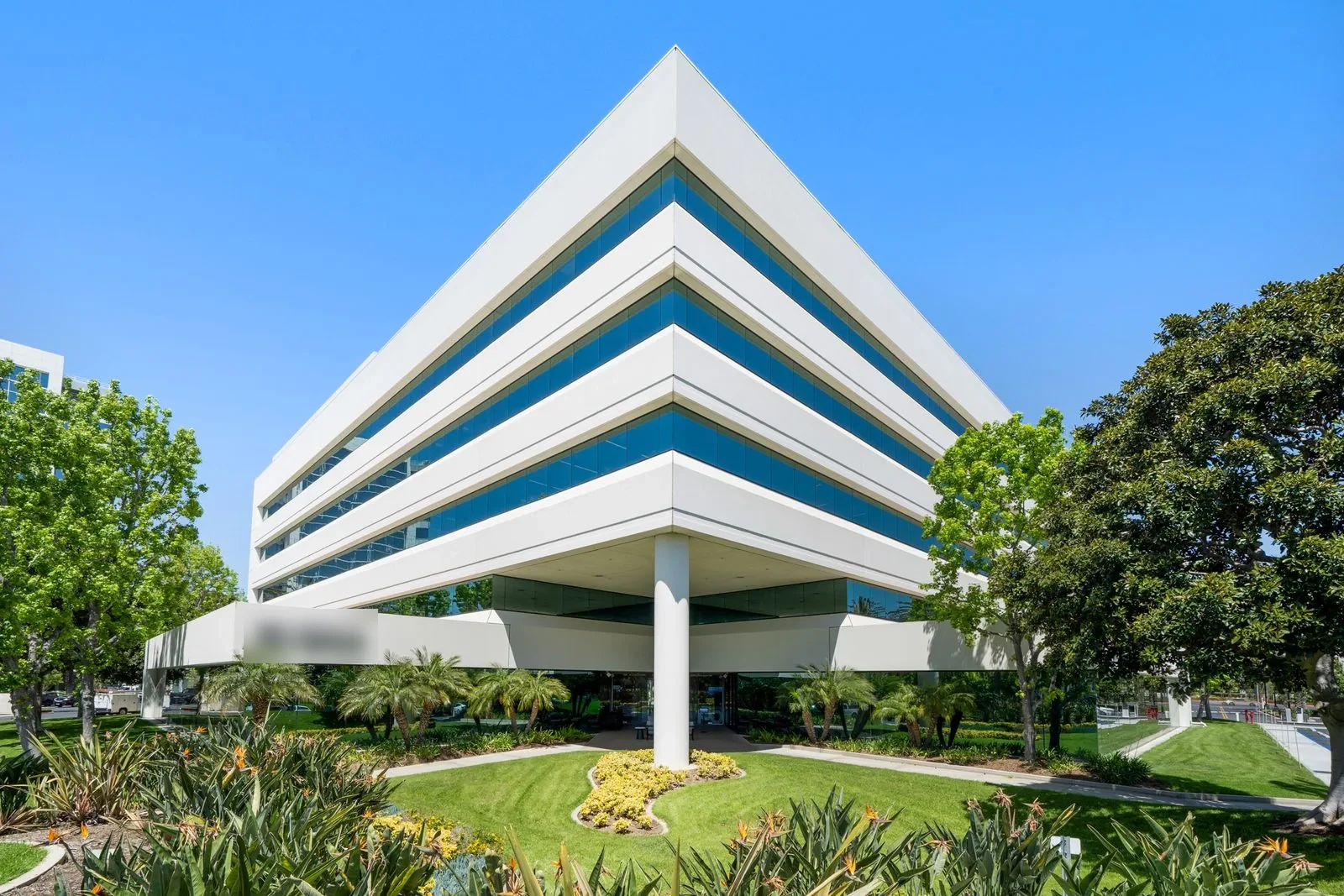
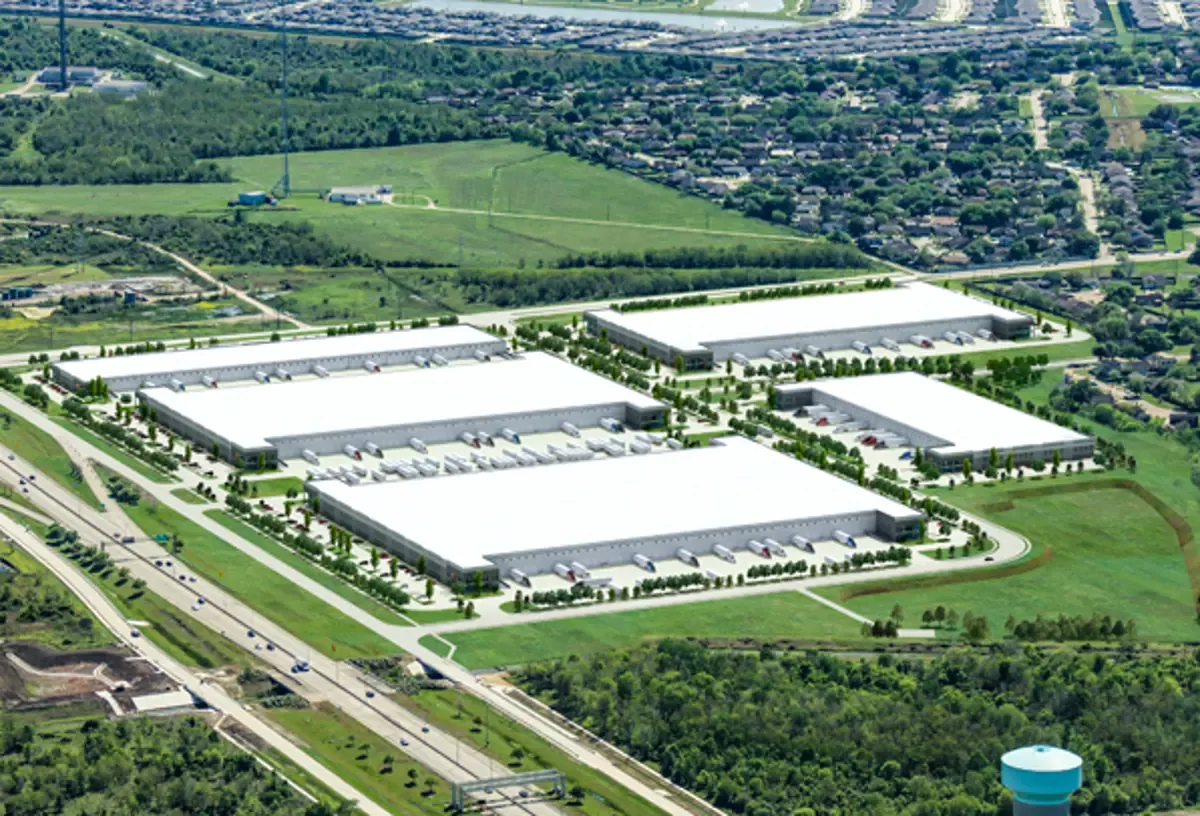
What should a guest-area leak inspection establish?
We match the room, ceiling point, and report time with accessible roof fields, seams, parapets, drains, curbs, and transitions. A stain can remain after the source has stopped, and water may move through the assembly before appearing inside. The report separates an interior observation from a roof condition and names any test needed to confirm a path. Photos identify the roof zone, view direction, and detail, with access limits recorded. A roof inspection can establish the visible condition; moisture review may guide additional work if it can change the scope. Mexico’s business mix includes retail and service firms along with other commercial uses, while the District offers a broad downtown venue and restaurant setting. Different building types require separate asset records. The hospitality operator should rely on the exact property identifier rather than use another market area as a condition proxy.
When should a hotel compare repair and replacement?
An isolated opening at a curb, seam, or drain can support a targeted repair when nearby materials remain secure. Repeated leaks in different rooms, moisture evidence across roof zones, or recurring failures after prior patches may support a broader evaluation. We state the repair boundary, material compatibility, and any concealed condition that could alter the scope. A focused repair should identify the affected area and tie-in. A replacement alternative should describe removal, insulation, new assembly, flashing, drainage, protection, and work sequencing around guest use. For alterations under Columbia commercial review, the permit documents determine which adopted building and energy provisions govern the work. Replacement planning can be compared against the same condition map. A manager should keep temporary protection distinct from permanent construction and note any room or roof area left outside the approved work. The decision also depends on the operating window and the ability to protect occupied space during removal. A phased alternative may cost more time but reduce the number of rooms or public areas affected at once; that tradeoff belongs in the schedule assumptions, not in an unsupported promise. Before approval, confirm who can authorize an added repair if the crew finds wet insulation or a deck concern. Keep that approval with the photo record and identify the exact roof zone where the scope changed. These steps make the closeout meaningful when the manager or ownership group changes.
A guest report should capture the room or public area, time noticed, recent weather, and whether the symptom changed after the room was taken out of service. We compare that report with the roof above and adjacent transitions, while the hotel contact coordinates access and interior protection. The ceiling location guides the inspection but does not establish the opening.
What should remain in the property's roof history?
Columbia's spring is the wettest season and has greater likelihood of large hail and tornado-producing storms. Summer storms can bring localized heavy rain, and later-season damaging winds add another exposure. Those patterns help determine when a follow-up may be useful, but damage must be tied to physical findings at the property. We provide dated photographs, the completed work area, materials and details addressed, and any remaining recommendation. If a temporary cover was installed, record its inspection date and removal or replacement plan. Storm-related repair should use the same building-specific evidence. Retail and restaurant groups may have chain-level reporting needs, and property managers may oversee several addresses, yet a hospitality record should still identify each hotel and roof section. That file lets the next facilities contact connect a guest report to the relevant repair history.
For a repair over guest rooms or event space, the daily plan should identify staging, noise-sensitive periods, protected routes, and the time a room can return to normal use. Keep temporary protection separate from permanent correction. The closeout record names the repaired zone, photographs the finished tie-in, and states whether a return check remains.
The District in downtown Columbia includes shops, restaurants, galleries, bars, and concert venues across a compact area. For a hotel or event property, that kind of operating environment makes arrival paths and scheduled activity relevant to roof staging, but the roof plan must still reflect the actual building. Keep a record of guest-facing entrances, loading access, rooftop equipment, drains, and any interior space protected during a repair. A dated observation should state which area was open, what was secured before crews left, and whether the next check depends on a weather event. If a property changes event layouts or service routes, update the access notes instead of carrying an old work plan forward. That distinction lets operations prepare guests and staff while keeping roof findings specific to the building.
Commercial Roofing Questions
How can hotel roof repairs be sequenced around arrivals and events?
The hotel contact supplies check-in periods, event dates, service entrances, and restricted areas. We plan roof zones and below-roof protection around those limits, then document any schedule adjustment.
What should staff record when a guest reports a leak?
Record the room or public area, date, ceiling location, and whether the condition is active. We compare that report with roof details and preserve any path that remains uncertain.
Does a storm warning establish a roof claim?
It describes regional exposure but does not prove damage at a hotel. We inspect the property, photograph physical conditions, and distinguish temporary stabilization from a permanent repair scope.
How can ownership compare multiple hospitality properties?
Use the same fields for building ID, inspection date, roof zone, condition, repair boundary, and next check. Keep each site's photos and access limits separate so findings do not transfer between assets.