
Government Building Roofing in Columbia, MO
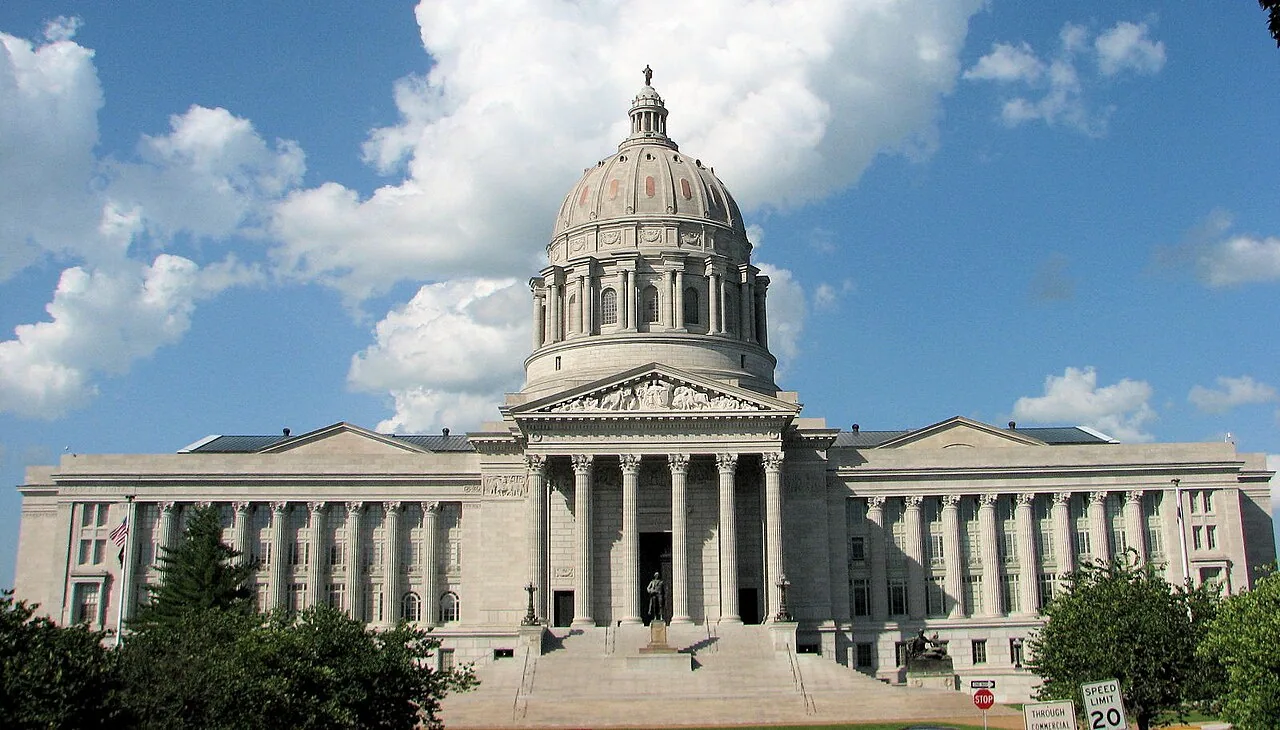
A facilities inventory can name a building, but it cannot show whether the roof is dry today. We start with the reported room or roof area, inspect the associated details, and record what remains concealed or inaccessible. Columbia’s current commercial review references its 2024 building, existing-building, and energy provisions. The applicable sections depend on the alteration listed in the permit documents. Local commercial settings vary: Rocheport is a Boone County municipality west of Columbia, while Broadway Business Park includes office and service uses. Rocheport and the Broadway employment area are distinct local settings, not evidence about any public building’s roof. For a city, county, or public agency facility, we inspect the named structure and document the repair boundary before recommending work.
How should work protect public access?
A service counter, meeting room, public entrance, or staff parking area may remain in use while roof work is underway. The facility contact identifies open hours, required entrances, loading routes, and any rooms that must stay available. We can map separate roof zones, material staging, debris control, and a daily close-in point, then update the Diligence Notes if weather changes the sequence. No public route should be assumed from a site plan alone; the current building contact confirms it before equipment is placed. Occupied-building roof phasing can set a practical sequence for an active property. If the scope affects access below, the work plan should state the affected area and the period when it is restricted. We document completed work separately from any phase deferred to another date. That gives facilities staff a verifiable record for updates and helps prevent a closed-out roof zone from being confused with the entire building.
Related Roofing Work
More commercial roofing work connected to Government Building Roofing in Columbia, MO.
What belongs in a public building inspection?
Each observation needs a roof location, date, photograph, and description of the condition found. We check seams, edges, drains, wall transitions, curbs, and previous repairs, then distinguish visible wear from a condition supported by testing. A water report in one office does not establish a leak across the floor above it; the roof path needs to be traced. A written roof inspection can identify areas examined, limitations, and any follow-up test that could change the scope. A condition file should distinguish an observation from a recommendation and an approved work order. For a multi-building agency, use a separate roof identifier for each structure rather than assigning all photographs to a department name. If a crew cannot reach an area, record the reason and the next access step. That is more useful to a later reviewer than an unqualified statement that the building is sound.
Which Columbia conditions belong in the maintenance file?
Winter brings recurring freeze and thaw cycles and seasonal snowfall; spring is the wettest part of the year and can bring large hail and tornado-producing storms. Summer heat and localized downpours add their own checks, while damaging winds become a more prominent severe-weather threat later in the season. Those patterns justify dated observations, not assumptions about a particular roof. We photograph displaced metal, open laps, punctures, moisture evidence, and drainage conditions when they are present. A storm inspection can compare current observations with an earlier record, and wind-damage repair should be scoped only where the building shows a supported condition. The I-70 Business Loop study covers the segment from Stadium Boulevard to Eastland Circle and records established commercial and institutional activity. The Business Loop corridor helps describe the city’s commercial setting, but its activity does not establish a roof condition at an individual public facility. Our report stays with the building inspected.
When should a repair be compared with replacement?
A single open seam or damaged curb may call for a defined repair when the adjacent assembly remains dry and secure. Repeated leaks, moisture across separate areas, or widespread deterioration can support a broader comparison. We mark the repair boundary, identify any concealed deck or insulation assumptions, and keep alternates separate. A targeted commercial repair addresses a verified defect; a replacement or recover proposal should explain the assembly, transitions, protection, and project-specific limitations. A school has different occupancy and campus considerations, while a church may have sanctuary transitions; school roof scopes and worship-building roof details reflect those building profiles. If work alters the roof assembly, the owner should confirm which parts of Columbia’s 2024 code package apply to the planned project. An estimate should name included materials, removal depth, flashing interfaces, disposal, and what happens if conditions differ after the roof is opened.
How can the file support later budget review?
Preserve the original roof plan, inspection photos, marked repair areas, material submittals, work authorizations, closeout images, and any remaining recommendation. Label the building and elevation on each record, then link the work date to the person who received the report. A roof capital plan can organize conditions by urgency and scope, while condition reporting can preserve the observations that support a decision. The file should not turn a possible repair into completed work or a limited inspection into a building-wide clearance. Keep separate entries for repair proposals, temporary protection, testing, and approved construction. When the scope changes, preserve the original estimate beside the revision and mark what new observation prompted it. A dated closeout image should show the completed boundary and any remaining exposure. Add a note when a ceiling report or maintenance ticket remains unresolved so a later inspection can compare the same location. When a later leak or storm report arrives, staff can compare its room and date against the prior roof record and determine whether another inspection is needed. West Broadway includes commercial lots with professional offices and service businesses. That local context makes the corridor a recognizable employment area, but an agency should still retain its own asset labels and building-specific roof history.
Use stable building names and roof-zone labels so findings can be compared across annual inspections. The record should distinguish a safety or water-control item from planned maintenance, investigation, or a replacement alternative. Keep photos, prior work orders, access limits, and the date of the next review together. Columbia's 2024 building-code package is relevant when a project scope requires plan review, but the field condition still determines which roof work should be considered. A clear estimate can identify the permitted scope, assumptions, and any separate investigation needed before the agency commits to a wider project.
Before a scheduled inspection, the facility contact can gather roof plans, prior repair invoices, warranty records, and any open maintenance tickets. A labeled plan helps distinguish separate wings, additions, and roof elevations. If drawings conflict with field conditions, document the difference and confirm which areas the public owner wants included before pricing a larger scope.
Commercial Roofing Questions
Can roof work proceed while a public office remains open?
Facilities staff identify the entrances, rooms, and hours that must remain available. We plan staging and roof zones around those limits, then document the area protected and the next close-in point for each workday.
What should be included in a maintenance request?
Include the building, room or roof zone, date, and visible condition. We use the report to inspect relevant transitions and drainage, then note any area that could not be accessed or needs testing.
How can an agency compare several roof proposals?
A useful comparison separates repair, recover, and replacement scopes, and states removal depth, materials, access assumptions, and concealed-condition handling. The photo record should identify which roof areas each option includes.
Does a storm notice establish a claim for roof damage?
A regional storm report identifies weather exposure, not the condition of a specific building. We document physical evidence at the property and distinguish fresh impact or movement from earlier wear when the observations allow it.